In a move that has caught the attention of policy watchers and everyday Nigerians alike, the Nigeria Customs Service (NCS) has demonstrated renewed commitment to institutional reform by unveiling a modern education facility inside the Kirikiri Medium Security Custodial Centre in Lagos and launching a digital platform aimed at dramatically improving cargo clearance at the nation’s ports. The twin initiatives are being widely seen as emblematic of an evolving Customs leadership that balances enforcement with human development and economic modernisation.
Table of Contents
Nigeria Customs is Transforming Lives Behind Bars
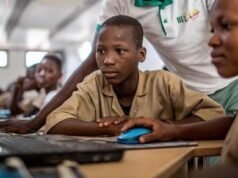
At the heart of this story is the inauguration of a contemporary educational complex at Kirikiri Prison. This project, driven by the NCS’s Corporate Social Responsibility agenda, provides inmates with access to structured learning opportunities in a setting many would never have imagined. The facility includes four air-conditioned classrooms, a well-stocked library and an ICT centre equipped with modern technology. Water needs are met on-site through a dedicated borehole.
The Comptroller-General of Customs, Bashir Adewale Adeniyi, highlighted the importance of the project during the commissioning ceremony. According to him, this investment represents more than bricks and mortar; it is about hope, rehabilitation and reduced rates of re-offending once individuals return to society. Education, he reminded attendees, remains one of the most powerful tools for transforming lives that have been constrained by incarceration.
Leaders from the Lagos State Correctional Service also attended the event. They described the Customs intervention as a significant milestone in correctional reform. For them, structured education is not optional; it is central to successful rehabilitation and reintegration, equipping people with knowledge and skills that can help them contribute meaningfully to family and community life.
Observers and stakeholders present at the ceremony praised the humane and forward-looking gesture. It stands in contrast to narratives that focus solely on punishment, instead placing emphasis on preparing individuals for a productive future. This focus aligns with modern correctional practices that seek to reduce repeat offences and enhance public safety through education.
The impact of this educational complex is likely to extend beyond the prison walls. It sends a message about the role that government agencies can play when they prioritise human capital development and social wellbeing. Families of inmates and civil society organisations have expressed optimism, suggesting that such interventions could be replicated across other custodial centres if the success of this pilot is closely studied.
Rapid Port Clearance with Digital Innovation
While the educational complex demonstrates NCS’s social impact, the launch of the One-Stop-Shop (OSS) digital platform in Lagos showcases its ambition to transform Nigeria’s trade environment. Cargo clearance has been a persistent headache for importers and logistics operators, often stretching into weeks and adding unnecessary cost to doing business. The OSS is designed to cut these delays drastically by centralising the process in a coordinated electronic system.
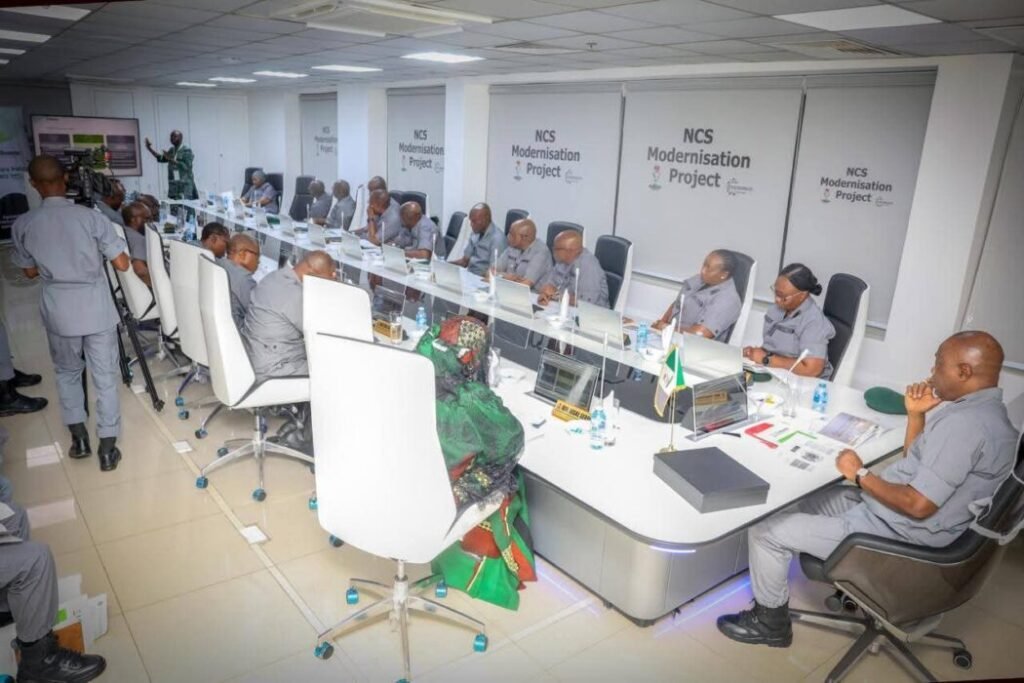
At the official launch, Mr. Adewale Adeniyi explained that this new platform represents a deliberate shift from multiple fragmented checkpoints to a unified digital approach that consolidates risk management and other interventions in one interface. He noted that the move is aligned with broader reforms under the federal government’s economic agenda and international best practices expected by global trade partners.
A key goal of OSS is to reduce average cargo clearance time from more than 20 days to about 48 hours. If properly implemented, this will not only ease the flow of goods but also lower compliance costs for traders, stimulate competitiveness and strengthen transparency at the ports.
The Deputy Comptroller-General in charge of Tariff and Trade reinforced this point by outlining how the platform will streamline operations, eliminate unnecessary physical processes and support data-driven decision-making. This could also reduce opportunities for corruption and inconsistencies that have long plagued cross-border trade in Nigeria.
Beyond the immediate speed gains, stakeholders predict positive ripple effects for the economy. Faster clearance times could make Nigeria more attractive to foreign investors and boost regional trade. Efficient ports are seen as foundational to growth in sectors such as manufacturing, agriculture and export-oriented enterprises.
A Dual Strategy for National Growth
These two initiatives by the Nigeria Customs Service, though different in scope, share a common thread: a strategic vision that connects human development with economic efficiency. By investing in education for inmates, the NCS is addressing social issues that affect public safety and community wellbeing. At the same time, digital reforms like the OSS signal a mature response to economic challenges hampering trade competitiveness.
Analysts suggest that such a dual strategy can strengthen institutional trust. Citizens and business owners often view government agencies through the narrow lens of enforcement or bureaucracy. But when an organisation like Customs broadens its mandate to include social development and technology-driven efficiency, it enhances its legitimacy and relevance in the eyes of the public.
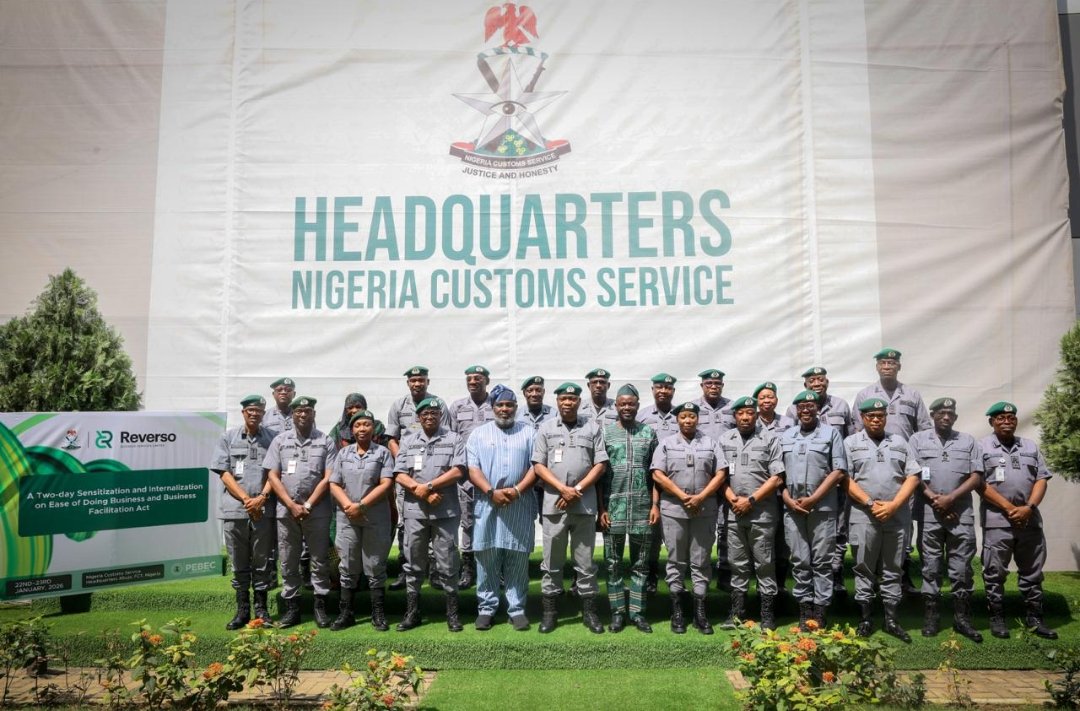
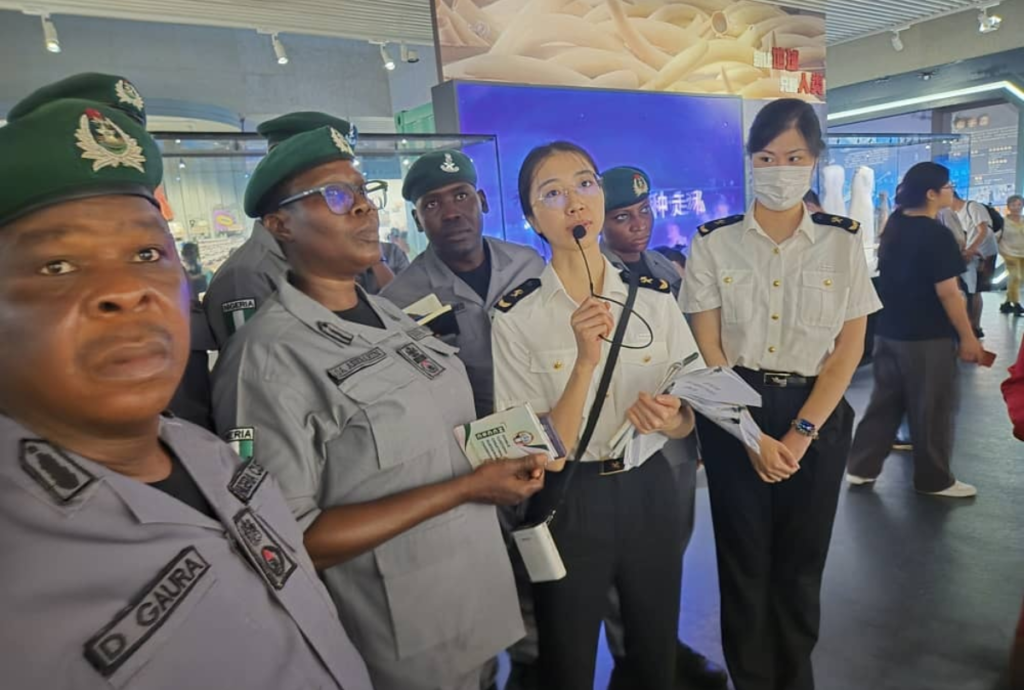
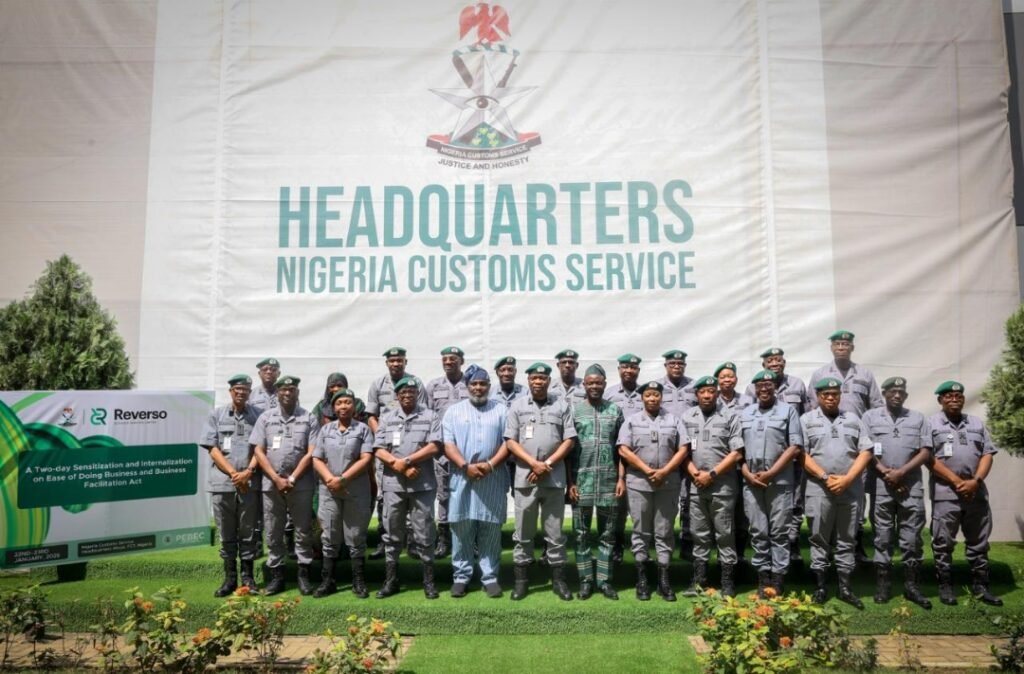
Nigeria’s Customs leadership appears intent on moving beyond traditional roles. In recent months, the service has participated in international reform discussions, reinforced leadership training for senior officers and engaged in programmes that foster cooperation with other customs administrations. These efforts, though not widely publicised, further indicate a comprehensive approach to modernisation.
Looking Ahead
As the OSS platform rolls out and the education complex begins operations, the real test will be implementation and impact. Monitoring and evaluation mechanisms, coupled with transparent reporting, will be essential to measure success. Civil society organisations, trade bodies and correctional experts are already signalling readiness to engage with the NCS to ensure these reforms deliver on their promise.
For now, many Nigerians are watching closely. Education in prison and digital trade reform may seem like unrelated projects, but together they capture a broader narrative of progress. They reflect a shift toward policies that improve lives, support economic activity and recognise that security includes stability, opportunity and dignity for all.
If sustained, this approach could change how citizens interact with government institutions and how Nigeria positions itself in the global economic landscape. The story of the Kirikiri education complex and the OSS platform is not just about Customs; it is about the potential for public institutions to be agents of transformation in a modern state.
Join Our Social Media Channels:
WhatsApp: NaijaEyes
Facebook: NaijaEyes
Twitter: NaijaEyes
Instagram: NaijaEyes
TikTok: NaijaEyes
READ THE LATEST EDUCATION NEWS