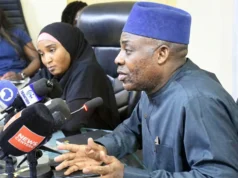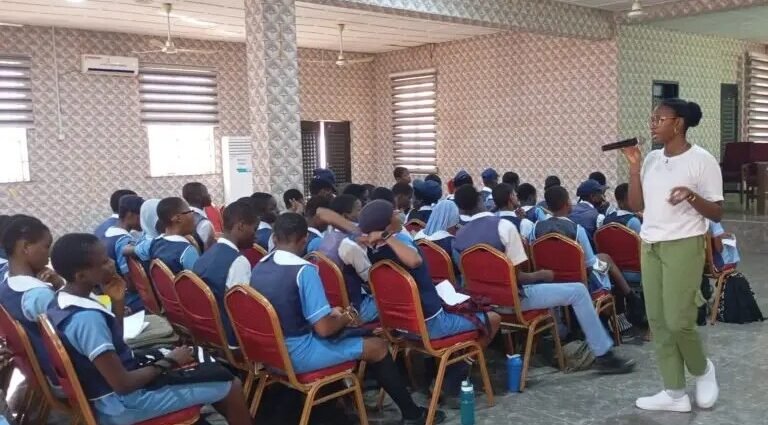
In a passionate address at the International Day of Education celebration in Abuja, Nigeria’s Minister of Education, Tunji Alausa, made a compelling case for why young Nigerians must be at the centre of transforming the nation’s education system into one that is inclusive, competitive and future-ready. The message was clear: without the energy, creativity and ideas of young people, Nigeria’s education reforms risk remaining incomplete.
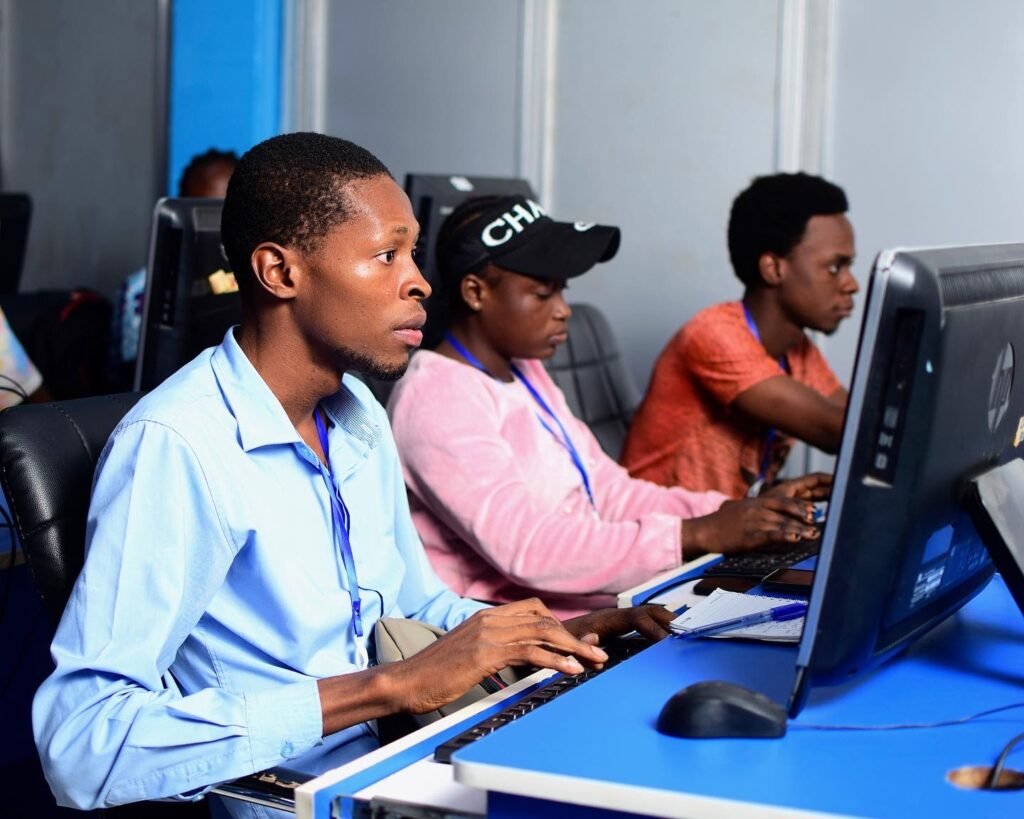
Table of Contents
Education Struggles and Why Youth Engagement Matters
Standing before educators, students, policymakers and civil society figures, Alausa reminded his audience that education is more than a classroom affair. It is the foundation of peace, progress and economic growth. He spoke frankly about persistent challenges such as gaps in access to schooling, high levels of learning poverty, mismatches between skills taught and those needed in today’s job market, and inequalities between boys and girls. According to global figures, hundreds of millions of children and youth remain out of school or lack basic literacy and numeracy skills, and these numbers, Alausa said, underline the urgency of reform.
Alausa’s point resonates in a country where over 70 percent of the population is under the age of 30 and where educational access and quality vary sharply across regions and communities. Youth, he argued, are not simply beneficiaries of reforms. They must become active partners in shaping policies that affect their learning journeys.
For many young Nigerians, education has been a door to opportunity and a shield against poverty. But that door remains firmly closed for too many others. Alausa’s call for youth involvement is rooted in a belief that solutions must emerge not just from policy offices in Abuja but from the minds and experiences of learners themselves.
Renewed Hope Agenda and Strategic Interventions
The federal government’s larger reform blueprint, anchored in President Bola Tinubu’s Renewed Hope Agenda, aims to reshape education into a system that supports national renewal, social transformation and economic growth. To achieve this vision, the Ministry of Education has taken steps to increase funding through both government investment and stronger engagement with international development partners.
Within this framework, several major initiatives are underway:
- Curriculum Rationalisation: Streamlining what students learn to align with the skills demanded in a rapidly changing global economy.
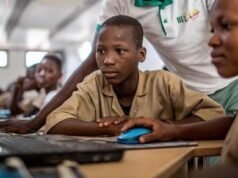
- Digital Learning Platforms: Expanding access to digital tools and online education to ensure that learners can engage with modern methods of instruction.
- Teacher Capacity Building: Strengthening the skills of educators to deliver effective instruction and mentor the next generation.
- Technical and Vocational Education (TVET): Boosting skills-based training to prepare young people for technical careers and entrepreneurship.
- Infrastructure Improvements: Enhancing school facilities to provide safer, more conducive learning environments.
These interventions are all part of a broader Education Transformation Roadmap that the ministry sees as essential for closing gaps in quality, relevance and equity. A major component of this strategy is ensuring that reforms improve opportunities for girls and other vulnerable groups who have historically suffered from limited access.
One notable policy introduced in recent reforms is a National Anti-Bullying Policy to foster safer and more inclusive school environments where learners feel supported.
Youth as Co-Creators, Not Just Learners
Alausa highlighted that Nigeria’s youthful demographic is more than a statistic. It represents a pool of talent that can help the country leap forward if properly harnessed. Rather than stick with conventional, top-down approaches, he said the education system must evolve into one that allows young people to be co-creators of knowledge and policy.
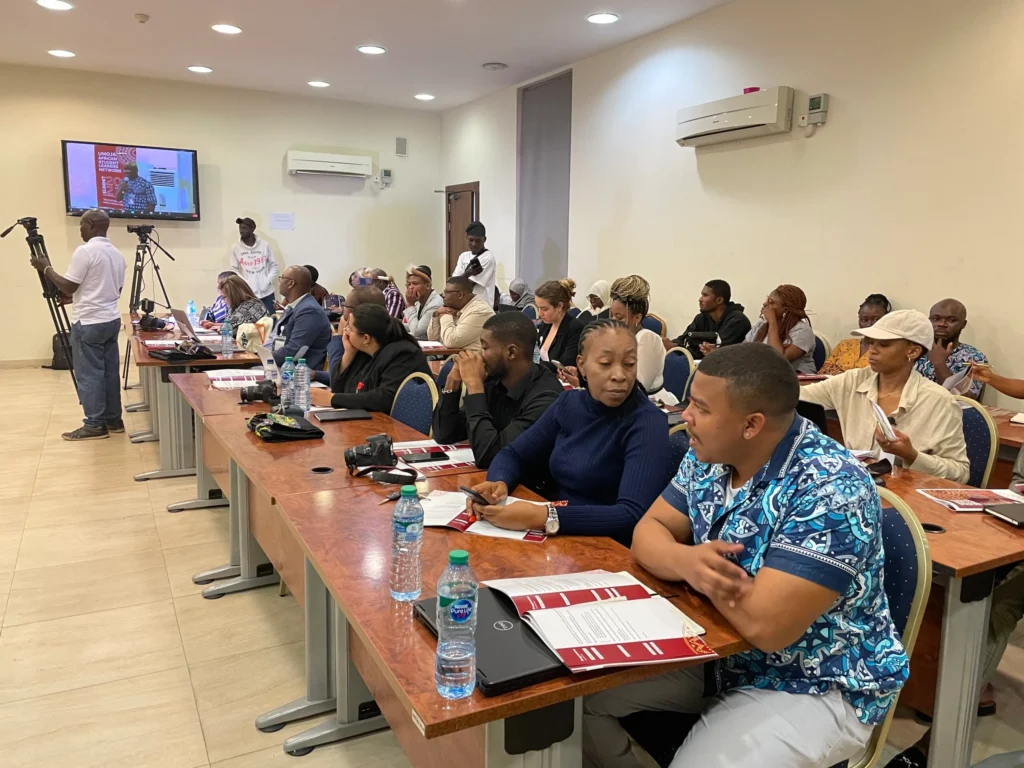
This means opening doors for students and young professionals to contribute to curriculum design, engage in policy discussions and participate in innovation hubs that allow practical solutions to real problems. It also means integrating feedback mechanisms that elevate student voices in decisions that affect their learning experiences.
Collaboration between youths and other key stakeholders such as parents, teachers, community leaders and the private sector is central to this vision. Alausa stressed that achieving the United Nations Sustainable Development Goal 4, which aims for inclusive and equitable quality education, will require collective effort from all sectors of society.
The minister’s words offer encouragement for young Nigerians who have long felt marginalised in national conversations. He urged students to engage boldly, innovate without fear, and become visible participants in Nigeria’s education narrative.
Progress So Far and a Call for Collective Action
Officials in the education sector have pointed to a number of achievements under the current reform agenda. Expansion of TVET centres has provided pathways for youth to acquire practical skills, while enrolment in science, technology, engineering, mathematics and medical programmes has shown growth in recent years. Scholarships and improved education data transparency are other areas where progress has been reported.
Efforts to reduce exclusion have included programmes targeting out-of-school children and specific initiatives to support the education of girls. These actions reflect a broader commitment to ensuring that every young Nigerian, regardless of gender or economic circumstance, has a fair chance at education.
But Alausa was quick to emphasise that reforms cannot succeed in isolation. Parents and families have important roles to play by reinforcing learning at home and supporting school participation. Communities are critical in creating safe spaces for learners and providing oversight. Civil society groups and private sector actors bring expertise, funding and innovation that can complement government efforts.
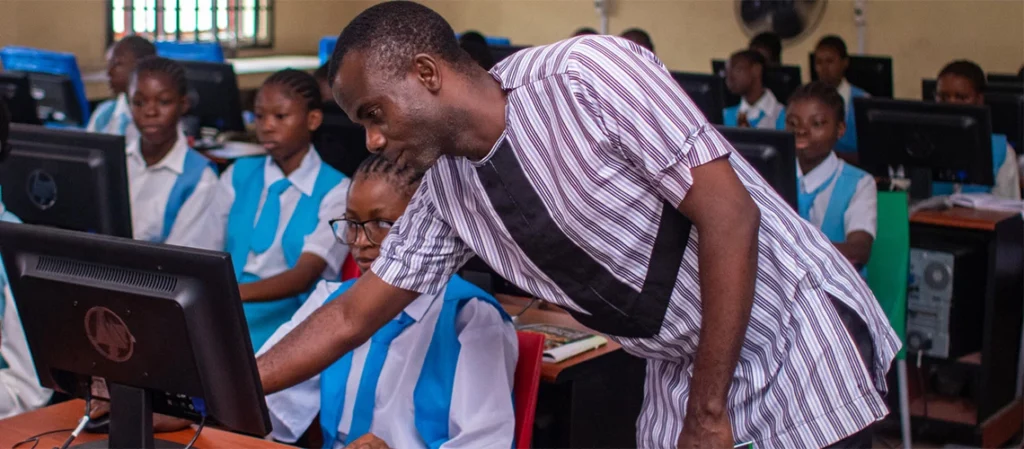
Teachers, he said, deserve recognition and support for their dedication in often challenging conditions. Their role remains central to translating reforms from policy papers into improved classroom outcomes.
Finally, Alausa reiterated the government’s commitment to lifelong learning opportunities that support Nigerians at all stages of life, not only during formal schooling years. Such opportunities help ensure that citizens continue to adapt and contribute meaningfully to society.
In closing, the minister’s message struck a resonant chord: education reform must be inclusive and forward-looking. With the energy and imagination of Nigerian youth at its heart, there is hope for an education system that equips learners not just for exams, but for life.
If properly driven and sustained, this approach could signal a transformational shift in how education supports national development goals and individual aspirations across Nigeria.
Join Our Social Media Channels:
WhatsApp: NaijaEyes
Facebook: NaijaEyes
Twitter: NaijaEyes
Instagram: NaijaEyes
TikTok: NaijaEyes
READ THE LATEST EDUCATION NEWS