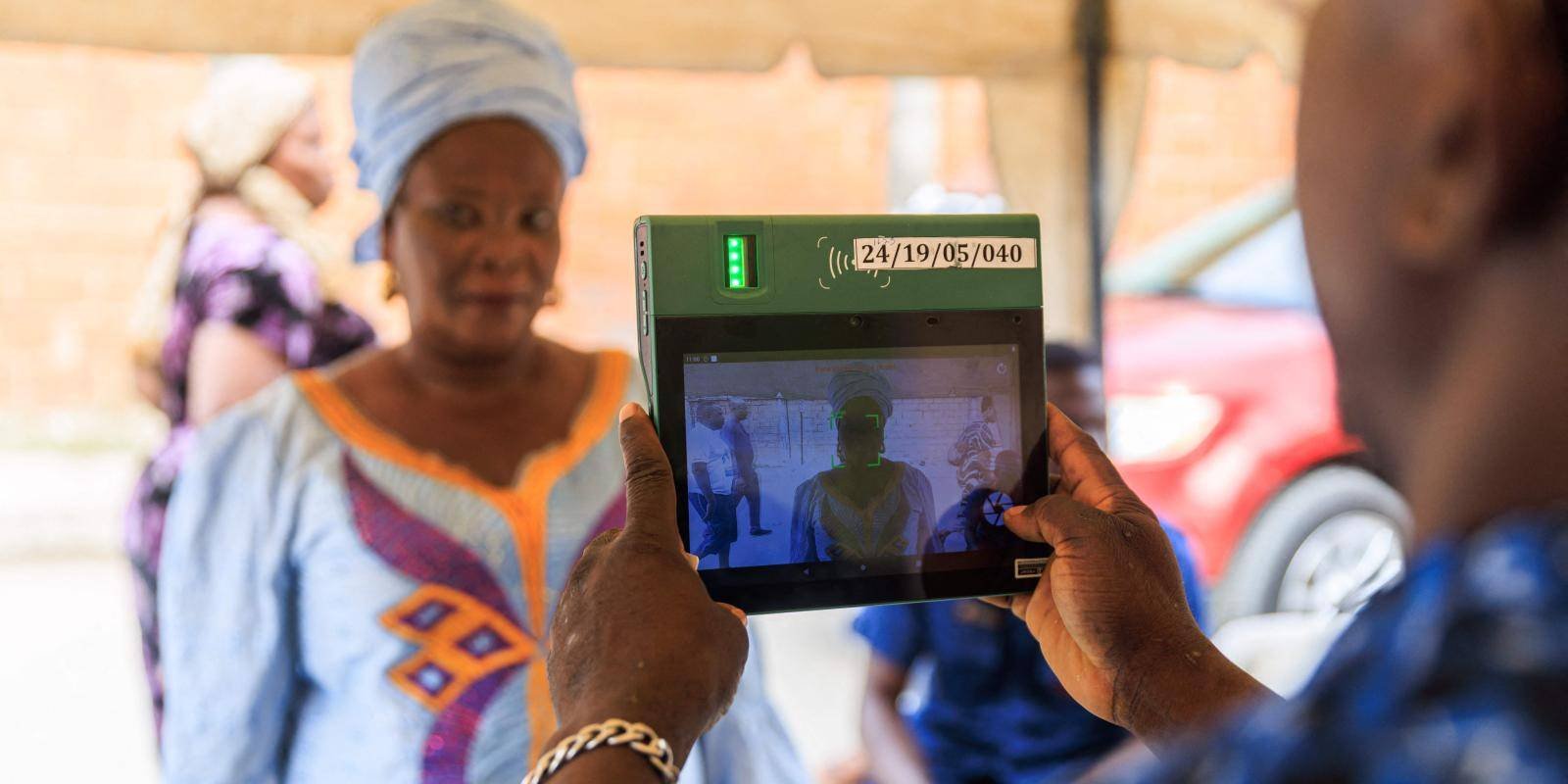
In the run-up to Nigeria’s 2027 general elections, the nation’s election technology strategy has taken centre stage with renewed emphasis on digital infrastructure and satellite connectivity as key tools to support electronic transmission of results from polling stations nationwide. Government planners, technology experts, and digital economy stakeholders now see broadband backbone projects and satellite links as essentials for credible elections that reflect the true will of voters across all 774 Local Government Areas in the country.
Nigeria has historically grappled with glaring differences in internet access between cities and rural communities, a digital divide that complicates efforts to move away from manual election processes toward real-time electronic result uploads. As discussions evolve from legal reform to the nuts and bolts of infrastructure, benefits from improved connectivity are expected to extend far beyond voting to economic growth and national development.
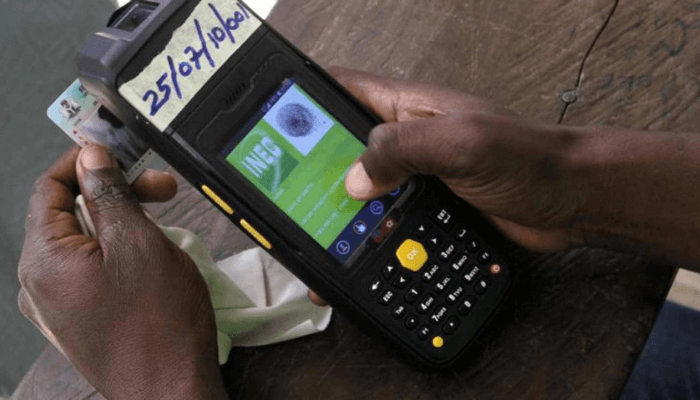
Table of Contents
Digital Infrastructure Becomes Central to Election Plans
Earlier this year, Nigeria’s Senate took a significant step by adjusting the legal framework to make the electronic transmission of election results a formal requirement. The idea is to send results from polling units directly into the Independent National Electoral Commission’s (INEC) central portal known as IReV. However, while the law now mandates data uploads, the practical ability to transmit reliably depends on the readiness of the nation’s networks.
Nigeria’s broadband coverage currently hovers around half of the population, with urban areas faring much better than rural zones. Even where mobile connectivity exists, a large portion of the networks still operate on older technology that can struggle with stable data transmission, especially over long distances. These limitations have placed the spotlight on new infrastructure programmes that aim to bridge gaps and boost access for Nigerians in underserved regions.
At the forefront of this shift is a government push to expand terrestrial fibre-optic networks across the country and bring satellite-based connections into the fold. The fibre rollout, stretching over tens of thousands of kilometres, is expected to deliver reliable, high-speed internet that supports not only election data movement but also e-government services, education platforms, and business activities across Nigeria.
Satellite Connectivity: Reaching Every Local Government Area
Complementing the fibre network is what has become known in planning circles as “Project LG 774”, an ambitious initiative to provide satellite-based broadband to all 774 Local Government Areas. Designed by Nigerian Communications Satellite Limited (NIGCOMSAT), this effort is specifically targeted at closing the connectivity gap in areas where it is commercially or geographically difficult to lay fibre cables or build mobile towers.
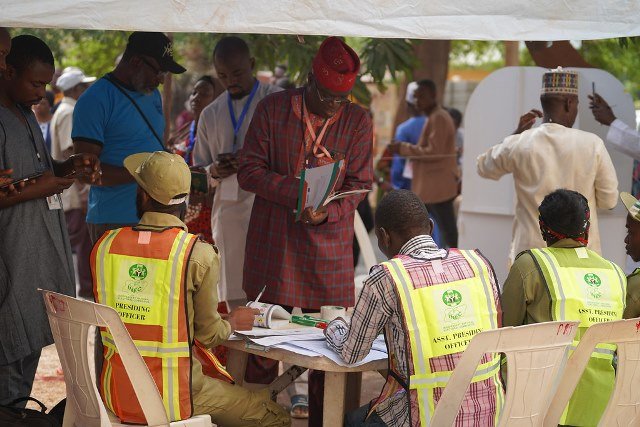
Satellite broadband can act as a reliable backbone for internet access, especially for communities that are distant from major cities or lack stable mobile signals. Early phases of the initiative have already connected local government offices and rural locations in several states, with plans to achieve full nationwide coverage before the next general elections. These local government hubs could serve as upload centres for polling units that have no direct network signal, helping ensure that results are sent to INEC’s portal without unnecessary delays.
NIGCOMSAT’s leadership has emphasised that satellite technology is not futuristic but essential, pointing to the many ways that improved connectivity enriches daily life. Satellites support broadband internet, television broadcasting, navigation services, and even weather forecasting. For rural healthcare and education, such connectivity opens up telemedicine and online learning opportunities that would otherwise be out of reach.
Opportunities and Broader Impact Beyond the Ballot Box
As positive as these developments seem, challenges remain. Many of the infrastructure projects, including fibre network expansion and satellite link deployment, are slated to deliver their full benefits beginning in 2027 or later. With elections scheduled in the same year, timing could be tight. Policymakers and technology implementers are therefore exploring whether work can be accelerated or strategically prioritised around clusters of polling units to ensure smooth operations on election day.
Despite the hurdles, both government officials and industry experts see this period as an opportunity to boost Nigeria’s digital foundation. Across the globe, countries that have invested in robust internet infrastructure have seen not only more seamless election processes but also increased economic activity, greater civic participation, and expanded access to information. For Nigeria, progress in this arena could mean improved transparency and trust in public institutions.
Satellite linkages are expected to be vital for election logistics in locations that lack terrestrial networks. In cases where polling units experience no signal, results could be transferred to nearby satellite-enabled local government centres for uploading. Temporary satellite deployments around election time may also add resilience to data transmission, especially in remote or challenging terrain.
This shift towards embracing both fibre and satellite technologies reflects a broader understanding that reliable internet access is about much more than election results. It connects citizens to opportunities and services that fuel national growth. With careful planning and execution, Nigeria’s push for an inclusive digital infrastructure that touches every corner of the federation could serve as a model for the rest of Africa.
What Lies Ahead
Beyond the immediate infrastructure push, other parts of Nigeria’s space and satellite ambitions are also moving ahead. Government authorities have approved plans for additional satellites to support Earth observation, security, and national development goals. These assets are not just for data connectivity but are expected to bolster Nigeria’s capacity to monitor environmental changes, enhance security operations, and strengthen disaster response.
Satellite technology is increasingly recognised as an everyday tool rather than a luxury. In rural regions, internet connectivity powered by satellites can help farmers access market prices, students connect to online classrooms, and health workers deliver care to isolated communities. For election officials, the timely and secure transmission of results has an obvious appeal as a cornerstone of credible electoral processes.
As Nigeria moves closer to the 2027 elections, technology will play an ever-greater role in determining how votes are counted and communicated. Digital infrastructure and satellite connectivity offer a promising pathway towards a more transparent and inclusive system. Yet success depends on timely execution, ongoing collaboration between the government and private sectors, and sustained commitment to connecting every Nigerian, no matter where they live.
In the end, the quest for reliable election technology is not simply about transmitting numbers from A to B. It is about building bridges of connectivity that strengthen democracy, deepen public trust, and open new doors for citizens across Nigeria.
Join Our Social Media Channels:
WhatsApp: NaijaEyes
Facebook: NaijaEyes
Twitter: NaijaEyes
Instagram: NaijaEyes
TikTok: NaijaEyes