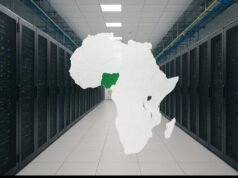
A leading tech policy expert has urged the federal government to elevate artificial intelligence education to the level of a national priority, warning that without decisive action, millions of young Nigerians risk being left behind in a rapidly digitising world. His call is rooted in a deep belief that technology should enhance fairness, dignity, and opportunity for every citizen, not entrench inequality or exclusion.
Artificial intelligence now shapes everything from classroom assessments to job screening. Yet, for most students and teachers in Nigeria, the subject remains unfamiliar territory, treated as a specialised optional course rather than an essential life skill. This disconnect between technological reality and educational preparedness has sparked widespread debate among educators, policymakers, and civil society groups alike.
In this comprehensive exploration, we look at why AI literacy must be woven into Nigeria’s national education strategy, how it can empower learners and teachers, and what challenges stand in the way.
Why AI Education Matters Today
Artificial intelligence is no longer a distant concept for future generations; it is already embedded in daily life. It sifts through job applications, selects content for learners, and supports decision-making across industries. Yet, across public schools and tertiary institutions, most young Nigerians lack a clear understanding of how these systems work or how they influence their lives.
At a recent interview, technology policy specialist Timi Olagunju described technology as a mirror of values and power. He explained that when systems are designed without inclusive intent, they can exclude entire communities from vital opportunities in learning, employment, and civic participation. In his view, AI education should not be the preserve of coders alone; it must become a core part of civic life.
This perspective is gaining traction beyond policy circles. Educators, associations, and NGOs are pushing for policies and initiatives that bring AI literacy into mainstream education. For example, efforts are underway to align AI training with Nigeria’s revamped national curriculum, aiming to reach learners across ages and regions.
By understanding how AI makes decisions, how it uses data, and what rights individuals have in a data-driven world, students would be better prepared for tomorrow’s economy. They would also be more equipped to question systems that affect their futures, rather than passively accept technological outcomes.
Integrating AI into the Classroom and Curriculum
To make AI education universal in Nigeria’s schools, experts propose a multi-layered approach.
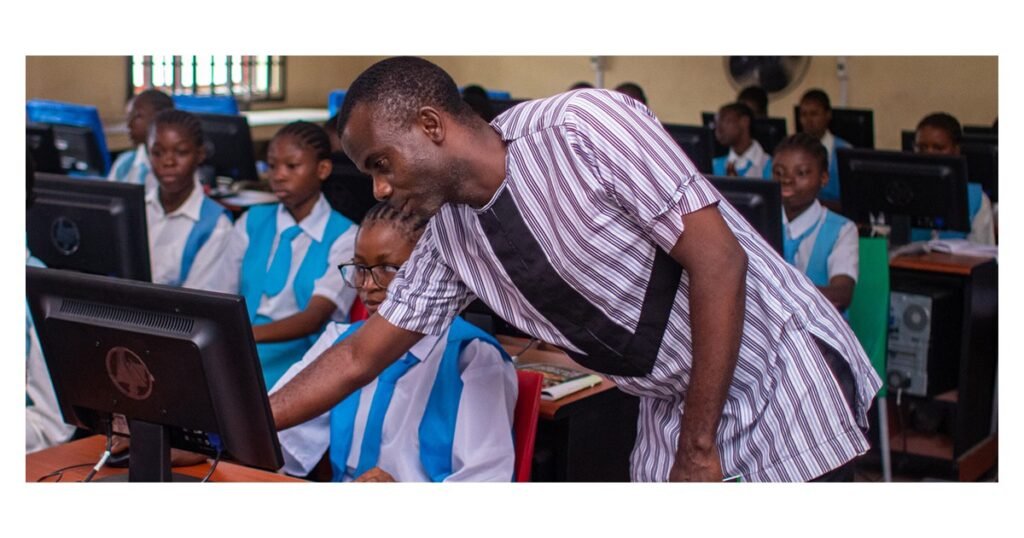
First, AI literacy must be built into the educational curriculum from basic through tertiary levels. This means not just offering specialised courses for future engineers and programmers, but ensuring that all learners understand basic concepts such as data, algorithms, and digital rights.
Teachers would need robust training so they can confidently explain AI concepts in every subject area, from social studies to agriculture. When educators are empowered, students become active learners who can connect global trends with local contexts.
Second, partnerships with civil society and local organisations would help spread AI education beyond urban centres into rural and underserved communities. These groups can deliver programmes in local languages and tailor lessons to cultural contexts, strengthening relevance and uptake
Third, investments in infrastructure are essential. Expanding broadband access and providing devices to students in remote areas will help close the digital divide. Initiatives that aim to bring connectivity to all corners of the country would ensure that AI tools do not become another marker of inequality.
Finally, platforms for youth engagement are needed so young people can shape the policies that govern their digital lives. Councils, fellowships, and open dialogues would give them a seat at the table where decisions about AI’s use and regulation are made.
Current Landscape: Steps Forward, Gaps Remain
Nigeria is not starting from zero. Several stakeholders are already working to integrate AI into education and national policy.
A national project led by the Brain Builders Youth Development Initiative seeks to make AI understandable, safe, and ethical for learners of all ages. Launched in partnership with education professionals and government representatives, this project aligns with recent curriculum reforms and aims to equip students, teachers, and parents with essential AI knowledge.
In higher education, associations such as the Open, Distance and eLearning Association of Nigeria (ODeLAN) have called for a policy overhaul to make AI training an integral part of learning outcomes. Experts at conferences stress the need to update outdated frameworks and build teacher capacity for technology-enhanced education.
The Federal Ministry of Education has shown interest in harnessing AI to augment teaching and learning, acknowledging that preserving human agency alongside technology is vital. And Nigeria’s broader digital strategy includes efforts to formulate a national AI policy that would guide ethical, inclusive use across sectors.
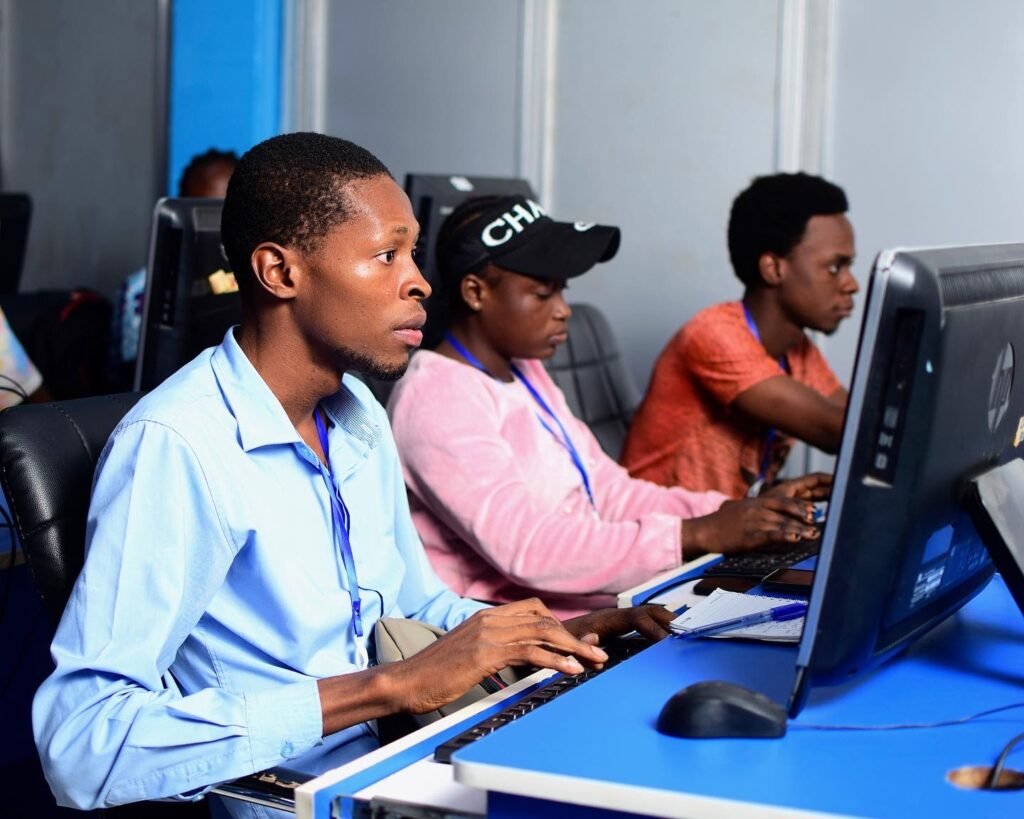
Yet, significant gaps remain. For many students in under-resourced schools, AI is still an abstract idea. In many communities, teachers lack basic training on how to integrate digital tools into their classrooms. Infrastructure deficits persist, and many rural learners are unable to connect to online resources.
Risks and Opportunities on the Horizon
Artificial intelligence offers a powerful set of opportunities for Nigeria. From personalised learning platforms that adjust to individual needs to tools that support farmers with weather insights and healthcare diagnostics in clinics, AI can address longstanding systemic challenges if deployed thoughtfully.
However, without thoughtful public policy and widespread literacy, AI could deepen existing inequalities. For example, algorithms trained on biased data might reinforce stereotypes or unfairly disadvantage students based on geography or income. Systems that lack transparency can erode trust and limit access to opportunity rather than create it.
Stakeholders emphasise that equitable access should be at the heart of any national AI education strategy. Building offline learning models, expanding broadband to underserved regions, and creating interfaces in local languages would make technology more inclusive.
Another critical dimension is ethics. As students and citizens engage with AI tools in learning, business, and civic life, they need frameworks that protect privacy, ensure accountability, and respect human rights. Without these protections, the risks of misuse and harm grow.
A Future Driven by Knowledge, Not Fear
The call to treat AI education as a national priority is not simply about keeping up with global trends. It is a fundamental question of national development and equity. If young Nigerians are given the knowledge to understand and shape the technologies that affect their world, they are more likely to become innovators, leaders, and informed citizens.
Conversely, if AI remains the domain of a select few, the majority risk being excluded from the opportunities it creates. That exclusion could widen the gap between urban and rural learners, wealthier and poorer communities, and those who have access to quality education and those who do not.
The path forward requires collaboration among government agencies, educators, civil society, and youth themselves. It requires investment in curriculum reform, infrastructure, and teacher training. And above all, it requires a shared vision of education that prepares every Nigerian for the demands of the 21st century.
In the words of advocates for AI literacy, the goal should be not merely to use technology but to understand it, to shape it, and to harness it for the public good. That, they say, is the foundation of a truly inclusive and forward-looking education system.
Join Our Social Media Channels:
WhatsApp: NaijaEyes
Facebook: NaijaEyes
Twitter: NaijaEyes
Instagram: NaijaEyes
TikTok: NaijaEyes