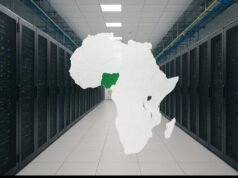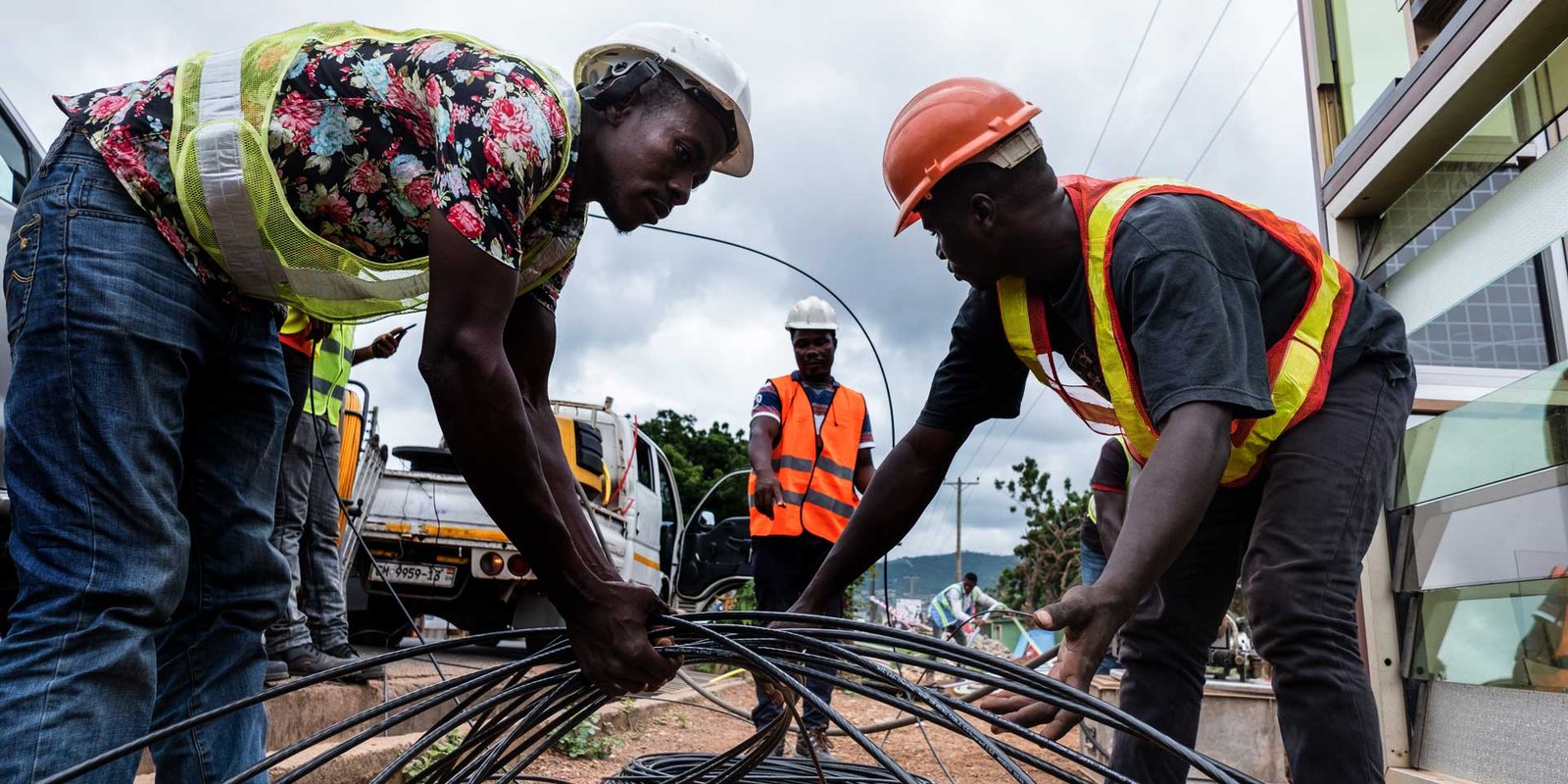
Nigeria’s telecom sector is poised for one of the most ambitious infrastructure rollouts in the country’s recent history as industry leaders and government officials finalise plans to deploy high-speed fibre optic networks nationwide in 2026. This initiative is expected to unlock massive economic opportunities, drive digital adoption, and deepen inclusion in both urban and rural communities. Experts say the strategic investment in fibre infrastructure will reshape how Nigerians access and use internet services, injecting new dynamism into the nation’s digital economy.
In recent years, Nigeria has witnessed a surge in internet use, mobile penetration, and growing demand for data-heavy applications. These trends underscore the urgent need for a robust backbone infrastructure that can deliver consistent connectivity across the country. With this in mind, Nigeria’s telecom operators and the Federal Government have embraced a bold agenda to extend fibre networks to underserved areas and future-proof the nation’s communications capacity.
This article explores the prospects of the Nigerian fibre rollout scheduled for 2026, examining policy frameworks, funding models, industry expectations, and the challenges that lie ahead. We also assess the implications for everyday Nigerians and the broader digital ecosystem.
Project BRIDGE and Government Strategy
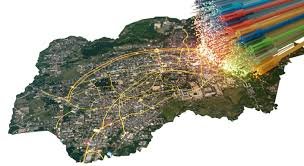
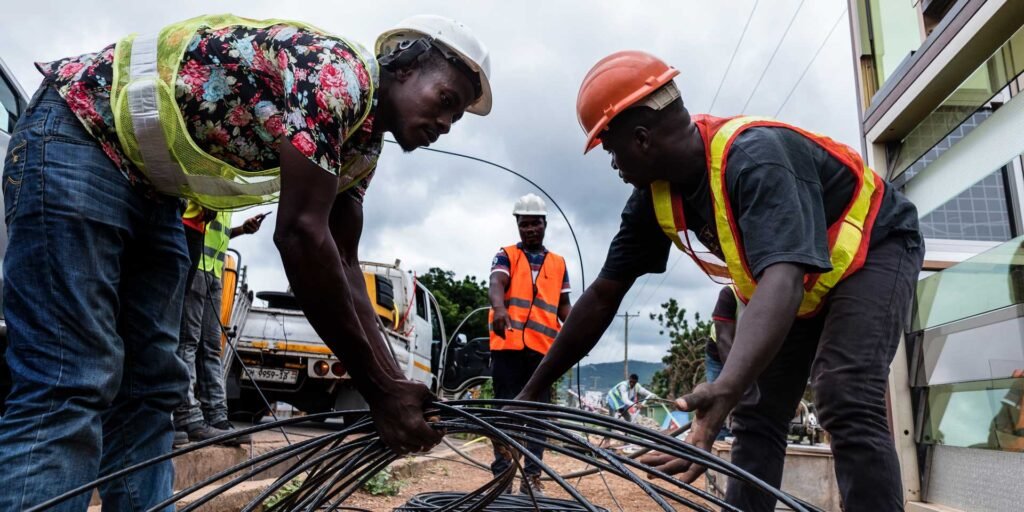
At the heart of this expansive telecom push is Project BRIDGE, an initiative championed by the Ministry of Communications, Innovation and Digital Economy. The project is designed to build out a national broadband backbone that will link cities, towns, institutions, and underserved localities with high-capacity fibre optic cables. The government has outlined plans to expand existing fibre infrastructure from roughly 35,000 kilometres to about 125,000 kilometres, covering all 774 local government areas in Nigeria.
Project BRIDGE is structured as a public-private partnership (PPP), bringing together federal ministries, regional authorities, private telecom companies, and development partners. It reflects a broad consensus that digital infrastructure must be treated as a strategic national priority to bolster economic growth and build resilience in the face of mounting digital demand.
A cornerstone of the rollout is its alignment with Nigeria’s national broadband targets. Government officials have reaffirmed the goal of achieving at least 70 per cent broadband penetration by 2027, a figure that would position Nigeria among the leading digital economies in Africa. Expanding fibre access is central to that ambition because it delivers speeds and reliability that mobile LTE and legacy networks alone cannot match.
World Bank Support and Funding Framework
International support, particularly from the World Bank, has been pivotal in shaping the financing architecture for the fibre network expansion. In late 2025, the World Bank approved a $500 million loan facility earmarked to support the rollout over several years, conditional on Nigeria meeting agreed performance benchmarks. The funds are slated to be disbursed in phased tranches between 2026 and 2031, supporting activities from initial deployment to capacity building and project oversight.
The staggered funding approach reflects a commitment to governance, transparency, and measurable impact, according to project observers. Nigeria must demonstrate progress at each stage to unlock subsequent tranches, ensuring accountability and sustained delivery.
This injection of capital is expected to catalyse further private investment, reducing the financial risk for operators and encouraging them to accelerate last-mile connections in both towns and rural communities. Analysts say that blending public and private finance in this way helps create a scalable model for future infrastructure projects across the continent.
Industry Outlook: Operators and Market Expectations
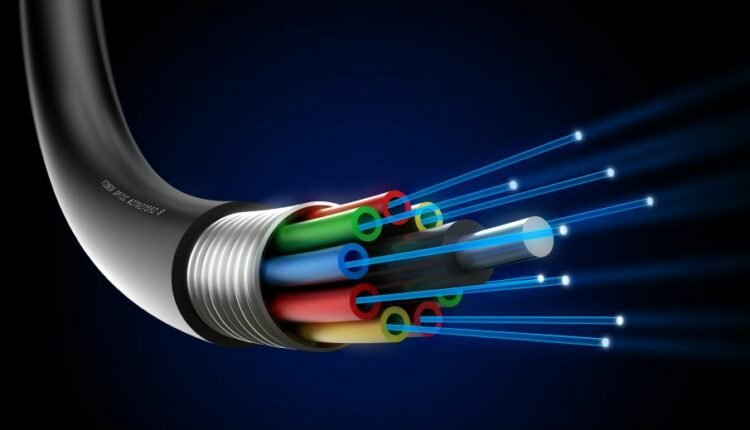
Telecom operators have welcomed the renewed focus on fibre infrastructure, describing it as a potential game-changer for Nigeria’s digital economy. Last year ended on a positive note with record data consumption and broadband growth, signalling that demand remains robust despite broader economic headwinds.
The Association of Telecommunications Companies of Nigeria (ATCON) has emphasised the potential of the rollout to lower infrastructure costs, reduce deployment bottlenecks, and increase competition in the broadband market. Industry leaders believe this could unlock new opportunities for services such as fintech, cloud computing, e-commerce, and enterprise connectivity.
MTN Nigeria, Airtel, and other major telecom players have already started positioning themselves for the coming shift. For instance, MTN announced plans to expand its fibre network with the ambition to connect millions of homes across the country by the end of the decade. This expansion aligns with broader industry efforts to bolster capacity and improve service quality.
Airtel Nigeria has also intensified its capital expenditure on network upgrades and rural connectivity, reflecting the expectation that demand for reliable broadband will continue rising across diverse regions.
But industry players are clear that policy clarity and regulatory support will determine the speed and scale of expansion. Agreements on right-of-way charges and streamlined approvals for civil works are critical to project timelines. When states and local governments harmonise these processes, operators say rollout barriers diminish, and investment flows more freely.
Challenges and Realities on the Ground
While the rollout plan generates optimism, challenges remain. Nigeria’s telecom infrastructure has faced significant disruptions due to fibre cuts, vandalism, and theft, which were highlighted by industry regulators in recent months. Between January and August 2025, more than 19,000 fibre cuts were recorded, causing service interruptions and highlighting the vulnerability of current networks.
Network outages have also been tied to power issues, with frequent outages and insufficient backup systems compounding disruptions. December 2025 saw 118 network outages linked to a mix of power and fibre disruptions, underscoring the need for robust infrastructure protection measures.
Another sticking point is the cost of deployment, particularly related to right-of-way fees that operators must pay to lay cables across public roads and land. In some states, fees remain prohibitively high, increasing operational costs and slowing rollout plans. Although progress has been made with certain states adopting zero-rated right-of-way policies, more uniform action is needed to accelerate network expansion.
Industry players also warn that without effective safeguards against vandalism and theft, the benefits of expanded fibre networks could be compromised. Protecting critical infrastructure will require coordinated action from government, law enforcement, and local communities to deter sabotage and promote shared ownership of digital assets.
What This Means for Nigerians
For everyday Nigerians, the expansion of fibre networks promises tangible improvements in daily life. Better broadband services mean smoother video conferencing for students and professionals, more reliable platforms for entrepreneurs and digital businesses, and improved access to e-government services. Enhanced connectivity could also draw more investment into sectors such as agriculture, health, and education, where digital tools are increasingly vital.
In rural areas, expanded fibre links could bridge the digital divide, enabling communities that have long lacked high-speed internet to access online opportunities. This could help reduce urban migration pressures by creating local digital economies and empowering young people with new skills and opportunities.
Moreover, as Nigeria’s data consumption and broadband subscription rise, enhanced infrastructure will ease congestion on existing networks, leading to better quality of service for users nationwide.
Looking Ahead: Execution and Impact
As 2026 begins, all eyes are on the transition from planning to execution. Telecom sector leaders believe that with coordinated effort, the next phase of Nigeria’s digital transformation is within reach. The success of the Nigerian fibre rollout will depend on steadfast implementation, strong public and private collaboration, and a shared commitment to overcoming infrastructure challenges.
If Project BRIDGE and related initiatives achieve their targets, Nigeria could soon emerge as a continental leader in broadband access, with long-term benefits for economic growth, innovation, and inclusion. This rollout stands not just as a technological upgrade, but as a cornerstone of the country’s drive toward a more connected, productive, and competitive future.
Join Our Social Media Channels:
WhatsApp: NaijaEyes
Facebook: NaijaEyes
Twitter: NaijaEyes
Instagram: NaijaEyes
TikTok: NaijaEyes