
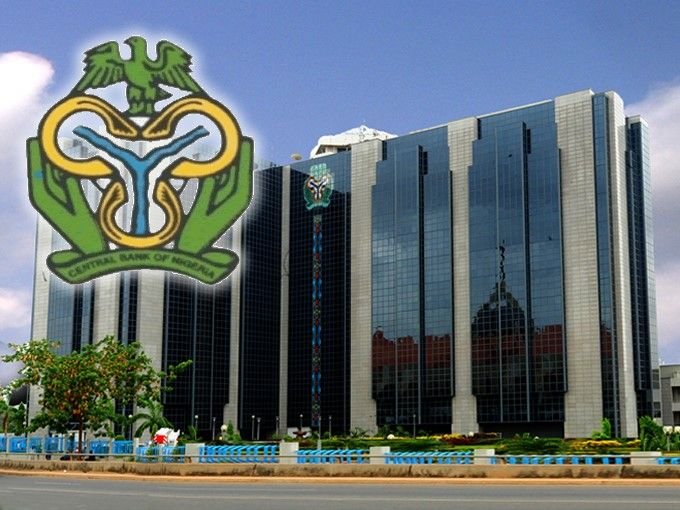
The Central Bank of Nigeria has released a frank, evidence-rich review of the country’s fintech scene that reads like a progress report and a wake-up call rolled into one. Titled Shaping the Future of Fintech in Nigeria: Innovation, Inclusion and Integrity, the paper was published by the CBN in early February 2026 and runs to roughly 34 pages.
Why should anyone outside Abuja care? Nigeria already processes billions of real-time transactions every year and hosts one of the largest fintech talent pools on the continent. The new report does not celebrate those numbers alone. It interrogates whether the systems that made the growth possible can support the next phase, when scale must meet stability and trust. That dual question is the spine of the report and also the practical test for founders, investors and regulators.
Nigeria’s Fintech Reality Check: Seven truths that sting
The CBN’s findings are blunt. They come from workshops and a nationwide ecosystem survey, and they expose structural bottlenecks that do not always show up in glossy pitch decks. Here are the most significant revelations and what each really means.
- Product launches take too long. The report flags that 37.5 percent of fintechs say it takes more than a year to move a new product from development to market because of regulatory and administrative pauses. Another 25 percent report waiting six to twelve months. For startups that survive on iteration and speed, these delays are a strategic handicap.
- Policy is abundant, implementation is not. Nigeria has produced frameworks for payments, anti-money laundering, cybersecurity and open banking. The CBN points out a persistent gap between the written guidance and how rules are enforced at the operational level. Several policies exist more comfortably on paper than they do in everyday operations, and patchy implementation raises the cost of building.
- Fraud consumes innovation bandwidth. The survey shows that most fintechs are using artificial intelligence mainly to fight fraud, with 87.5 percent reporting primary AI use in fraud detection rather than product features like personalisation or lending decisions. That allocation of resources is understandable, but it means fewer engineers and less capital are available for growth and user experience.
- Regulation looks like alphabet soup to founders. Multiple agencies have overlapping roles in payments, data and telecoms. For a CEO, this often translates into extra approval steps, repeated conversations, and slower scale. The result is an ecosystem that rewards regulatory navigation skills almost as much as product design.
- Fragmented infrastructure undermines open promises. Open banking guidelines exist, but patchy API standards and inconsistent data sharing mean the potential benefits of interoperability remain only partially realised. The user and developer experiences are uneven across banks and service providers.
- Compliance costs are structural, not incidental. Beyond the headline line items, the report highlights compliance as an ongoing operating expense that reshapes business models. Some startups pivot away from risky but high-value segments because the compliance burden becomes prohibitive.
- Reputation and cross-border friction still bite. Nigeria’s regulatory moves in recent years have reduced some international friction, yet reputational damage from past weaknesses in anti-money laundering controls remains a material constraint on partnerships and cross-border flows. The report links that constrained trust to higher onboarding costs and slower international deals.
Taken together, these truths do more than point to weaknesses. They explain why a culture of launch parties and media headlines can coexist with operational fragility. The CBN is not only diagnosing. It also sets out priorities to shift the conversation from product launches to system strengthening.

What this means for founders and investors
For founders, the report is a practical checklist and a candid note from a key stakeholder. If your roadmap assumes regulatory speed and frictionless partnerships, you must recalibrate. Build regulatory engagement into product timelines. Budget for compliance as a continuing cost rather than a one-time hurdle. Invest early in fraud detection because the market will demand it. Do not treat compliance as a box to tick. Treat it as engineering work that requires design, data and people.
For investors, the lesson is similar but from the other side of the table. Due diligence has to look beyond revenue growth and market traction. Ask detailed questions about a startup’s regulatory playbook and its operational controls. When you see speed of execution in Nigeria, ask which approvals were needed and how the founder navigated them. Assess whether a business can survive a six to twelve-month regulatory pause. Because if it cannot, the multiples you paid for growth may vanish when the market shifts.
There are also opportunities baked into the problem set. Firms that can offer standardised compliance tooling, shared fraud intelligence, and robust API gateways stand to capture predictable, recurring revenue. The same is true for firms that can provide third-party certification of best practice. Where the system is fragmented, there is room for middleware to simplify the developer and bank experience.
A pragmatic path forward for fintech and others
The CBN does not stop at critique. It sketches a constructive path that focuses on coordination, clarity and targeted investment. The broad themes are straightforward. Regulators must align implementation deadlines with the realities of market capacity. Government and industry need joint problem-solving to make policies operational. And the ecosystem must invest in the plumbing that makes scale reliable.
Actionable steps that emerge from the report and from conversations across the industry include the following. First, create time-bound operational roadmaps for major policy rollouts so startups can plan with more certainty. Second, standardise APIs and publish clear technical standards to reduce integration risk. Third, scale shared services for fraud detection so that smaller players can access high-quality defence tools without the full cost of building them in-house. Fourth, encourage multi-stakeholder sandboxes that mirror real-world complexity rather than sterile lab conditions.
There is a civic dimension to this work as well. Fintechs are not merely commercial actors. They touch how ordinary people save, borrow and get paid. When the system works, the benefits of inclusion and convenience are real. When it does not, people pay through delayed payments, stricter onboarding requirements and lost trust. The report makes clear that the stakes are both economic and social.
Finally, expect the next phase of Nigerian fintech to look different from the first. The glitter of unicorn valuations will be joined by quieter, more durable indicators of system health. Those indicators are things like consistent API uptime, streamlined interagency approvals, and measurable falls in fraud loss ratios. If those shifts happen, Nigerian fintech will not simply be a growth story. It will be an infrastructure story that other markets study.
Join Our Social Media Channels:
WhatsApp: NaijaEyes
Facebook: NaijaEyes
Twitter: NaijaEyes
Instagram: NaijaEyes
TikTok: NaijaEyes