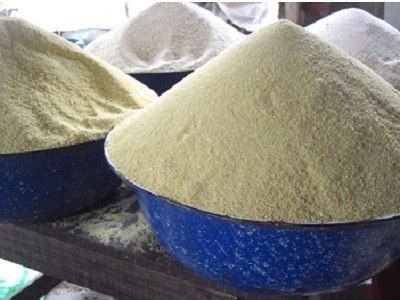
Nigeria inflation rate falls to 15.15 percent as food prices drop significantly
For many Nigerians who have been battling with the high cost of living over the last two years, the latest news from the National Bureau of Statistics is like a cold glass of water on a very hot afternoon. According to the recent Consumer Price Index report for December 2025, our headline inflation rate has taken a surprising dive, dropping to 15.15 percent.
This is a massive change from the 17.33 percent we saw in November and an even bigger relief when you compare it to the 34.8 percent that broke many hearts in December 2024. As a professional editor who keeps a close watch on the pulse of the nation, I can tell you that this shift is not just about big grammar or economic theories; it is about the real life struggle to put food on the table for our families.
A surprising breath of fresh air for Nigerian households
We all remember how the prices of basic items kept climbing like they were in a competition to reach the sky. But finally, the numbers are starting to look friendly again.
This recent drop represents a 2.18 percentage point decrease in just one month, showing that the pressure on the general price level is finally easing up. Even though the National Bureau of Statistics mentioned some technical adjustments in their methodology, the overall direction is clear.
For the average person on the streets of Lagos, Kano, or Port Harcourt, what matters most is that the constant headache of “how much is it today?” is slowly becoming less intense. Seeing inflation fall below the 20 percent mark for the first time in a long while is a significant milestone that brings a sense of cautious optimism to our markets.
The magic numbers behind the food price miracle
The most exciting part of this report is the section on food inflation, which is the real engine of our daily expenses. Can you imagine that food inflation stood at almost 40 percent this time last year? Fast forward to December 2025, and it has dropped sharply to 10.84 percent. This miracle was driven by the falling prices of the things we eat every day.
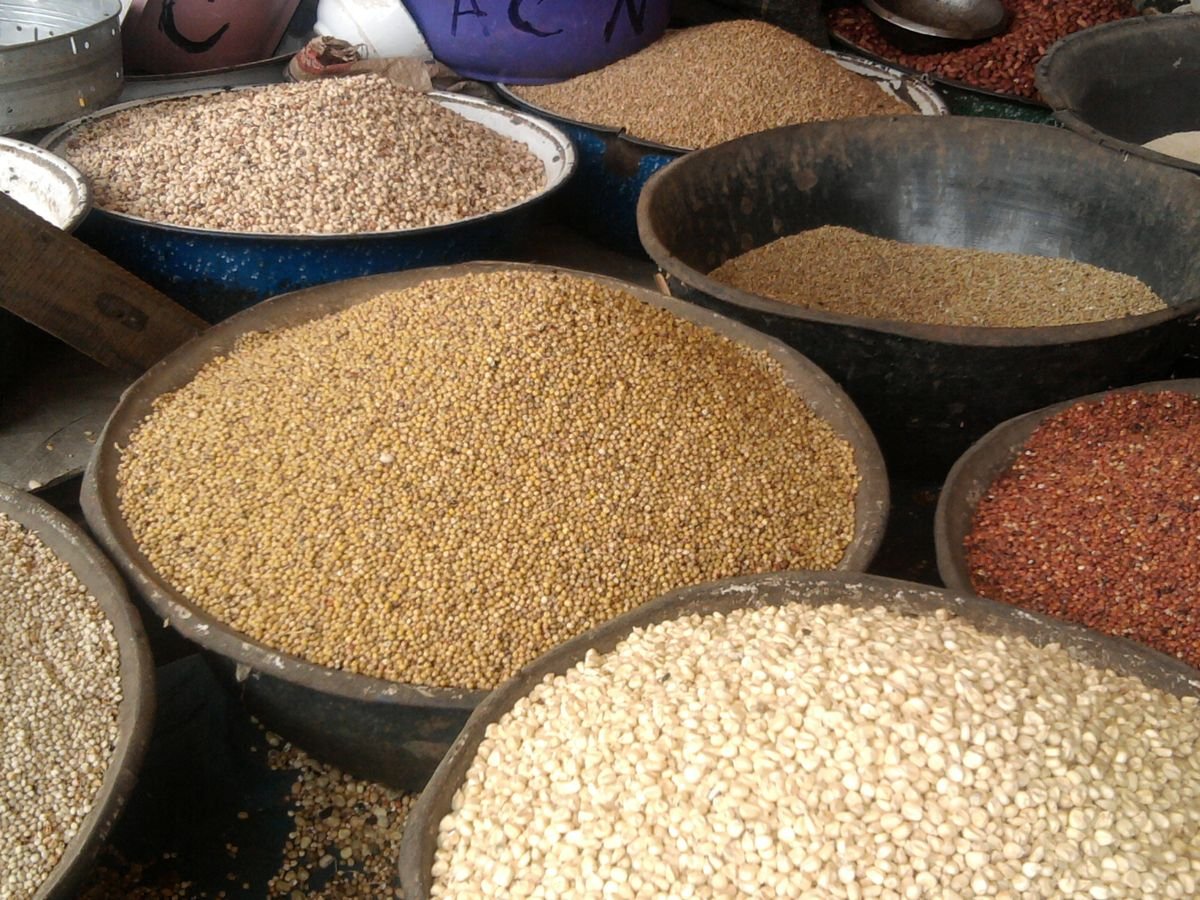
From garri and beans to tomatoes, eggs, potatoes, and even onions, the cost of filling a basket in the market has become more manageable. Whether you are buying millet in the north or plantain in the south, the impact of this price reduction is being felt across the board. It is a welcome change that has allowed many families to enjoy the recent festive season without the usual heavy burden of debt.
Navigating the regional differences and the road ahead
While the national average is looking good, we must also acknowledge that some states are still feeling the heat more than others. For example, Abia, Ogun, and Katsina recorded some of the highest inflation rates, while places like Sokoto and Akwa Ibom are enjoying some of the lowest prices in the country.
This regional variation shows that we still have some work to do in balancing our supply chains and distribution networks. However, the drop in both urban and rural inflation suggests that the improvement is not just restricted to the big cities. As we look ahead into 2026, the big question is whether this downward trend will continue or if it is just a temporary relief.

For now, we can take a moment to breathe and hope that the prosperity we have been hearing about is finally turning into a reality we can see in our bank accounts.
Join Our Social Media Channels:
WhatsApp: NaijaEyes
Facebook: NaijaEyes
Twitter: NaijaEyes
Instagram: NaijaEyes
TikTok: NaijaEyes