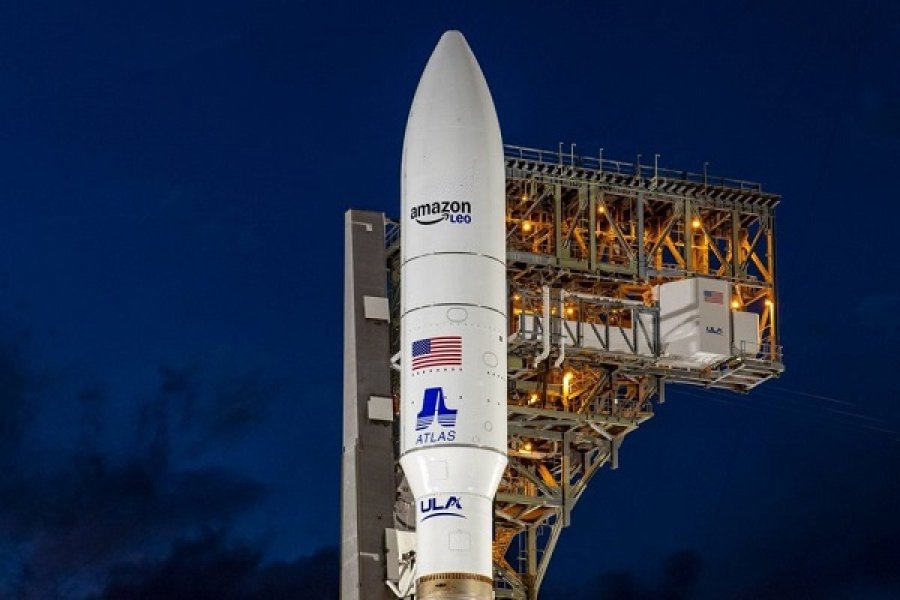
In a move that signals a new chapter for the country’s digital infrastructure, Nigeria has formally approved seven-year satellite operating permits to three major global space communications companies. The Nigerian Communications Commission (NCC) granted licences to Amazon’s Kuiper Systems, Israel’s NSLComm with its BeetleSat network, and Germany’s Satelio IoT Services as part of its effort to catalyse investment and expand broadband access. These approvals place Nigeria firmly on the map in the global race to broaden internet connectivity using state-of-the-art satellite technologies, as reported by Reuters.
This decision aligns with Nigeria’s ambition to become a more attractive destination for next-generation communications solutions and reflects its intent to modernise regulatory frameworks governing satellite services. Stakeholders in the telecoms sector are watching closely as these international operators prepare to launch or scale operations that could redefine how Nigerians access the internet beyond traditional terrestrial networks.
Table of Contents
Strategic Permits Granted Under Progressive Regulations
The NCC’s decision follows clear guidelines outlined in its commercial satellite communications framework, which aims to draw foreign investment into Nigeria’s telecommunications industry while supporting the deployment of advanced satellite systems. Under this framework, all three companies received permits valid for seven years, a relatively long duration reflecting confidence in their technological and commercial plans.
Amazon’s Kuiper Systems secured authorisation to provide Ka-band satellite services using its extensive Project Kuiper constellation, which will consist of up to 3,236 non-geostationary orbit satellites. This permit allows Kuiper to beam its broadband services across Nigeria beginning February 2026 through February 2033.
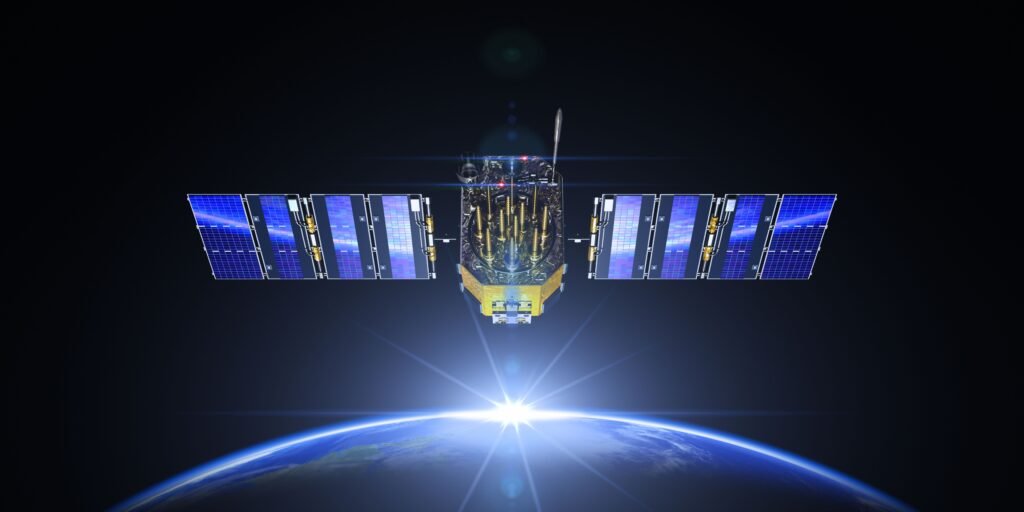
NSLComm’s BeetleSat-1 network, composed of 264 satellites designed to deliver high-throughput satellite communications, received comparable approval. Germany’s Satelio IoT Services was also given a licence for its planned constellation of 491 satellites, even though only a single test craft is currently in orbit.
By issuing these permits, the NCC intends to fast-track the expansion of satellite broadband services and align Nigeria’s regulatory environment with global best practices in space communications.
Liberalising the Market and Encouraging Competition
For years, satellite broadband in Nigeria has been constrained by limited entrants, leaving many Nigerians in urban and rural areas with few alternatives when local fibre and mobile networks fall short. With these new permits, the market is poised for increased competition and innovation.
SpaceX’s Starlink has been a prominent provider of satellite internet services in the country, but Amazon Kuiper’s entry may broaden consumer choice and potentially moderate pricing pressures. Industry observers note that historically, Starlink’s pricing and capacity limitations in urban centres like Lagos and Abuja have frustrated many users, especially in underserved regions.
These new players are expected to offer diverse broadband services from fixed residential connections to enterprise-grade networks and mobile coverage over land, sea, and air. This could transform how Nigerians in remote and rural communities connect to the internet, with significant implications for education, commerce, healthcare, and public services.
Implications for Nigeria’s Telecoms Landscape and Economy
The broader implications of expanded satellite broadband extend beyond improved internet connectivity. By embracing multiple satellite operators, Nigeria can stimulate local technology ecosystems, attract foreign direct investment, and accelerate digital inclusion. Analysts believe that this could also help close the digital divide that has long hampered economic opportunities for millions of Nigerians outside main cities.
Industry stakeholders are also optimistic about job creation in tech support, customer service, network management, and allied sectors that will support the new satellite services. The cascading effects on small-business growth, agricultural technology platforms, and e-health services could be substantial as reliable broadband becomes more widespread.
The entry of these global satellite operators also places Nigeria in the spotlight among other African nations considering similar liberalisation strategies. As countries across the continent explore ways to expand connectivity and digital access, Nigeria’s approach may serve as a reference model for integrating private sector innovation with public regulatory oversight.
Looking Ahead: Reform, Connectivity and Digital Inclusion
As preparations begin for these satellite networks to become fully operational, the NCC will focus on implementation, compliance, and coordination with local partners. The rollout phase scheduled to begin in 2026 will be a critical period for ensuring that infrastructure meets local needs and that services are affordable and reliable.
At the same time, the success of these satellite services will depend on broader cooperation with Nigerian internet service providers, equipment vendors, and regulatory bodies to build complementary ground stations, gateway facilities, and distribution channels. The future of Nigeria’s broadband expansion will rely not only on orbital networks but also on how well these can integrate with on-the-ground connectivity solutions.
In a landscape where digital access increasingly defines economic participation and social inclusion, the NCC’s decision to grant these landmark permits could mark a pivotal moment in Nigeria’s digital transformation. With these new permits, the sky is no longer the limit for millions of Nigerians eager for faster, more reliable internet access.

Conclusion
Nigeria’s decision to issue long-term satellite broadband permits to Kuiper, BeetleSat, and Satelio is a strategic step in modernising its communications sector. By opening the market to these global players, the country is advancing competition, expanding access to high-speed internet, and laying the foundation for greater economic and social development through enhanced connectivity.
Would you like a version of this article tailored for publication in a specific Nigerian media outlet style?
Join Our Social Media Channels:
WhatsApp: NaijaEyes
Facebook: NaijaEyes
Twitter: NaijaEyes
Instagram: NaijaEyes
TikTok: NaijaEyes