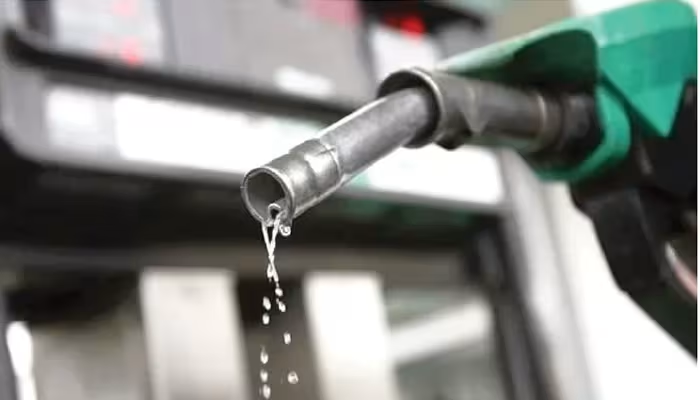
Electricity supply stability remains a pressing national priority as Nigeria power sector challenges gas shortages and aging transmission infrastructure continue to disrupt homes and businesses.
According to official ministerial disclosures made during a media engagement with senior editors in Lagos on Friday, November 13, 2026, Minister of Power Joseph Tegbe outlined the systemic hurdles holding back reliable electricity. Specifically, Tegbe pointed to inadequate gas supply for thermal power stations, decaying grid equipment, widespread metering deficits, and persistent vandalism across key transmission corridors. Furthermore, he noted that deep commercial illiquidity and accumulated industry debts continue to strain relationships across the entire electricity value chain.
Also read Gombe Police Arrest 29-Year-Old Suspect Over Electricity Cable Vandalism, Recover Four Rolls
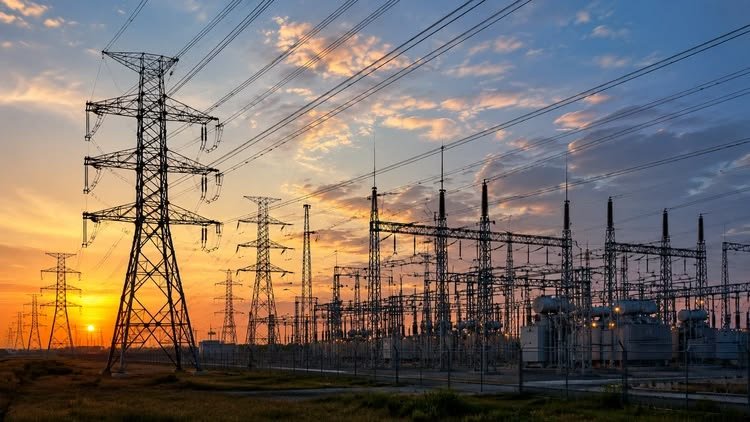
Backstory: Technocratic Reforms, Legacy Debts, and Infrastructure Overhaul
To understand why fixing Nigeria’s power sector challenges gas shortages requires deep structural reforms, we must examine the persistent bottlenecks that have plagued the grid for decades. Although Nigeria boasts approximately 13,625 megawatts of installed generation capacity, actual power delivered to consumers frequently hovers around 5,000 megawatts due to pipeline disruptions and weak transmission lines.
Historically, recurring national grid collapses forced factories and households to spend billions of naira on expensive diesel and petrol generators. Stepping into this complex landscape, Minister Joseph Olasunkanmi Tegbe—sworn into office in June 2026 following the exit of Adebayo Adelabu—brings a blend of engineering and fiscal expertise. A 1988 first-class civil engineering graduate of Obafemi Awolowo University and former Senior Partner at KPMG Africa, Tegbe previously served as Director-General of the Nigeria–China Strategic Partnership. Since taking charge, he has launched technical audits of transmission towers, pursued a $2 billion East-West Super Grid project, and prioritized clearing legacy debts owed to power generation companies. Consequently, newly commissioned substations across hubs like Apapa, Ikeja, and Kano have already added over 1,300 megavolt-amperes to national transmission capacity.
- Core Supply Bottlenecks: Thermal power plants struggle with erratic gas deliveries, while distribution companies face high commercial losses and metering gaps.
- Transmission Upgrades: Recent substation completions in Lagos and northern industrial zones expanded grid wheeling capacity by more than 1,300MVA.
- Leadership Pedigree: Appointed in 2026, Joseph Tegbe combines civil engineering training with over three decades of public policy and financial advisory experience.
Delivering Measurable Grid Reliability for Homes and Industries
As federal authorities implement multi-year infrastructure repairs, translating policy announcements into steady power supply remains essential for economic productivity.
“The ultimate measure of success will not be installed capacity or policy announcements alone, but tangible improvements in electricity supply to Nigerian homes, businesses and industries,” stated Minister of Power Joseph Tegbe during the Lagos briefing.
In summary, addressing Nigeria power sector challenges gas shortages demands coordinated action between gas suppliers, grid operators, and distribution utilities. Settling legacy liabilities and expanding metering will gradually reduce blackout fatigue across Nigeria’s economy.
References & Citations
- Federal Ministry of Power Media Briefing / Nairametrics (Nov 15, 2026): Nigeria’s Power Minister lists gas shortages, transmission constraints among sector’s challenges, Lagos.