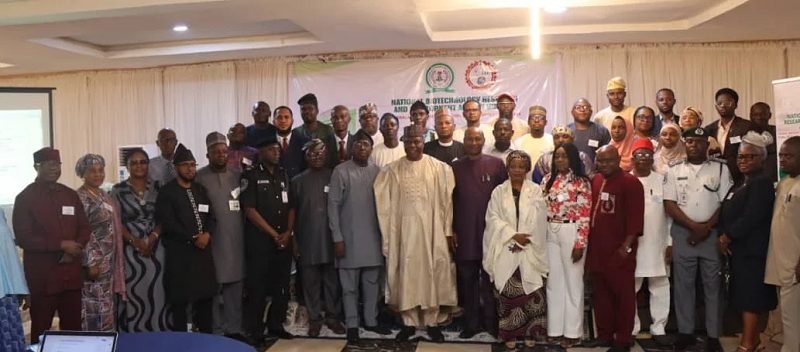
In a move aimed at rejuvenating the country’s biotechnology landscape, the National Biotechnology Research and Development Agency (NBRDA) has called together a broad spectrum of government officials, scientists and experts to review and update the nation’s biotechnology policy. The two-day workshop, held on 8–9 December 2025 in Abuja, marks a crucial moment as Nigeria seeks to align its policy environment with rapidly evolving global biotechnology advances.
Opening the meeting, Kinsley Udeh, Minister of Innovation, Science and Technology, stressed that a modern biotechnology policy must be dynamic and forward-looking. He described the exercise as a renewal of Nigeria’s commitment to science-led socio-economic progress — a call to translate policy into real benefits for citizens.
Participants at the workshop are tasked with reviewing a “zero draft” of the updated policy, harmonising inputs, and laying the groundwork for a regulatory framework that reflects contemporary scientific realities. On the table are issues such as expanding research funding, upgrading laboratory capabilities, strengthening regulation, and ensuring that innovations deliver concrete solutions across agriculture, healthcare, industry and environment.

Table of Contents
Why update the policy now: new biotechs demand new thinking
The existing biotechnology policy dates back to 2001. Over two decades later, the world has witnessed transformative strides in genomics, gene editing, synthetic biology, bio-manufacturing and other frontier technologies. The NBRDA’s Director-General, Abdullahi Mustapha, argued that these developments make it imperative for Nigeria’s policy framework to evolve in order to remain relevant and competitive on the global bioeconomy stage.
Mustapha described the workshop as a critical opportunity to recalibrate national biotechnology goals — to support food security, foster healthcare innovation, enhance industrial productivity, boost environmental sustainability, and build bioinformatics capacity.
It is not just about adopting new technologies, but doing so responsibly. The proposed policy update reflects a recognition that biotechnology can only fulfil its promise if matched with investments in infrastructure, research capacity and a robust regulatory framework that assures safety and public trust.
Biotechnology seen as an engine for food security, healthcare and industrial growth
Nigeria stands at a critical crossroads: a burgeoning population, land-use pressures, climate change, and persistent food insecurity. Experts believe biotechnology could offer part of the solution. According to recent commentary by academic voices, the technology has the potential to increase crop yields, improve resilience against pests and climate stress, support sustainable agriculture, and drive economic development when properly leveraged.
Under the updated policy, NBRDA aims to deepen research in applied biotechnology across sectors. Among key goals: support for crop improvement, bio-manufacturing of pharmaceuticals, environmental biotechnology, and building local capacities for advanced biotech research and commercialisation.
In recent months, NBRDA has already signalled its ambition to locally produce critical medicines, including insulin and antiretroviral drugs for HIV, as part of efforts to reduce dependence on imports and improve accessibility of essential drugs across Nigeria.
Beyond agriculture and health, biotechnology offers potential industrial benefits. Experts argue that Nigeria could harness biotech-driven innovation to create green jobs, spur industrial growth, reduce environmental impact, and boost export potential — provided there is significant investment and supportive policy infrastructure.
Challenges and the road ahead: turning policy into action
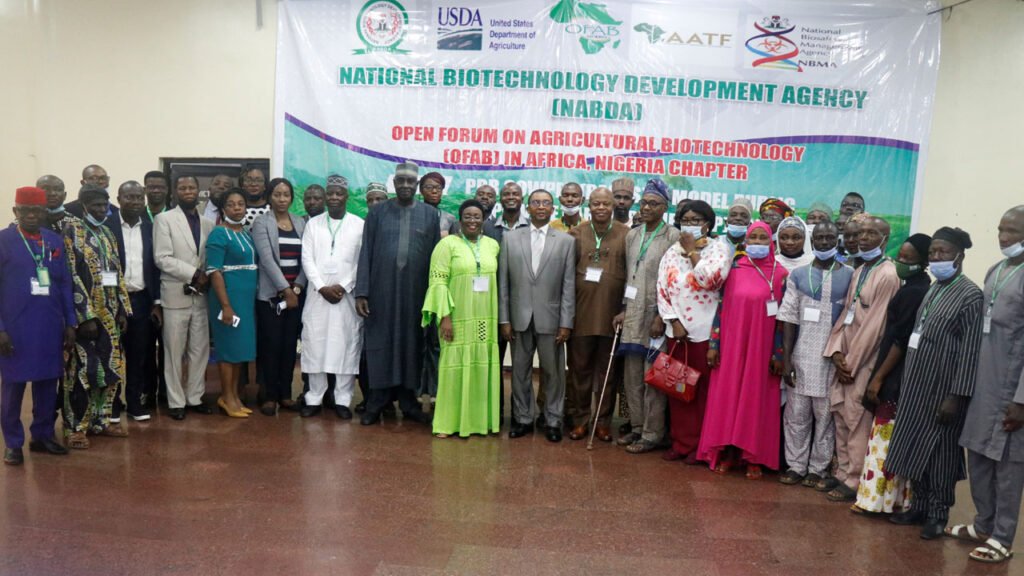
While the update represents a bold ambition, experts warn that realising the promise of biotechnology in Nigeria will require more than policy documents. For years, the sector has suffered from underfunding, inadequate infrastructure and weak links between research, industry and commercialisation.
Building labs, training researchers, establishing proper oversight, especially biosafety regulation, and ensuring public trust are all essential. Regulating modern tools such as gene editing or synthetic biology carries responsibility that must be matched by transparency, ethics and community engagement.
Moreover, the success of the revised policy will depend on coherence across government ministries, private sector participation, and sustained funding. Experts have urged a shift from occasional pronouncements to long-term commitment, to truly harness biotechnology as a transformative engine for national development.
For ordinary Nigerians, farmers, rural communities, and health-care users, the hope is that the policy review will yield tangible changes: safer, more resilient crops; access to locally produced medicines; and new job opportunities in biotech industries. But achieving that requires consistent follow-through and accountability.
As the workshop continues, all eyes will be on how well diverse stakeholders, government, researchers, the private sector, and civil society can converge around a shared vision. If successful, Nigeria’s updated biotechnology policy could mark the start of a new era, one where science, innovation and public interest come together to drive sustainable development.
Join Our Social Media Channels:
WhatsApp: NaijaEyes
Facebook: NaijaEyes
Twitter: NaijaEyes
Instagram: NaijaEyes
TikTok: NaijaEyes