Nigeria has issued a clear directive to global powers at the United Nations General Assembly, demanding the complete elimination of nuclear weapons to safeguard humanity.
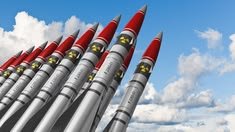
During a high-level summit in New York marking the International Day for the Total Elimination of Nuclear Weapons, Nigerian representatives warned that global stability remains dangerously fragile. Furthermore, national delegates emphasized that true peace cannot rely on mutual destruction or armed intimidation.
Backstory: A Decades-Long Policy of Regional Denuclearization
To appreciate Nigeria’s stance on global disarming, we must look at the nation’s historical diplomatic commitment. Ever since the early days of the Cold War, West African leaders recognized that nuclear proliferation posed a severe threat to developing nations.
Also read Trump Draws Red Line, Says We Won’t Let Iran Have Nuclear Weapons
In 1996, Nigeria took a central role in drafting the landmark Pelindaba Treaty. This agreement officially established Africa as a nuclear-weapon-free zone. Later in 2017, the country cemented its position by becoming one of the earliest signatories to the UN Treaty on the Prohibition of Nuclear Weapons. Ambassador Jimoh Ibrahim reinforced this historical precedent, urging nuclear-armed nations to abandon strategic deterrence doctrines in favor of permanent disarmament.
- 1996: Nigeria signs the Treaty of Pelindaba, establishing Africa as a nuclear-weapon-free zone.
- 2017: The nation ratifies the UN Treaty on the Prohibition of Nuclear Weapons.
- September 2026: Nigeria addresses the 81st Session of the UN General Assembly to demand total nuclear disarming.
Strengthening International Frameworks and Safeguarding Peace
Addressing world leaders, Nigerian diplomats argued that the continued stockpiling of warheads diverts crucial financial capital away from global poverty reduction and public health. Consequently, the delegation urged member states to channel scientific resources into peaceful applications, such as nuclear medicine and green power generation.
“Global security cannot continue to depend on weapons capable of destroying humanity,” the Nigerian delegation affirmed, calling on the UN Security Council to enforce non-proliferation protocols without bias.
In summary, Nigeria’s diplomatic position highlights the urgency of multilateral cooperation. By pressing major powers to dismantle their atomic arsenals, the nation continues its historic mission of advocating for sustainable international peace.