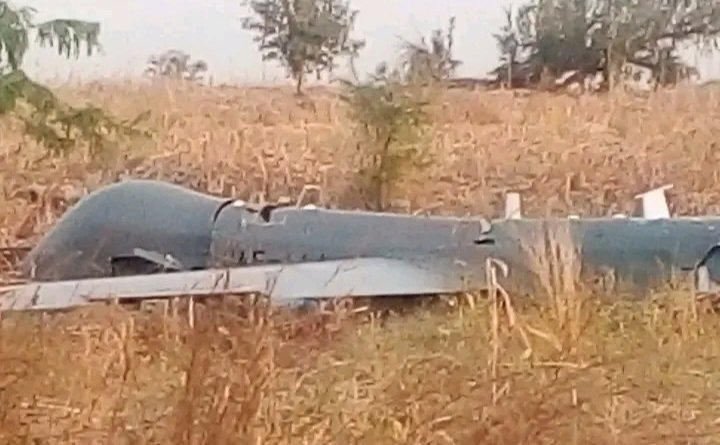
In a swift display of professionalism and operational control, the Nigerian Air Force has recovered one of its unmanned aerial vehicles after it temporarily lost communication during a routine counter-insurgency mission under Operation FASAN YAMMA. The development was confirmed in an official statement issued by the Air Force’s Director of Public Relations and Information, Air Commodore Ehimen Ejodame, on Friday in Abuja.
The Nigerian Air Force (NAF) said the incident occurred within Sector 3 of the operation area on 2 January 2026. The aerial platform was carrying out a scheduled task in support of ongoing efforts to degrade the capabilities of terrorists when the ground control station lost the communication link with the drone. Despite extensive attempts to re-establish contact, the link could not be restored, prompting the crew and ground controllers to activate pre-configured emergency procedures immediately.
Well-trained operators initiated return-to-base protocols in line with standard safety practices, and the NAF promptly coordinated a multi-agency response to trace and recover the unmanned aircraft. The Air Force worked with sister security services and relevant local authorities to locate and secure the drone, with teams confirming that the platform has since been contained.
In his statement, Air Commodore Ejodame reassured Nigerians that the event did not result in any casualties or damage to civilian properties. “There was no loss of life, and operations across all theatres continue uninterrupted,” he said, adding that the Service’s focus on national security remains resolute and professional.
Table of Contents
What Happened and How It Was Managed
The loss of link between the NAF ground control station and the drone triggered a rapid response from the Air Force. Once the team confirmed that attempts to restore communication had failed, established emergency procedures were invoked without hesitation. These protocols are designed to allow continued oversight of the aircraft in unpredictable situations and to bring it back safely or secure it on the ground if necessary.
Within minutes of the incident, coordinated efforts saw NAF technical teams work alongside security partners to pinpoint the drone’s whereabouts. The successful containment and recovery underscored the disciplined response structure within the Force, demonstrating that even when technology faces challenges, well-rehearsed contingency measures can prevent loss.
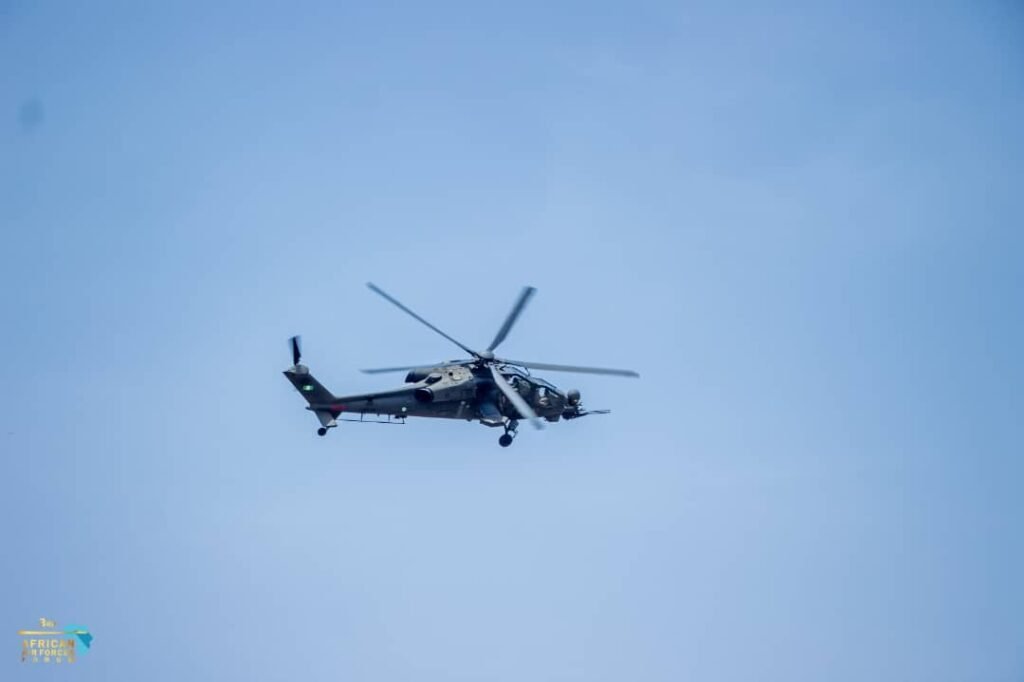
This particular UAV was part of a wider fleet deployed across various sectors in the fight against insurgency, banditry and other security threats. Drones play a critical role in modern air operations by offering Intelligence, Surveillance and Reconnaissance support, helping commanders make informed decisions while enhancing the safety of personnel on the ground.
NAF Emphasises Professionalism and Operational Continuity
The NAF statement emphasised that the incident has not disrupted military operations, with activities across all theatres continuing as planned. The Service reiterated its commitment to upholding operational effectiveness and maintaining rigorous safety standards in every mission assigned to its air assets.
“This occurrence is being thoroughly examined by our technical teams in line with established safety and operational protocols,” Air Commodore Ejodame said, noting that preliminary evaluations are already in progress. These evaluations aim to determine the exact cause of the loss of link and to implement measures that will prevent a recurrence in future missions.
Senior officers within the NAF have also used the incident to highlight the importance of continuous training and the integration of advanced technology with hands-on human expertise. In recent months, the Air Force has been investing in UAV operator training and further development of drone capabilities, reflecting a strategic shift towards precision warfare and improved situational awareness.
Significance for National Security and Future Operations
The recovery of this drone after a communication failure marks a significant operational milestone for the Nigerian Air Force. It demonstrates not only the resilience of the Force’s command and control systems but also the importance of having strong emergency response capacities embedded in routine operations.
Analysts say this successful recovery strengthens confidence in the employment of unmanned aerial systems within high-risk environments, especially as the NAF continues to refine its counter-insurgency strategies across the North West, North East and North Central regions of the country.
Despite the complexities of modern drone warfare, where technological glitches can sometimes signal loss of valuable equipment, the Nigerian Air Force’s handling of this situation sends a clear message about the professionalism of its personnel and the robustness of its operational protocols.
For ordinary Nigerians watching from the ground, these developments offer reassurance that the defence forces remain vigilant and adaptive even in the face of challenges. As the nation grapples with evolving security threats, the ability of the Air Force to manage and recover critical assets ensures that national defence efforts remain both dynamic and uninterrupted.
The NAF has reaffirmed its commitment to protecting the country’s airspace and supporting ground troops with technology-driven tools, maintaining that its constitutional duties will be carried out with unwavering dedication and strategic foresight.
Join Our Social Media Channels:
WhatsApp: NaijaEyes
Facebook: NaijaEyes
Twitter: NaijaEyes
Instagram: NaijaEyes
TikTok: NaijaEyes