Nigeria’s education system stands at a critical turning point as digital learning continues to reshape classrooms across the world. Yet, despite growing awareness and the push for modern teaching methods, most schools across the country remain far from ready to fully adopt blended learning. This gap is not just about technology. It reflects deeper structural, economic, and human capacity challenges that continue to slow progress in a rapidly evolving global education landscape.
Blended learning, which combines traditional face-to-face teaching with digital instruction, promises flexibility, improved engagement, and wider access to knowledge. However, for many Nigerian schools, this model remains more of an aspiration than a reality.
Table of Contents
Infrastructure Deficit Remains the Biggest Barrier
At the heart of the problem lies a persistent infrastructure gap that affects both public and private schools. Many institutions still struggle with basic facilities such as reliable electricity, functional classrooms, and access to digital tools. Without these essentials, the transition to blended learning becomes extremely difficult.
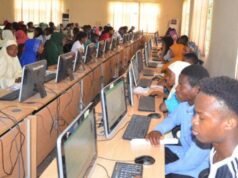
Studies on Nigeria’s education system consistently point to inadequate infrastructure as a major obstacle. Schools lack computers, stable internet connectivity, and modern learning management systems required for online instruction. Even where devices are available, an inconsistent power supply disrupts teaching and learning activities, making digital integration unreliable.
In rural areas, the situation is even more challenging. Limited network coverage means students cannot consistently access online materials, while teachers are unable to deliver virtual lessons effectively. This digital divide continues to widen the gap between urban and rural education outcomes.
Digital Literacy Gap Among Teachers and Students
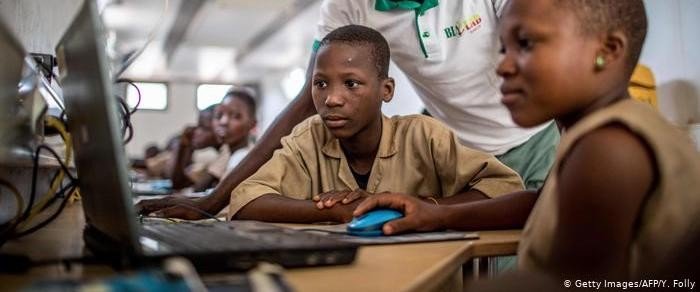
Another major issue is the lack of digital skills among both educators and learners. Blended learning requires a level of technological competence that many teachers have not yet developed.
Research shows that a significant number of students and teachers in Nigeria have low digital literacy, making it difficult for them to engage effectively with online platforms. Many educators are still more comfortable with traditional teaching methods and may struggle to adapt lesson plans for digital delivery.
Training opportunities are also limited. While some private institutions invest in staff development, many public schools lack structured programmes to equip teachers with the necessary skills. As a result, even when technology is introduced, it is often underutilised or misapplied.
Students face similar challenges. Without proper guidance, many struggle with self-directed learning, time management, and navigating digital tools, all of which are essential for success in a blended learning environment.
Funding Constraints and Policy Gaps
Funding remains a long-standing issue in Nigeria’s education sector. Blended learning requires significant investment in infrastructure, training, and maintenance. However, many schools operate on limited budgets that barely cover basic needs.
Educational research highlights inadequate funding and poor policy implementation as key factors affecting the overall quality of education in Nigeria. These same issues directly impact the adoption of blended learning.
Government policies supporting digital education often lack clear implementation strategies. In some cases, initiatives are launched without sustained funding or monitoring, leading to short-lived impact. Schools are left to figure out how to integrate technology on their own, often without the resources or expertise required.
Private schools may be better positioned to experiment with blended learning, but even they face cost pressures, especially when it comes to maintaining digital infrastructure and subscribing to educational platforms.
Cultural Resistance and Learning Behaviour Challenges
Beyond infrastructure and funding, there is also a cultural dimension to the slow adoption of blended learning in Nigeria. Traditional classroom teaching remains deeply rooted, and many stakeholders still view physical presence as the most effective form of learning.
Parents, in particular, may be sceptical about online education, especially at the primary and secondary levels. Concerns about screen time, distractions, and the quality of virtual instruction often influence their perception.
Students also face behavioural challenges. Blended learning requires discipline, independence, and motivation. However, studies have identified issues such as low participation in online classes, scheduling conflicts, and reduced engagement when learning remotely.
These challenges highlight the need for a gradual transition that includes proper orientation for students, parents, and teachers alike.
The Way Forward for Nigerian Schools
Despite these challenges, the potential benefits of blended learning cannot be ignored. Evidence from studies in Nigeria shows that when properly implemented, blended learning can improve student engagement and academic performance.
To move forward, a coordinated approach is required. Investment in infrastructure must be prioritised, especially in underserved areas. Reliable electricity and internet access are non-negotiable foundations for any digital learning initiative.
Teacher training is equally critical. Continuous professional development programmes can help educators build confidence and competence in using digital tools. Partnerships with technology companies and educational platforms may also provide cost-effective solutions.
Policy makers must go beyond announcements and focus on implementation. Clear frameworks, accountability measures, and sustained funding will be essential to drive real change.
At the same time, awareness campaigns can help shift perceptions about blended learning. When parents and students understand its benefits and limitations, they are more likely to embrace the model.
Ultimately, the readiness of Nigerian schools for blended learning is not just a question of technology. It is about systems, people, and priorities. Until these elements are aligned, the dream of a fully integrated digital learning environment will remain out of reach for many schools across the country.
Join Our Social Media Channels:
WhatsApp: NaijaEyes
Facebook: NaijaEyes
Twitter: NaijaEyes
Instagram: NaijaEyes
TikTok: NaijaEyes
READ THE LATEST EDUCATION NEWS