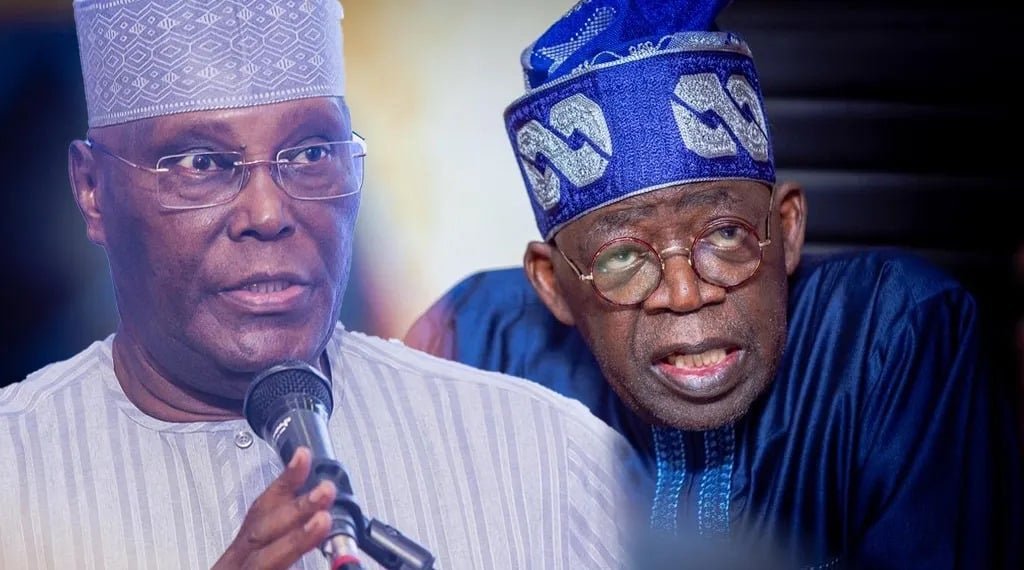
In a powerful public statement on Sunday, former Vice President Atiku Abubakar raised serious concerns about the treatment of Nigerian students enrolled in foreign universities under the long-standing Bilateral Education Agreement (BEA). Atiku’s allegation is that the Tinubu administration has effectively dismantled an international educational partnership that once offered hope and opportunity to thousands of young Nigerians, leaving many stranded overseas without stipend support or clear direction from the government.
At the heart of this controversy is a programme that provided undergraduate and postgraduate training through cooperation with partner nations such as China, Russia, Morocco and Hungary. Established in 1993 and reinvigorated in 1999, the BEA has historically been a cornerstone of Nigeria’s effort to develop human capital and strengthen diplomatic ties. Today, according to Atiku, that strategic commitment is in jeopardy.

Table of Contents
Diplomatic Promise to Distress: The BEA’s Decline
Atiku’s statement detailed what he described as a quiet but profound shift in policy by the current government. What was initially presented as a temporary suspension of the BEA scholarship programme soon evolved, he said, into what he termed “outright abandonment.” This pivot, he claims, left many students already in the midst of their academic programmes unaware of the impending collapse of the support structure they had relied on for months or years.
According to the former vice president, the consequences for these students have been severe. He said that stipends which were once adequate for living expenses were first reduced and then entirely halted. Between September and December 2023, stipends were reportedly unpaid. In 2024, they were slashed from $500 to $220 per month before being entirely discontinued. There were no payments at all in 2025, Atiku noted.
Atiku lamented that the human cost of this policy shift has been devastating. Many students, he said, have been plunged into hunger, rent arrears and emotional stress as they struggle to cover basic expenses without support. In a particularly grim illustration, he cited the reported death of a Nigerian student in Morocco in November of last year after months of hardship.

A Broken Pact and Calls for Accountability
The BEA was more than a financial aid scheme; it was a diplomatic bridge designed to foster collaboration and mutual growth between Nigeria and its partner countries. Atiku argued that the failure to properly communicate or manage the suspension of the programme has eroded trust and left students feeling abandoned by their own country.
In his statement, Atiku urged the government to settle the outstanding stipends owed to students, which he estimates to be more than $6,000 per beneficiary, a financial obligation he insists should be honoured in full. He stressed that the plight of these young scholars should not be treated as a mere administrative inconvenience.
Parents and students have held protests in Abuja, gathering at the Ministries of Education and Finance to demand government intervention. Their grievances, however, have largely gone unanswered, adding to the sense of frustration and abandonment. According to Atiku, even the minister’s reported suggestion that students who were “fed up” could return home added insult to injury, reducing years of academic effort to an administrative footnote.
Broader Implications for Nigeria’s Educational Goals
The BEA controversy has reignited national discussions about the importance of sustained investment in education. Many Nigerians view the programme as critical to producing professionals who can contribute to national development goals once they return home. The disappearance of such a programme raises questions about the priorities of the current government and its commitment to long-term capacity building.
Critics argue that withdrawing support for the BEA undermines the dreams and aspirations of young Nigerians who sought world-class education in fields like medicine, engineering and science. The hardships these students now face abroad can have ripple effects on morale, productivity and Nigeria’s image on the international stage.
In the public sphere, many have voiced concerns that the government’s actions could deter future participation in international educational programmes and weaken diplomatic ties with partner countries that participated in the BEA. These agreements were once seen as strategic investments in Nigeria’s future workforce and leadership.
What Comes Next?
As this story continues to unfold, all eyes are on both the Federal Ministry of Education and the Ministry of Finance for tangible responses and remedial action. Stakeholders across the education sector are calling for urgent dialogue between the government and the affected families, with many urging transparency on how outstanding stipends will be resolved.
The government has previously responded to similar claims by dismissing reports of abandonment as misleading, stating that payments due under the BEA would continue and that delays were the result of fiscal constraints. However, critics remain sceptical, pointing to the absence of payments throughout 2025 as evidence that support has effectively ceased.
For the students caught in this predicament, the focus is not only on financial restitution but on reassurance that their nation still values their contribution and future. The outcome of this dispute may well shape Nigeria’s educational and diplomatic policies in the years ahead.
Atiku’s allegations have sparked a broader conversation about governance, accountability and the role of education in national development. Many Nigerians are now watching closely as leaders on all sides grapple with the human, economic and diplomatic ramifications of this unfolding situation.
Join Our Social Media Channels:
WhatsApp: NaijaEyes
Facebook: NaijaEyes
Twitter: NaijaEyes
Instagram: NaijaEyes
TikTok: NaijaEyes
READ THE LATEST EDUCATION NEWS