
Nigeria’s rapid growth in artificial intelligence (AI) use is impressive, but behind the headlines lies a deeper truth. While millions of Nigerians interact with AI daily through chatbots and learning tools, the country still struggles to harness this powerful technology in ways that truly resonate with its economy, culture, and unique challenges. Experts and industry leaders convening at a major tech conference in Lagos are calling for a new direction in AI development—one that is grounded in Nigeria’s context, rooted in local data, and shaped by the real needs of its people and businesses.

Table of Contents
A Technology Surge Meets Local Needs
Artificial intelligence has quickly become woven into everyday life in Nigeria. Recent surveys show that over nine out of ten adults use AI to explore complex topics online, while almost nine in ten have engaged with an AI chatbot, a rate well above global averages. Yet this widespread individual adoption masks a far more complex picture when it comes to AI’s role in the economy, in business operations, and in public services.
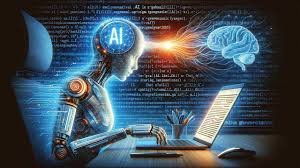
At the heart of the discussion in Lagos was the concept of “contextual AI.” This refers to AI systems designed from the ground up for Nigeria’s social, economic, and cultural environment, rather than those imported from abroad without adaptation. Debola Ibiyode, lead organiser of the “AI in Action Now” forum, made it clear that using foreign-made AI solutions—often developed for European or American contexts—limits how well they can serve local needs.
For example, data from global AI tools often misses the nuances of how Nigerians speak, work, and live. Models trained on foreign datasets might misinterpret local languages like Pidgin English or struggle with the informal economic patterns that characterise much of Nigerian commerce. Experts warn that this leads not only to inefficiencies but also to AI systems that fail to understand the lived experiences of Nigerians.
The Gap Between Use and Business Impact
Despite personal usage levels that rival or exceed many parts of the world, businesses in Nigeria are only beginning to explore AI’s true potential. Dotun Adeoye, co-founder of a local AI initiative, said that while Nigeria has “high adoption of large language models,” genuine integration of AI into core business functions remains shallow. That means many companies are experimenting with tools without yet using them to transform processes or improve service delivery.
This gap highlights a broader opportunity. Local entrepreneurs and investors who can build AI products tailored to Nigerian industries could significantly boost efficiency, competitiveness, and innovation. Whether in finance, healthcare, logistics, or agriculture, contextual AI systems can offer smarter solutions that understand local market dynamics.
However, the path forward is not without obstacles. Nigeria’s infrastructure continues to lag behind the needs of modern AI development. Advanced computing, reliable power supplies, and AI‑ready data centres are still limited, making it difficult for local companies to build and deploy large models at scale. Experts have noted that while there are cloud services available, purpose‑built facilities capable of supporting high‑performance AI workloads are still years away from reality.
The Importance of Ethical and Responsible AI
Alongside development challenges, Nigeria’s AI ecosystem faces pressing questions about ethics, governance, and data protection. Rapid innovation without proper regulatory frameworks could expose individuals and organisations to risks such as privacy breaches and misuse of personal information.
One particular concern raised by local AI leaders is the phenomenon of “shadow AI.” This refers to the practice of individuals or organisations uploading sensitive documents or customer data to AI tools without safeguards or formal oversight. Such practices can expose confidential data and violate consent rules.
Regulators like the Nigeria Data Protection Commission (NDPC) are beginning to pay closer attention to these issues, stepping up enforcement actions and stressing the importance of data governance. The goal is to strike a balance where innovation continues to flourish without compromising individuals’ rights or national security.
Public‑private partnerships are another key theme in the discussion. Government officials argue that while the state plays a crucial role in setting policies and standards, private companies with technical expertise should lead the development and implementation of AI solutions that directly impact citizens’ lives. Such collaboration can help ensure that AI supports economic growth and social development without unnecessary bureaucratic hurdles.
Building a Future for Contextual AI
Looking ahead, Nigeria stands at a pivotal moment in its technological evolution. The nation’s young, tech‑savvy population is enthusiastic about AI, and local talent is increasingly engaged in building innovative solutions. The foundational work being done by startups, research teams, and collaborative tech networks signals that Nigeria is not positioned simply as a consumer of imported technologies but as an emerging creator of tools that can reshape its own future.
However, to fully realise this potential, action is needed on several fronts. Investment in data infrastructure must be a priority, including the establishment of data centres capable of supporting the demands of modern AI systems. Local datasets must be expanded and cleaned to reflect Nigeria’s languages, customs, and socioeconomic patterns accurately. Educational institutions and training programmes should align with industry needs to bridge gaps in skills and practical experience.
At the same time, policymakers must continue to refine regulations that protect citizens without stifling innovation. Nigeria’s approach can serve as a model for other African nations facing similar tensions between rapid AI adoption and the need for responsible governance.
The story of AI in Nigeria is not one of lagging behind. It is a narrative of potential and transformation, anchored by a clear call for technology that understands the people it serves. If the country can build AI systems that reflect its unique realities, the rewards could be profound—boosting economic growth, improving public services, and empowering communities across Nigeria.
The need for contextual AI development is not just a technical requirement. It is a strategic choice that shapes how Nigeria will harness the power of this transformative technology in the decades to come.
Join Our Social Media Channels:
WhatsApp: NaijaEyes
Facebook: NaijaEyes
Twitter: NaijaEyes
Instagram: NaijaEyes
TikTok: NaijaEyes