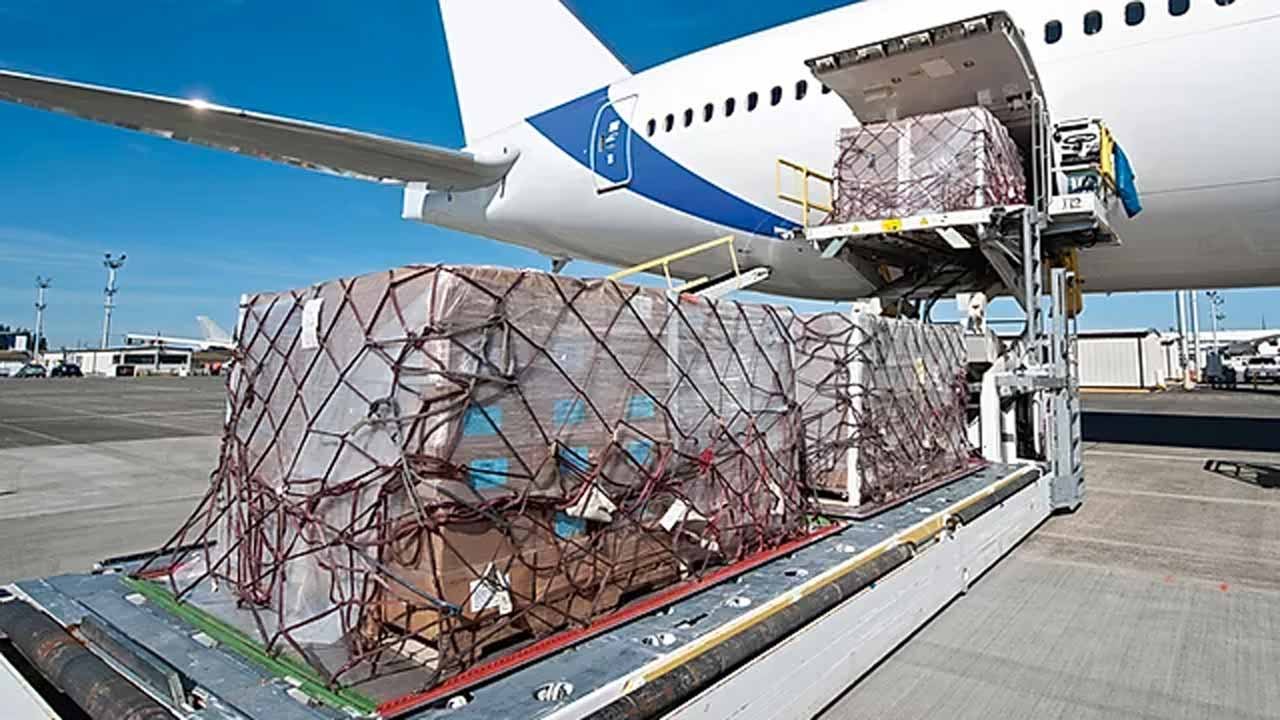
Over the past few years, Nigeria’s air freight sector has moved from being a niche part of the logistics industry to one of its most dynamic engines. Industry experts estimate that the market is now worth more than $8 billion in annual value, and this number is set to grow as consumer behaviours change and more Nigerian businesses enter the global trading arena.
At the centre of this transformation is the rapid rise in e-commerce activity and the growing participation of small and medium-sized enterprises (SMEs) in international trade. Speaking in an exclusive interview, Faisal Jarmakani, the Managing Director of Aramex Nigeria, said these two trends are reshaping how cargo moves across Nigeria’s borders and within the country.
Nigeria’s air freight market has long been anchored in hubs like Lagos, Abuja, Port Harcourt, and Kano, with Lagos handling most of the cargo volumes thanks to its strong trade links and international connectivity. But what was once the preserve of large multinationals and traditional importers is increasingly being driven by digital commerce and nimble local businesses that need fast delivery times and reliable logistics support.
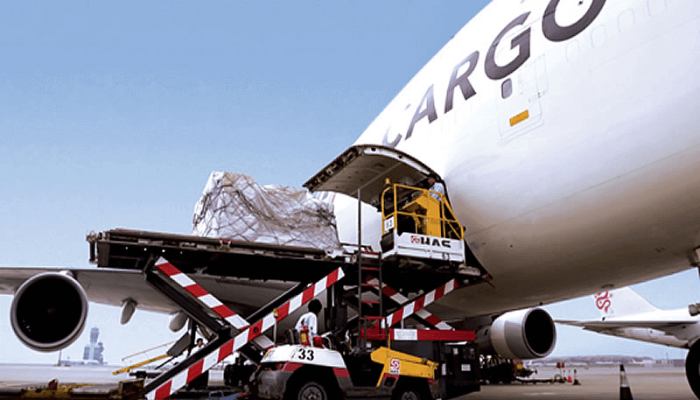
How E-Commerce and SMEs Are Fueling Air Cargo Demand
E-commerce in Nigeria has evolved rapidly thanks to widespread mobile internet use and the growth of online retail platforms. More Nigerians are now shopping online for everything from fashion to electronics, and this has created an urgent need for efficient delivery systems that can satisfy customer expectations for speed and transparency.
SMEs have also played a major role in driving demand. These businesses are increasingly engaging in cross-border trade, sourcing goods internationally and selling them locally or exporting home-grown products to global markets. Air freight has become essential for them because it delivers shorter transit times and supports the movement of higher-value goods that would be difficult to transport overland.
Jarmakani highlighted that both business-to-business (B2B) and consumer-to-consumer (C2C) flows are growing fast. Diaspora-linked shipments from the UK, Europe and North America into Nigeria also contribute significantly to this trend, especially as Nigerians abroad send goods home or buy products to be delivered directly to recipients.
Challenges in Air Freight Logistics and Potential Solutions
Despite the optimism around demand, Nigeria’s air freight sector still faces significant structural issues that affect its efficiency and cost competitiveness. One of the biggest hurdles is operational inefficiency at cargo terminals. Multiple clearance steps, overlapping regulatory agencies, and poor integration of digital systems all contribute to slow turnaround times for incoming and outgoing cargo.
For comparison purposes, in markets like the United Arab Emirates, cargo that lands in the morning can be delivered by the afternoon thanks to streamlined processes and digitised systems. Nigeria has made some progress in recent years, but there is still a long way to go before the sector reaches similar levels of efficiency.
Another major constraint is the cost of handling and delivery. Nigeria remains relatively expensive compared to neighbouring West African hubs, driving some companies to use those alternative locations to reduce costs. Addressing these pricing issues will be critical if the country wants to retain its position as the logistics hub of West Africa.
Last-mile delivery challenges also remain stubborn. Poor address systems, failed deliveries, and gaps in real-time tracking continue to frustrate businesses and consumers alike. Investments in technology that improve logistics visibility, address validation and delivery tracking could go a long way in smoothing out these rough edges.
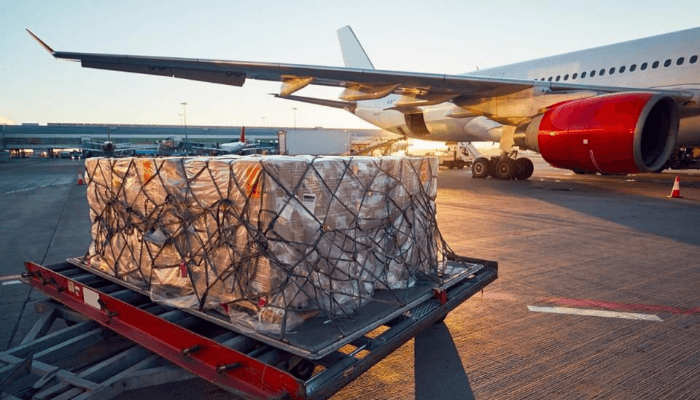
Busiest Cargo Routes and Logistics Coordination
Looking at the specific corridors that are most active, Aramex identifies inbound cargo from China, the United States, and the UK as consistently busy. These routes support both SMEs sourcing products and the flow of goods that appeal to Nigeria’s growing e-commerce audience.
Within Nigeria, Lagos serves as the central hub from which goods are distributed to major commercial cities such as Abuja, Port Harcourt and Kano. Partnerships with mid-mile and last-mile operators have allowed logistics firms to scale operations without heavy investment in their own fleets, helping to distribute cargo more effectively across Nigeria’s urban and peri-urban centres.
Coordination between air freight and other transport modes like heavy goods vehicles and motorbike couriers is also crucial. This multimodal integration ensures cargo moves smoothly from airports to local destinations, maintaining the pace needed by online sellers and exporters.
Warehousing, Fulfilment and the Next Phase of Growth
One of the deeper issues in the logistics chain is the gap between cargo arrival and final delivery. After flights land and customs clearance is completed, cargo can be delayed due to a shortage of well-run, technology-enabled warehouses. This results in slow inventory processing, poor visibility and bottlenecks before goods even reach delivery networks.
Aramex is responding to this challenge by investing in warehousing facilities and fulfilment capabilities across strategic locations. These improvements include training staff, adopting better operational tools and expanding storage capacity to serve the growing needs of e-commerce businesses. This approach not only helps speed up deliveries but also supports Nigeria’s ambitions to become a regional logistics leader.
Technology as a Catalyst for Logistics Efficiency
Technology plays a critical role in improving performance across the air freight sector. Firms are increasingly using real-time tracking systems that provide visibility into the movement of goods from origin to destination. These tools help companies manage customer expectations, reduce uncertainty and enhance trust in delivery processes.
Route optimisation and address validation technologies are helping reduce delivery times and minimise failed delivery attempts. When combined with advanced customer support infrastructure, these tools create a more seamless experience for both businesses and individual consumers.
These technology investments also support important administrative tasks like documentation and customs compliance. Digital systems that integrate seamlessly with regulatory bodies can cut processing times and reduce errors that often hinder smooth cargo movement.
Looking Ahead: Nigeria’s Logistics Evolution
As the year unfolds, expectations are that Nigeria’s air freight and logistics sector will continue its steady growth trajectory. But tomorrow’s success will depend not just on volume, but on how well the industry improves its capabilities, reliability and infrastructure maturity.
Ongoing upgrades at major airports, especially Lagos, are crucial for expanding capacity and improving efficiency. These improvements will support not only imports but also exports from SMEs in sectors such as fashion, agriculture and food products, where timely delivery is essential to maintaining product quality.
Global logistics firms like Aramex are positioning themselves as partners in this journey. Their efforts to invest in infrastructure, build a skilled workforce and provide advanced logistics solutions aim to help Nigerian businesses connect more reliably with regional and global markets.
There is a strong narrative emerging from these developments: Nigeria has immense economic potential thanks to its entrepreneurial spirit and growing digital economy. With continued focus on logistics innovation, infrastructure investment and regulatory improvements, the country stands poised to become a more competitive player in international trade.
The air freight market is no longer just a supporting actor in Nigeria’s commerce story. It is quickly becoming a leading force driving economic growth, opening up opportunities for businesses of all sizes and redefining how goods move within and beyond the nation’s borders. Continued collaboration between logistics firms, technology providers, regulatory bodies and business owners will be essential to unlocking the full potential of this thriving market.
Join Our Social Media Channels:
WhatsApp: NaijaEyes
Facebook: NaijaEyes
Twitter: NaijaEyes
Instagram: NaijaEyes
TikTok: NaijaEyes
READ THE LATEST EDUCATION NEWS