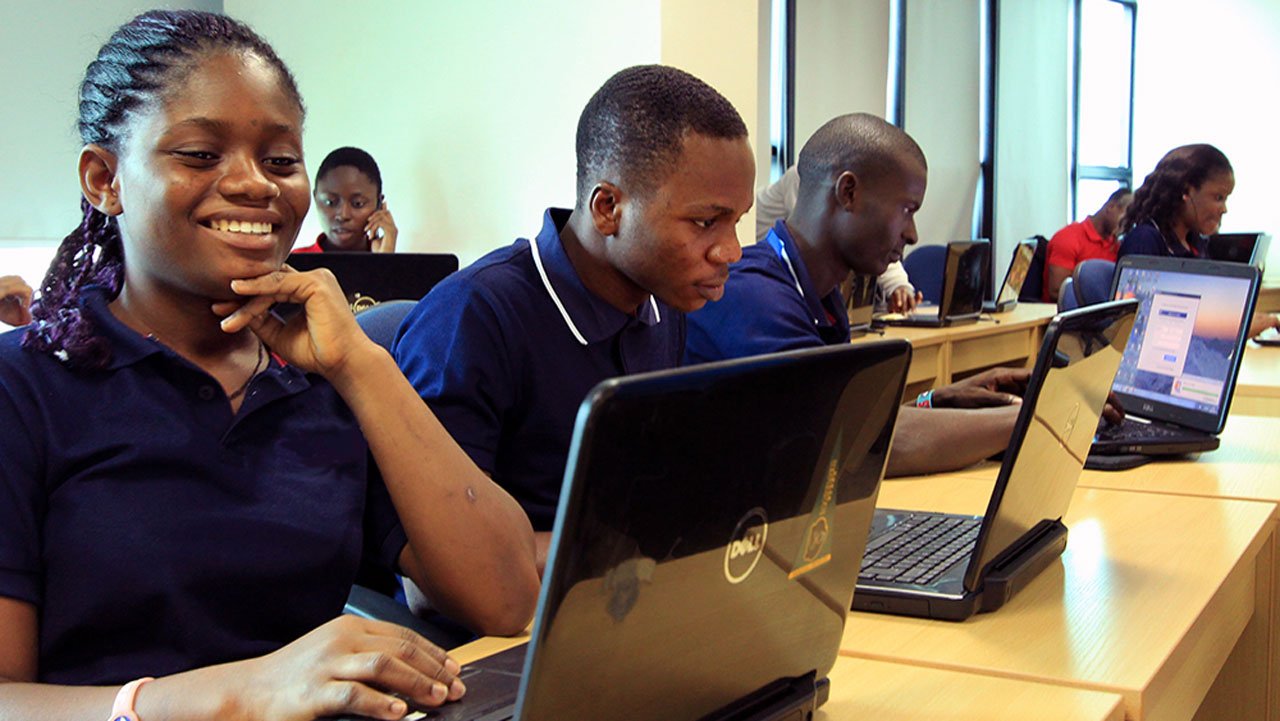
Across Nigeria, the conversation around education is changing shape. Talk has turned from chalkboards and classrooms to laptops, online platforms, and digital skill sets. Policy papers and public speeches paint a picture of a nation poised to harness technology for learning and economic growth. A National ICT Policy promises connectivity, a National Skills Qualification Framework suggests pathways to future jobs, and digital literacy campaigns aim to prepare young Nigerians for a technology-driven world. On the surface, the vision seems bold. In daily life, however, the reality looks very different.
Table of Contents

Deep Divide Between Policy and Reality
Nigeria’s strategic documents read like a blueprint for 21st century education. Yet many of these plans assume conditions that simply do not exist for the majority of learners in the country. In practice, the difference between aspiration and implementation is stark. Schools in urban centres may boast smart classrooms and internet access. In contrast, many rural communities still struggle with unreliable electricity and no meaningful internet connectivity at all. When policies assume a baseline of infrastructure that isn’t present nationwide, they risk widening inequality rather than closing it.
This digital divide is not just technical. It shapes who gets access to opportunity and who does not. What is labelled as inclusive could, in effect, reinforce existing advantages for students in wealthier states while leaving others further behind. A “national” policy that works only where technology already exists cannot be said to serve the nation as a whole.
The infrastructure gap is compounded by broader issues within the education system. Nigeria’s schools do not simply lack devices; they often lack the basic conditions necessary to use digital tools effectively. Stable power, reliable broadband and regular maintenance are essential foundations that many communities still await. Without them, even well-meaning initiatives can find themselves confined to strategy papers rather than classrooms.

Skills Mismatch and Curriculum Lag
Another significant challenge lies in the mismatch between what the education system produces and what the job market demands. Universities and polytechnics across Nigeria graduate large numbers of computer science and information technology students each year. Yet a recurring complaint from employers is that these graduates are not job-ready. They may hold certificates but lack the practical skills and problem-solving capabilities that today’s workplaces require.
Part of the problem is that curricula have not kept pace with rapid technological change. Fields such as data analytics, cybersecurity, artificial intelligence practice and product design are emerging as critical drivers of the global economy. In many Nigerian programmes, these topics are still at the margins rather than at the core. Practical training, industry engagement and hands-on experience remain limited, leaving students underprepared for real-world challenges.
At the same time, employers often expect new graduates to be fully productive from day one without investing in training themselves. This expectation places the entire burden of skills development on schools and colleges, even though the private sector is a key stakeholder in talent cultivation. The result is a shared failure: educational institutions resistant to reform, regulators slow to update standards, and industry actors unwilling to contribute to structured training pipelines.
Human Capacity and Teacher Preparedness
Even where digital tools are available, their impact is limited without teachers who know how to use them effectively. Nigeria has invested in devices and pilot digital classrooms, but hardware alone cannot substitute for human capability. Many educators have not received sustained professional development in how to integrate technology into pedagogy in meaningful ways. Without this support, gadgets can become expensive classroom decorations rather than tools for enhanced learning.
Teacher training remains a vital but under-resourced component of digital education planning. The success of programmes depends on educators who are confident with technology, able to design interactive lessons and comfortable guiding students through online resources. As of now, these capabilities are unevenly distributed, with many teachers still stuck in traditional methods that do not leverage the potential of digital tools.
Low morale in the teaching profession also plays a role. With poor pay, limited incentives and constrained career progression, public educators often lack motivation and support to champion digital transformation within schools. If teachers feel marginalised, the broader goals of reform are undermined at the most fundamental level.
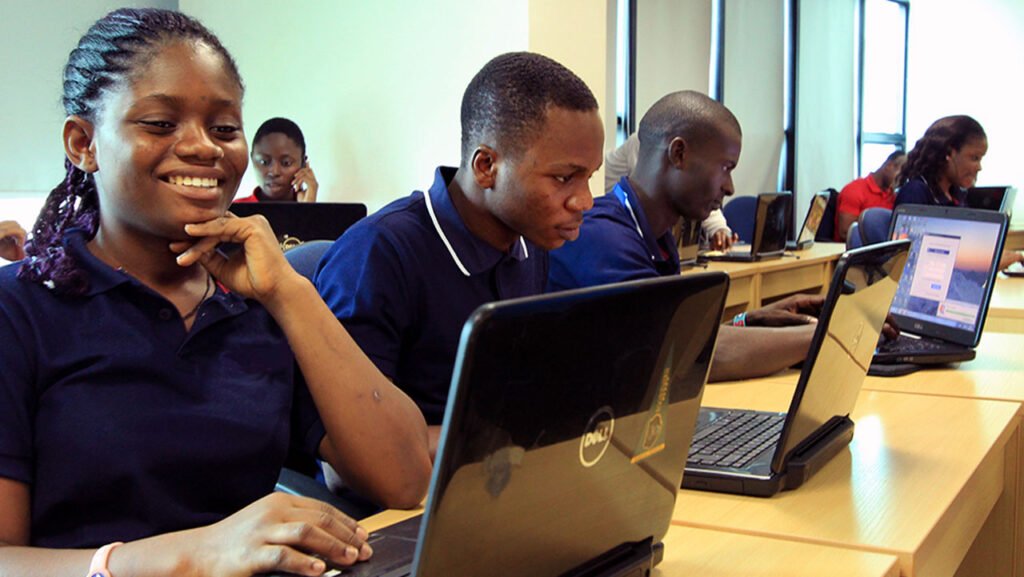
The Path Forward: Equity, Partnerships, and Ethics
Despite these challenges, there is real potential in Nigeria’s digital education ambitions. The country’s youth population is one of its greatest assets, and innovative minds are creating platforms, startups and informal learning networks that respond to local needs. This entrepreneurial energy shows that demand for digital education exists and is vibrant outside formal policy spheres.
For Nigeria to close the gap between digital promise and reality, three strategic shifts are essential. First, policy must move beyond uniform ambition to targeted action. Equity means recognising that different regions start from different baselines. Areas with minimal connectivity require investment in foundational infrastructure before advanced programmes on topics like artificial intelligence become meaningful.
Second, collaboration between the public and private sectors must become more substantive. Genuine partnerships involve co-designing curricula, offering apprenticeships and establishing long-term talent pipelines. Memoranda of understanding alone do not constitute partnership if they lack clear standards, accountability and alignment with national needs.
Third, ethics must be embedded in Nigeria’s digital strategy. As technology enters classrooms and workplaces, the nation cannot afford to import systems that reproduce bias, violate privacy or deepen exclusion. Ethical considerations should be a core part of how technology is adopted and regulated, ensuring that innovation serves society rather than undermining it.
The path ahead is not easy, but it is vital. If policymakers, educators and industry leaders can align their efforts on infrastructure, skills and ethical deployment, digital learning can become a tool for national development rather than a symbol of unfulfilled promise. For too long, promises of digital transformation have lived mainly on paper. It is time for them to take shape in classrooms, homes and workplaces across every part of Nigeria.
Nigeria’s digital education challenges will define the future of its young population and, by extension, the nation’s competitiveness. Addressing infrastructure gaps, improving teacher capacity and building meaningful partnerships are not optional extras but essential steps toward inclusive growth.
Join Our Social Media Channels:
WhatsApp: NaijaEyes
Facebook: NaijaEyes
Twitter: NaijaEyes
Instagram: NaijaEyes
TikTok: NaijaEyes