Nigeria’s journey towards a fully digital economy is at a defining moment, and according to industry leaders, the direction it takes will depend largely on how well the country embraces its own homegrown technological capabilities. At the centre of this conversation is DeRemi Atanda, Managing Director of Remita Payment Services Limited, who has made a compelling case for why indigenous innovation must move from the margins to the mainstream of national development.
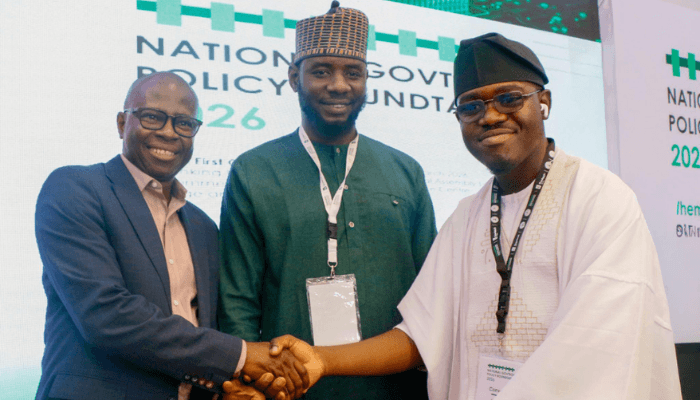
Speaking at the National GovTech Policy Roundtable 2026 in Abuja, Atanda’s message was clear and urgent. Nigeria cannot afford to build its digital future on borrowed systems, fragmented policies, or externally driven priorities. Instead, the country must deliberately invest in its own talent, companies, and ideas if it hopes to achieve sustainable digital transformation.
Indigenous Innovation as the Backbone of Digital Growth
At the heart of Atanda’s argument is a simple but powerful idea: Nigeria already has what it takes. The country’s private sector, particularly in technology, has consistently demonstrated the capacity to design and deploy solutions at scale. From payment infrastructure to government systems, local firms have quietly powered some of the most critical digital frameworks in the country.
One example often referenced is the success of indigenous companies in delivering complex national systems under global standards. Projects like the Integrated Payroll and Personnel Information System showed that Nigerian firms can compete internationally and even outperform foreign counterparts when given the opportunity.
Yet, despite these achievements, Atanda pointed out that Nigeria has not fully recognised or amplified these success stories. This lack of recognition has contributed to a persistent bias towards foreign technology solutions, even in areas where local expertise is strong and proven.
For Atanda, this mindset must change. He stressed that indigenous innovation is not just about national pride. It is about economic resilience, job creation, and long-term sustainability. When local companies are empowered, the value created stays within the economy, strengthening both institutions and communities.
Policy Gaps and the Need for a Unified Digital Strategy
While Nigeria’s digital ambitions are clear, the pathway to achieving them remains fragmented. Atanda highlighted the absence of a cohesive national technology architecture as one of the biggest obstacles to progress.
According to him, too many systems operate in silos, with little coordination across government agencies and sectors. This fragmentation leads to inefficiencies, duplication of efforts, and missed opportunities for scale.
He raised critical questions that go to the core of Nigeria’s digital challenge: Who is responsible for defining the country’s technology architecture? Where is the unified framework that guides how digital systems should interact and evolve?
These are not just technical concerns. They are governance issues that affect how citizens experience public services. Without alignment, even the most advanced technologies can fail to deliver meaningful impact.
Atanda therefore called for a deliberate and coordinated national strategy that brings together policy, infrastructure, and innovation. Such a strategy, he argued, must prioritise clarity, consistency, and collaboration across all levels of government.

Rethinking Procurement and Embracing a Nigeria First Approach
Another critical issue raised at the roundtable was the way Nigeria procures technology. Atanda advocated for a shift towards a more structured and locally driven procurement model that prioritises indigenous solutions.
He noted that existing policies, including local content frameworks, already provide a foundation for this approach. However, implementation has been inconsistent, and in many cases, government agencies still default to foreign vendors without fully exploring local alternatives.
A Nigeria first approach to technology procurement does not mean shutting out global expertise. Instead, it means ensuring that local companies are given fair opportunities to compete and contribute. It also involves building partnerships that transfer knowledge and strengthen domestic capacity over time.
Atanda emphasised that Nigeria possesses both the human capital and institutional capability needed to drive its digital transformation. The challenge lies in harnessing these resources effectively and aligning them with national priorities.
Building a Citizen Centred Digital Future
Beyond infrastructure and policy, the ultimate goal of digital transformation is to improve the lives of citizens. This point was echoed strongly during the roundtable, where stakeholders emphasised that technology should not be an end in itself.
Instead, success should be measured by how accessible, responsive, and trustworthy government services become. Digital systems must simplify processes, reduce inefficiencies, and enhance transparency in ways that directly benefit Nigerians.
Atanda’s perspective aligns with a broader shift towards what many describe as digital-first governance. This approach places citizens at the centre of decision-making, ensuring that technology solutions are designed with real needs in mind.
However, achieving this vision requires more than good intentions. It demands sustained investment, strong institutions, and a willingness to rethink traditional approaches to governance and service delivery.

A Defining Moment for Nigeria’s Digital Economy
Nigeria stands at a crossroads. With a young population, a growing tech ecosystem, and increasing global relevance, the country has all the ingredients needed to become a major digital powerhouse.
Initiatives like the 3 Million Technical Talent programme are already working to build the skills base required for this future, aiming to position Nigeria as a global exporter of digital talent.
But as Atanda’s remarks make clear, talent alone is not enough. Without a supportive ecosystem that prioritises indigenous innovation, much of this potential could remain untapped.
The choices Nigeria makes today will shape its digital trajectory for decades to come. Will it continue to rely heavily on imported systems, or will it take bold steps to develop and scale its own solutions?
For Atanda and many others in the industry, the answer is obvious. Nigeria’s digital future must be built by Nigerians, for Nigerians. Anything less would be a missed opportunity of historic proportions.
Join Our Social Media Channels:
WhatsApp: NaijaEyes
Facebook: NaijaEyes
Twitter: NaijaEyes
Instagram: NaijaEyes
TikTok: NaijaEyes