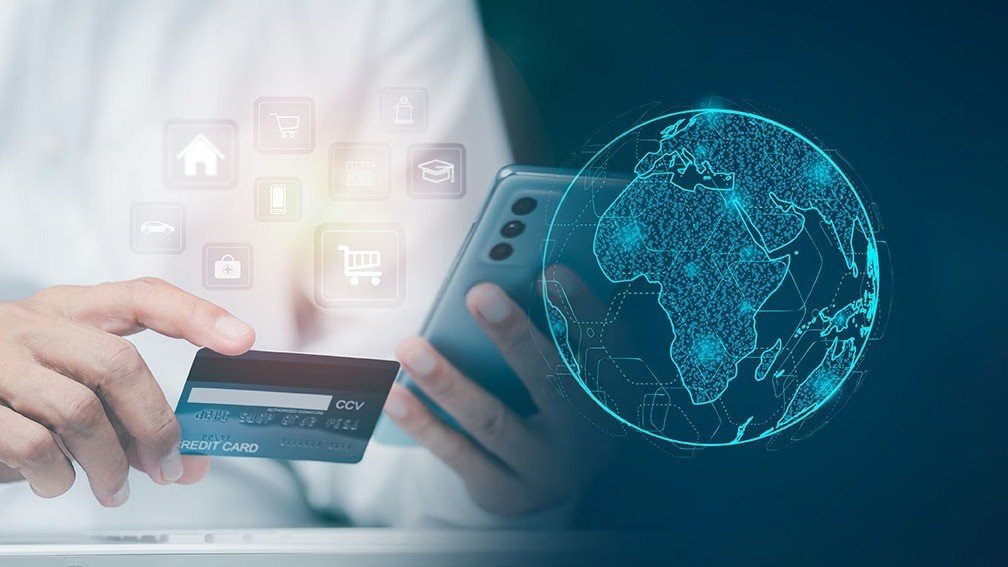

Nigeria’s digital payments industry is entering a new phase, and the numbers show why the country is attracting increasing attention from the global fintech community.
Electronic payments in Nigeria reached about ₦1.07 quadrillion in 2024, according to the Nigeria Inter-Bank Settlement System, NIBSS. The figure was almost 80 per cent higher than the ₦600 trillion recorded in 2023. Transaction volume also rose from 9.7 billion to about 11.2 billion during the same period.
This growth is more than a statistic. It reflects how Nigerians increasingly use digital channels for transfers, business payments, bills and other everyday financial activities.
What makes the Nigerian story particularly important is that the country is now moving from rapid adoption to the more difficult task of building a payments system that is secure, interoperable and trusted.

Also Read: SeerBit Expands Global Payment Options for African Merchants With PayPal Integration
Nigeria’s Payment Growth Is Becoming a Global Fintech Story
Nigeria has built one of Africa’s most active digital payments ecosystems through a combination of banking infrastructure, fintech innovation, mobile technology and regulatory changes.
The Central Bank of Nigeria has acknowledged the country’s progress, describing Nigeria as one of Africa’s leading digital payments markets. In a 2025 address, the CBN said the country had expanded its fintech ecosystem significantly, with more than 12 million contactless payment cards in circulation and over 40 fintech innovators participating in its regulatory sandbox.
The next stage is already taking shape through the Payments System Vision 2028, launched by the CBN in 2026. The initiative is designed to modernise payment infrastructure, improve interoperability, strengthen resilience and support broader financial inclusion.
This matters beyond Nigeria. As countries across Africa look for ways to expand digital finance, Nigeria’s experience offers a practical example of how instant payments and fintech services can operate at national scale.
The country is also preparing infrastructure for the next generation of payments. In August 2026, NIBSS said its new National Payment Stack had recorded 26.55 million transactions worth ₦1.4 trillion across 48 participating institutions.
ISACA Puts Digital Trust at the Centre of Nigeria’s Next Phase
The rapid growth of payments has created another question: how does Nigeria make sure its digital financial infrastructure can be trusted?
That question was particularly relevant as ISACA’s Nigerian chapters held their 18th Annual Conference, ANNCON 2026, in Abuja from August 24 to 28 under the theme “Reimagining Trust in the Age of AI.” The conference brings together IT auditors, cybersecurity specialists, risk professionals, regulators and technology executives.
The timing could hardly be more appropriate.
As Nigeria’s financial system becomes increasingly digital, cybersecurity, data protection, risk management and technology governance become central to the country’s fintech ambitions. A failed payment is frustrating, but a major security breach can damage consumer confidence and undermine trust in the wider digital economy.
ISACA’s focus on digital trust therefore fits directly into the direction Nigeria’s fintech sector is taking. Its conference programme includes sessions covering governance, audit, cybersecurity, risk, AI, data and emerging technologies.
For Nigeria, this is an important shift. The conversation is no longer just about getting more people to use digital payments. It is increasingly about making the systems behind those payments reliable and resilient.
Back Story: How Nigeria Built Its Digital Payment Advantage
Nigeria’s current fintech position was built over several years.
NIBSS’s instant payment infrastructure helped create the foundation for real-time transfers between banks and financial institutions. Fintech companies then built services around that infrastructure, making digital payments more accessible to consumers, traders and businesses.
The results have been substantial. NIBSS reported that electronic transactions reached ₦1.07 quadrillion in 2024, with 11.2 billion transactions processed during the year.
The country is now trying to strengthen that foundation. NIBSS is moving towards newer payment and messaging standards, including ISO 20022, while the CBN’s Payments System Vision 2028 is focused on improving the overall architecture of the payments ecosystem.
This development also comes at a time when Nigeria is seeking greater regional integration in payments. The CBN has highlighted cross-border payment development and the need for stronger links with African payment systems as part of its wider digital finance agenda.
Also Read: CBN vs Fintechs: Why Nigeria’s Digital Finance Industry Is Entering a New Era of Tougher Regulation
What Nigeria’s Fintech Growth Could Mean for Africa
Nigeria’s experience could become one of its strongest technology exports.
The country has already demonstrated that a large population can rapidly adopt instant digital payments when infrastructure, regulation and private sector innovation move in the same direction. The challenge now is maintaining that momentum without allowing fraud, cyber threats, outages and weak governance to undermine public confidence.
That is where the wider message from ISACA’s current work becomes relevant. The future of fintech will not be determined by transaction speed alone. Trust, security and accountability will increasingly shape which digital financial systems people are willing to use.
For Nigeria, the opportunity is significant. Its payment infrastructure is already operating at enormous scale, while initiatives such as the National Payment Stack and Payments System Vision 2028 are laying the groundwork for further growth.
The next test will be whether Nigeria can turn this scale into a model that other emerging markets can adopt.
The country has shown the world that Nigerians are ready for digital payments. The next chapter is showing that the systems carrying those payments can be trusted to handle the future.