In a clear sign that educational renewal is gaining pace across Nigeria, major infrastructure upgrades have begun with the renovation of nearly 800 classrooms and the construction of solar-powered boreholes in schools within Sokoto State. The initiative marks a fresh stride towards improving learning environments for children and communities in one of the country’s northwest states.
These efforts, driven in partnership with the World Bank and Nigerian education authorities and realised in communities where schools have long struggled with poor facilities and limited access to clean water, are being hailed as catalytic for educational progress and local wellbeing. In many schools, the absence of modern teaching spaces and reliable utilities has been a persistent barrier to learning, especially for girls and young learners in rural areas.
Education experts and local officials say that the classroom makeovers, paired with sustainable water solutions, signal a shift from rudimentary, often dilapidated structures to functional spaces where students can thrive, concentrate and enjoy a more secure school life.
Table of Contents
What the Renovations Entail
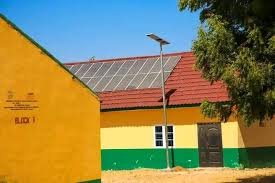
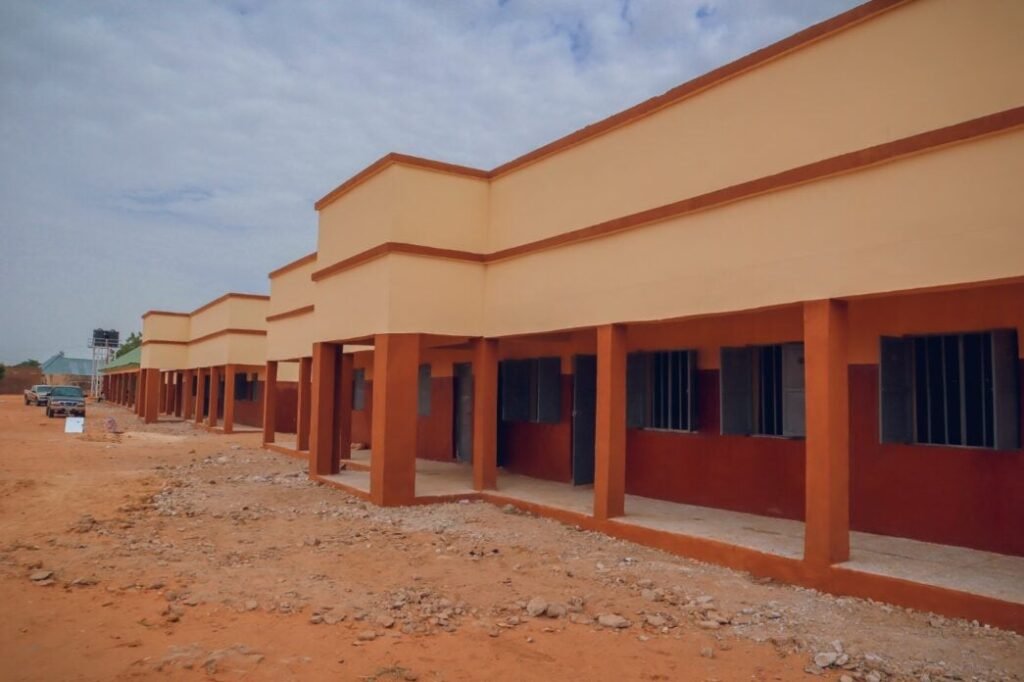
At the heart of the programme are two key components: renovation of 749 classrooms and the construction of 214 solar-powered boreholes. The renovated spaces are designed to be better ventilated, safer and more conducive to modern teaching approaches than the outdated facilities most students have had to make do with until now. The addition of solar-powered boreholes addresses a long-standing lack of clean water, which has both health and schooling implications for learners.
Solar technology was deliberately chosen so schools can have uninterrupted access to water without relying on inconsistent grid connections. This is especially important in communities where electricity supply is limited or absent, and where children often bore the burden of long walks to fetch water before and after lessons.
Local education stakeholders believe that combining classroom improvements with reliable access to water will reduce absenteeism, particularly for girls, and foster a more inclusive environment where children feel safe and supported.
Sustainable Infrastructure for Student Success
The move reflects a growing understanding that school infrastructure goes beyond walls and boards. It touches on sanitation, health, energy and the basic dignity of learners. Nigeria’s young population continues to swell, and education infrastructure has historically lagged behind demographic growth. This renovation programme moves the needle in the right direction by blending traditional construction with sustainable technology tailored to regional needs.
Solar-powered boreholes, in particular, help schools meet essential needs without adding recurring power costs. They also reduce dependency on unreliable municipal water services and foster better hygiene practices, which is especially important for growth, disease prevention and overall student wellbeing.
Educators and parents alike have applauded these upgrades, saying that learning spaces that are safe, well-lit and water-equipped will lift morale among pupils and teachers. These improvements have also been welcomed as a morale booster for teachers, whose daily responsibilities encompass far more than instruction when basic utilities are lacking.
Broader Context of Education Policies
This infrastructure initiative comes at a moment of heightened focus on educational reform in Nigeria. Across the country, the federal government has been planning and implementing policies to reposition learning at the centre of national development. Notable among these is the upcoming Nigeria Teachers’ Summit 2026, scheduled for January 27–28 in Abuja, which aims to celebrate, empower and strengthen the teacher workforce as key actors in education transformation. The summit will feature speeches from top officials, with recognition of outstanding teachers from all geopolitical zones.
Nigeria’s education overhaul also includes efforts to integrate digital learning, enhance teacher training, eradicate examination malpractice, expand scholarship schemes and revisit educational structures to better align with global standards and workforce needs. These reforms reflect a coordinated push to tackle deep-rooted challenges such as inadequate facilities, teacher shortages, skills mismatches, access gaps and limited professional support structures.
At the heart of these overlapping strategies is a clear objective: to ensure that Nigeria’s young population is equipped with the skills, confidence and opportunities they need to compete in a rapidly changing global economy. Government officials have framed education as both a personal investment for learners and a strategic national priority.
Voices on the Ground
Many teachers in Sokoto and surrounding regions have expressed optimism about the tangible impact of the upgrades. For educators, better classrooms mean they can devote more energy to teaching instead of coping with structural challenges. For school administrators, access to reliable water means reduced disruptions, improved hygiene and fewer health-related absences among learners.
Parents have, in turn, said the improvements offer relief and hope. Mothers and fathers often carry the burden of ensuring their children get to school safely and comfortably. Upgraded classrooms and water access reduce anxieties around student health and provide encouragement for families to keep children in class longer.
Community leaders have also welcomed the initiative, pointing to the ripple effects of improved education on local economies. Young people who stay in school longer are more likely to pursue higher education, vocational opportunities or entrepreneurial ventures that can uplift families and communities.
Looking Ahead
While the Sokoto programme is currently focused on classroom and water infrastructure, education stakeholders say it should be seen as a springboard for more wide-ranging reforms. Improving physical conditions is a necessary precondition for other priorities such as curriculum revision, technology adoption, teacher welfare enhancement and student assessment integrity.
Beyond Sokoto, plans for nationwide replication could help bridge longstanding gaps between urban and rural educational outcomes. Government and donor partners alike acknowledge that Nigeria’s education sector must evolve to respond to demographic pressures and global competitiveness demands.
In the meantime, parents, teachers, students and policymakers are watching closely, hopeful that these early infrastructure gains are a sign of more transformative changes to come in Nigeria’s classrooms.
Join Our Social Media Channels:
WhatsApp: NaijaEyes
Facebook: NaijaEyes
Twitter: NaijaEyes
Instagram: NaijaEyes
TikTok: NaijaEyes
READ THE LATEST EDUCATION NEWS