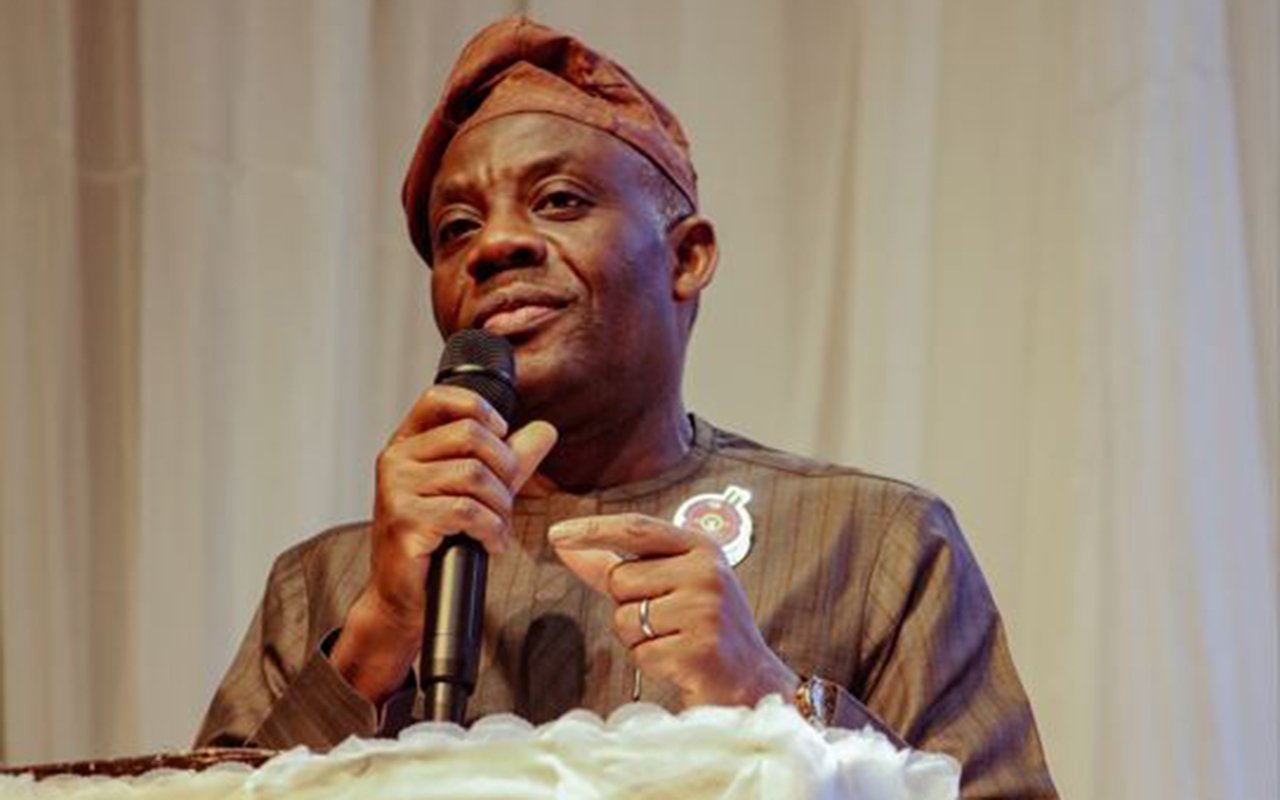
The Federal Ministry of Education has taken a bold stance in Abuja as it seeks a substantial increase in budgetary allocation for the 2026 fiscal year, warning that critical gaps in staffing, infrastructure, and safety are threatening the future of learning in Nigeria. In a detailed presentation to lawmakers this week, Tunji Alausa, the Minister of Education, drew attention to what he described as an urgent funding crisis that undermines efforts to produce quality graduates and prepare young Nigerians for a challenging global economy.
Alausa’s appeal reflects mounting concern among educators, parents, and policymakers that persistent under-investment in education is eroding learning outcomes and widening inequalities across regions. According to the minister, strategic investment in teachers, safe school environments, and modern facilities is not simply desirable — it is essential for national progress.

Severe Teacher Shortage and Crumbling Facilities Demand Attention
Central to the ministry’s case is the acute shortage of qualified teachers in federal schools. Alausa revealed to the Senate and House of Representatives Joint Committee on Education that over 3,500 teaching positions remain unfilled in Federal Unity Colleges alone, particularly in core subjects such as science, mathematics, and technical disciplines. This shortfall is hampering the capacity of schools to deliver practical and globally competitive education.
The consequences of this staffing crisis are deep-seated. Classrooms are overcrowded, practical exercises are limited, and students often struggle to access foundational knowledge that should form the backbone of their academic and career paths. Experts say that without teachers in classrooms, Nigeria’s long-term goals for industrialisation, innovation, and economic diversification will remain out of reach.
At the same time, Alausa pointed out that decades of under-investment have left many schools with dilapidated buildings, under-resourced laboratories, and inadequate libraries. In many instances, young learners are denied access to facilities that would enable hands-on learning and research — an essential element in a world increasingly driven by science, technology, engineering, arts, and mathematics.
Security Gaps in Schools Raise Alarm
Beyond educational infrastructure, the minister raised the alarm over security deficiencies that continue to plague learning environments across the country. He told lawmakers that many schools remain unfenced and lack basic protective systems, leaving pupils and staff exposed to threats such as banditry, kidnapping, and armed robbery.
Alausa emphasised that safety is non-negotiable and argued that funds must be allocated for perimeter fencing, modern surveillance equipment, and a reliable power supply to support security installations. Without these investments, he said, parents will remain sceptical about sending their children to school, especially in areas where violent attacks have become too frequent.
His appeal echoes years of concern from civil society groups and parents who have lamented repeated disruptions to academic calendars due to insecurity. It is a stark reminder that education in Nigeria cannot thrive if learners and teachers do not feel safe in their classrooms.
Digital Divide and Skills for the Future
In modern economies, access to Information and Communication Technology (ICT) infrastructure is no longer optional. Nigeria’s education minister stressed that expanding digital learning tools, internet connectivity, and access to computers is vital to prepare students for jobs in emerging sectors such as artificial intelligence, data science, and digital services.
However, schools across the country — particularly in rural and underserved areas — lack the basic digital resources that would enable students to compete internationally. This digital divide places Nigerian youth at a disadvantage compared with their peers in other African countries and around the world.
Alausa’s proposed budget includes provisions for ICT enhancement, but he urged the legislators to ensure that the allocation reflects the urgency of these needs. Without focused investment, the risk is that future generations will be left behind in an era where digital literacy and technological fluency are as crucial as reading and writing.
Aligning Funding with Nigeria’s Development Goals
The minister’s appeal is anchored on the belief that education should be treated as a strategic national priority, not a residual afterthought. He called on the National Assembly to adopt the UNESCO recommendation that nations allocate at least 20 per cent of their budgets to education, a target Nigeria has consistently fallen short of in recent years.
Recent allocations to the education sector have hovered between 6 and 10 per cent of the national budget — a level many education advocates say is inadequate to meet the country’s growing needs. The failure to commit more resources has contributed to pervasive infrastructure decay, under-paid and overworked teachers, and limited expansion of school places in high-growth communities.
Alausa also highlighted the importance of protecting scholarship funds from the destabilising effects of volatile exchange rates, proposing ring-fenced accounts that ensure timely payments for beneficiaries studying locally and abroad. He stressed that many recipients are high-achieving but financially disadvantaged students whose potential could be unlocked with reliable financial support.
In framing the 2026 education budget, the minister linked the proposals to the Renewed Hope Agenda of President Bola Tinubu, describing education reform as central to reducing the number of out-of-school children, strengthening the teaching workforce, and improving the quality of higher institutions.
A Call for National Consensus and Urgent Action
Stakeholders watching the Federal Government’s push for greater investment in education say the challenge now is to build consensus around the necessary funding levels and ensure that increased allocations translate into real-world improvements in schools across Nigeria.
Many educators have welcomed the minister’s stance, noting that decades of under-financing have eroded the quality of education and narrowed opportunities for millions of Nigerian children. They argue that without a firm political will to prioritise the sector, discussions about reforms may remain aspirational.
Parents, too, have expressed hope that a more robust budget will lead to better teaching standards, safer schools, and enhanced learning experiences for their children. Some have stressed the need for transparent implementation so that resources reach classrooms rather than being stalled or diverted along the way.
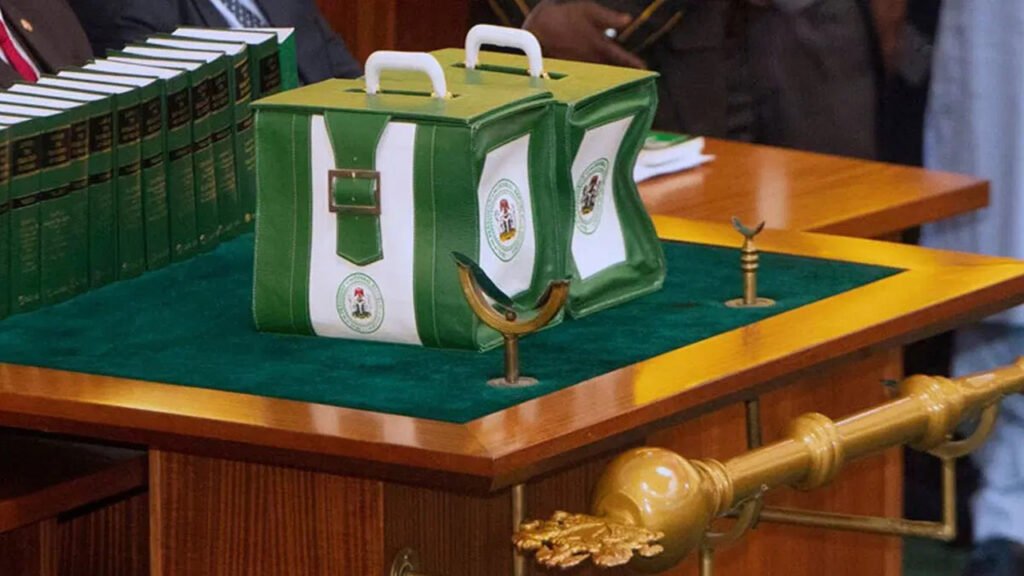
As the National Assembly begins detailed consideration of the 2026 budget, the education sector’s deep needs are now at the forefront of national conversation. With teacher shortages, security concerns, and infrastructure deficits making headlines, there is growing recognition that bold investment is essential if Nigeria is to unleash the full potential of its young people and secure a competitive future in the global economy.
Join Our Social Media Channels:
WhatsApp: NaijaEyes
Facebook: NaijaEyes
Twitter: NaijaEyes
Instagram: NaijaEyes
TikTok: NaijaEyes
READ THE LATEST EDUCATION NEWS