Abuja witnessed a gathering of education stakeholders this week as Nigeria marked the International Day of Education with a focused call to action on the nation’s struggling education system. The message was clear from the outset: the current state of education in Nigeria demands more than words and ceremonies. It requires decisive and urgent measures to fix systemic problems that have left millions of children out of school and unprepared for the challenges of the modern world.
Femi Gbajabiamila, Chief of Staff to President Bola Tinubu and a former Speaker of the House of Representatives, set the tone of the discussions when he described education as nothing short of a national emergency. In remarks delivered at the International Day of Education 2026 conference held in Abuja, he urged Nigerians and policymakers alike to treat the crisis in education with the seriousness it deserves.
According to Mr. Gbajabiamila, education is “the bridge between potential and productivity, between aspiration and achievement,” and must be at the heart of national policy if Nigeria is to secure a prosperous future for its children and for the country as a whole. He said that for Nigeria, Africa’s most populous nation, the task of fixing education cannot be left to chance or treated as merely another sectoral concern.
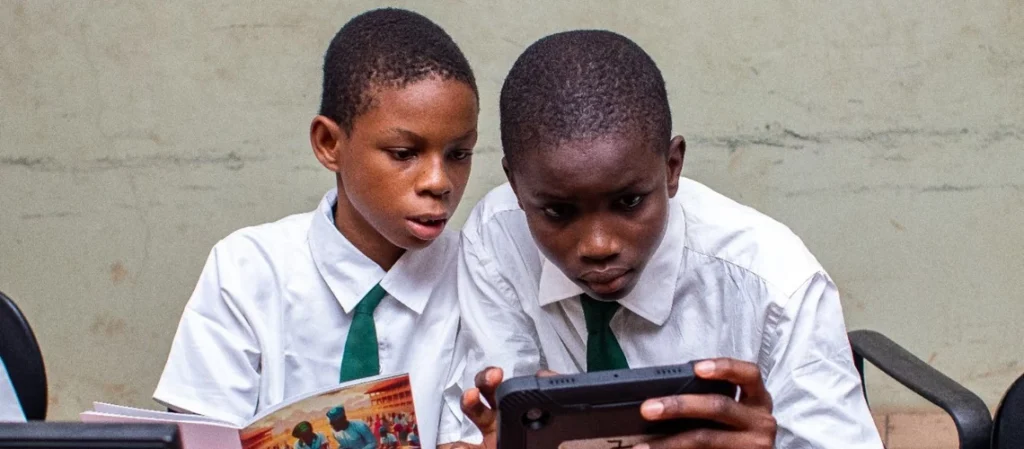
Table of Contents
The Scale of the Education Challenge in Nigeria
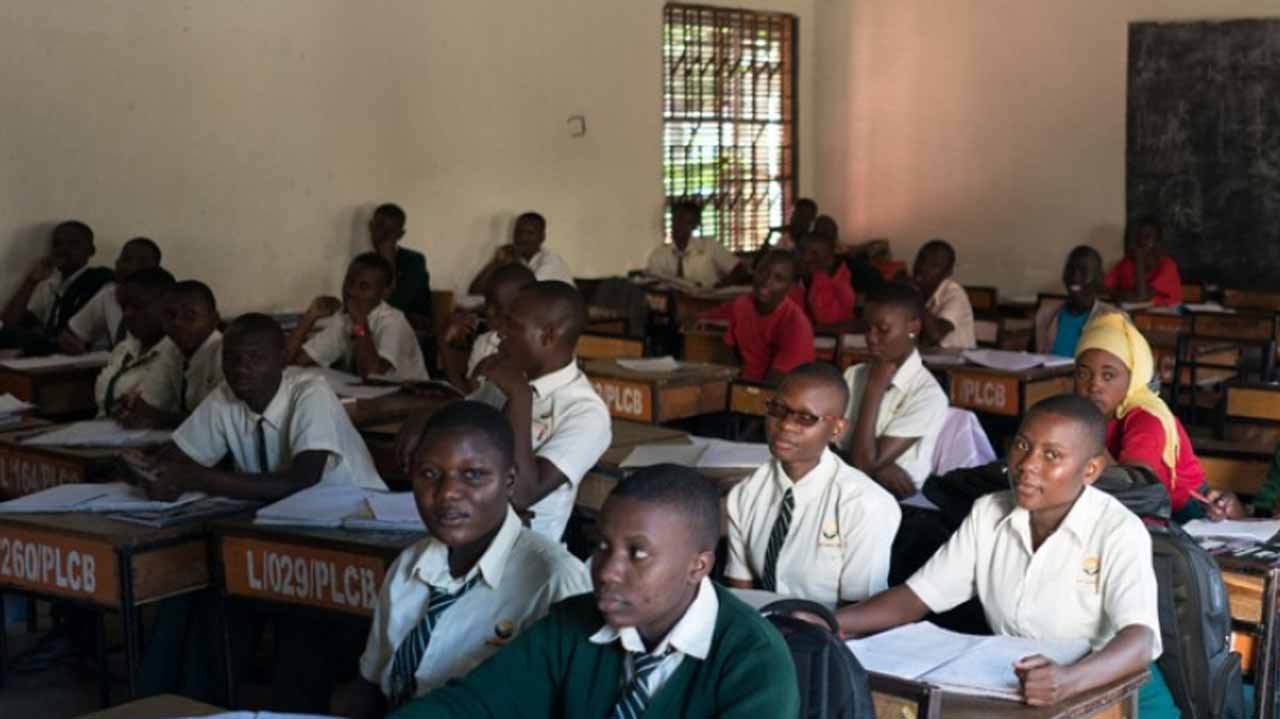
Experts and advocates at the event highlighted the stark realities facing Nigeria’s education sector. With over 20 million out-of-school children, the country holds the unfortunate distinction of having the largest number of children not in school anywhere in the world. These figures reflect deep disparities in access to quality education, especially for girls, children with disabilities, and those living in underserved or conflict-affected regions.
Insecurity in parts of northern Nigeria, poor infrastructure, outdated curricula, and the weak integration of digital skills are among the critical barriers that continue to hinder progress. The lack of basic facilities in schools and the inability to prepare young Nigerians for the demands of a global and technologically advanced economy were also central to the concerns raised during the conference.
Another major obstacle, underscored by education leaders, is teacher welfare and training. Despite being the backbone of the education system, teachers in many parts of the country struggle with poor working conditions, low morale, and inadequate professional development opportunities. Without addressing these foundational issues, reforms in infrastructure and curriculum are unlikely to yield meaningful results.
Shifting Policy to Action
One significant development referenced by Mr. Gbajabiamila was the establishment of the Nigerian Education Loan Fund, created after President Tinubu assented to the Students’ Loans Bill within the first three months of his administration. The bill, first sponsored by Mr. Gbajabiamila during his time as Speaker, was intended to ensure that no capable Nigerian student is denied tertiary education due to financial hardship. By translating this legislative effort into enforceable national policy, the government signalled its willingness to back ambitious reforms with tangible support mechanisms.
The Chief of Staff reiterated his commitment to the “Renewed Hope Agenda” of the current administration, stressing that education will remain central to national development efforts. He also commended the Speaker of the House of Representatives, Abbas Tajudeen, for convening the conference and putting legislative momentum behind education reform.
Stakeholders were urged to go beyond rhetoric and deliver actionable recommendations that can improve the efficiency of education funding, strengthen oversight, and modernise laws to reflect present-day realities. “Nigeria’s brightest tomorrow will be built in the classrooms we strengthen today,” he told participants, emphasising the critical role of effective policy implementation.
Collaborative Solutions for a Brighter Tomorrow
The conference also provided a platform for experts and policymakers to discuss deeper collaborations between government institutions, development partners, and civil society. Abisoye Da Rocha-Afodu, Special Adviser to the Speaker on International Cooperation and Educational Development, noted that solving Nigeria’s educational crises will require coordinated action on multiple fronts, from improving access and infrastructure to promoting inclusion and modern teaching methods.
She highlighted the importance of forging stronger partnerships with the private sector and communities to expand access to quality education, particularly for girls and persons with disabilities. This, she said, aligned with the intention behind the United Nations’ establishment of the International Day of Education, which seeks to remind governments of their obligation to guarantee learning opportunities for every child.
Addressing accountability was another core theme of the event. Lawmakers at the conference discussed possible legislative measures that would require periodic reporting and monitoring of education funding. This was seen as a necessary step to ensure that financial resources intended for education are used appropriately and transparently, preventing mismanagement and corruption.
Members of the House of Representatives also weighed in on the need to benchmark Nigeria’s education system against global standards. Fuad Laguda, Chairman of the House Committee on Federal Polytechnics and Higher Technical Education, pointed out that funding shortfalls remain one of the biggest challenges, especially for polytechnics and technical institutions. He stressed the importance of a collaborative approach in tackling these issues, saying that a united front among various stakeholders is essential for meaningful reform.
Looking to the Future
As Nigeria reflects on the messages delivered at the International Day of Education conference, there is renewed urgency among policymakers and advocates to transform key insights into concrete actions. Strengthening educational infrastructure, improving teacher welfare, ensuring inclusive access, and enhancing funding oversight are all part of a broader blueprint for systemic change.
While the task ahead is immense, the voices gathered in Abuja this week illustrate a growing consensus that Nigeria’s education system can be a powerful engine for national development if it receives the attention and resources it critically needs. With young Nigerians making up a large portion of the population, the decisions made today will have far-reaching implications for the country’s social and economic future.
The collective call to action is now clear: bring education out of crisis mode and position it as a priority for national security, prosperity, and global competitiveness. In doing so, Nigeria can move closer to realising the promise of its young people and building a stronger, more resilient future for all.
Join Our Social Media Channels:
WhatsApp: NaijaEyes
Facebook: NaijaEyes
Twitter: NaijaEyes
Instagram: NaijaEyes
TikTok: NaijaEyes
READ THE LATEST EDUCATION NEWS