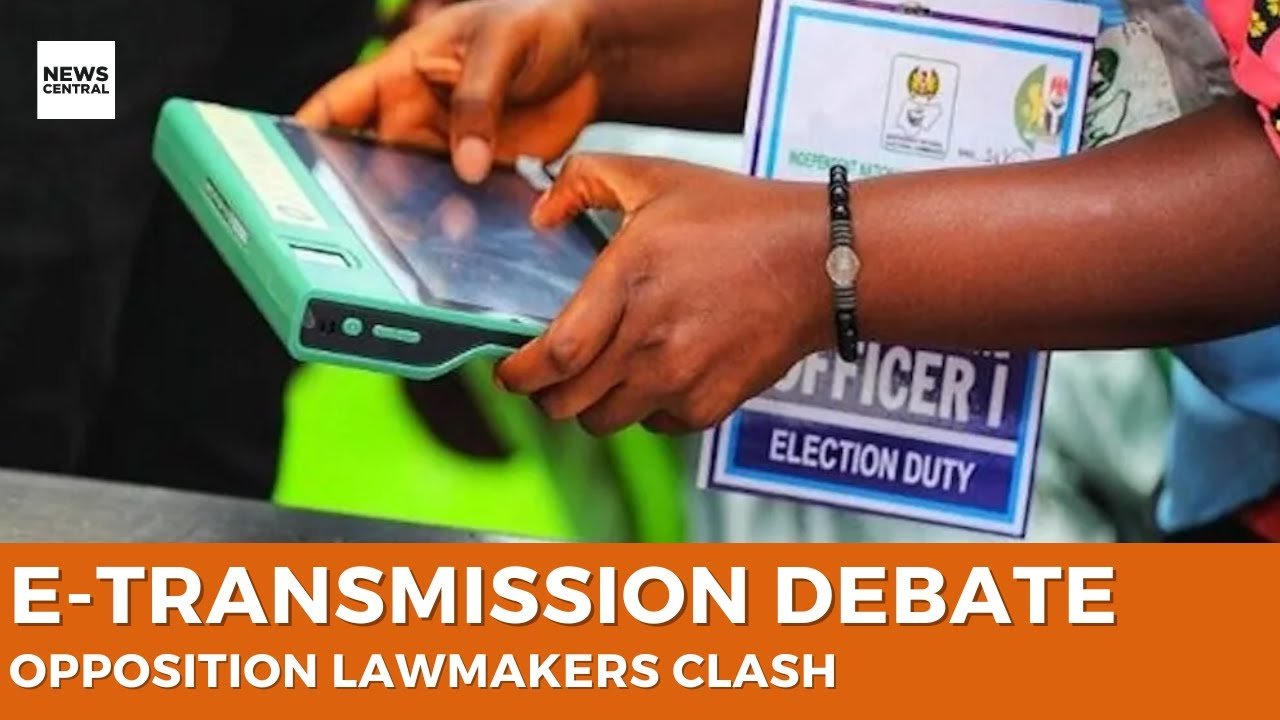
In Abuja today, a significant debate over Nigeria’s electoral reform erupted between key political figures as the Senate’s handling of the Electoral Act (Amendment) Bill 2026 came under intense scrutiny. At the centre of the controversy is the Senate’s decision to remove the phrase real-time from the clause on electronic transmission of election results. According to a report by BusinessDay, Senate President Godswill Akpabio defended the move, while former Senate President David Mark cautioned against the Senate speaking on behalf of the Independent National Electoral Commission (INEC).
This discussion has captured national attention amid widespread calls for credible and transparent elections ahead of the 2027 general polls, with civil society groups, opposition parties, and labour organisations all weighing in on how results should be collated and shared.
Table of Contents
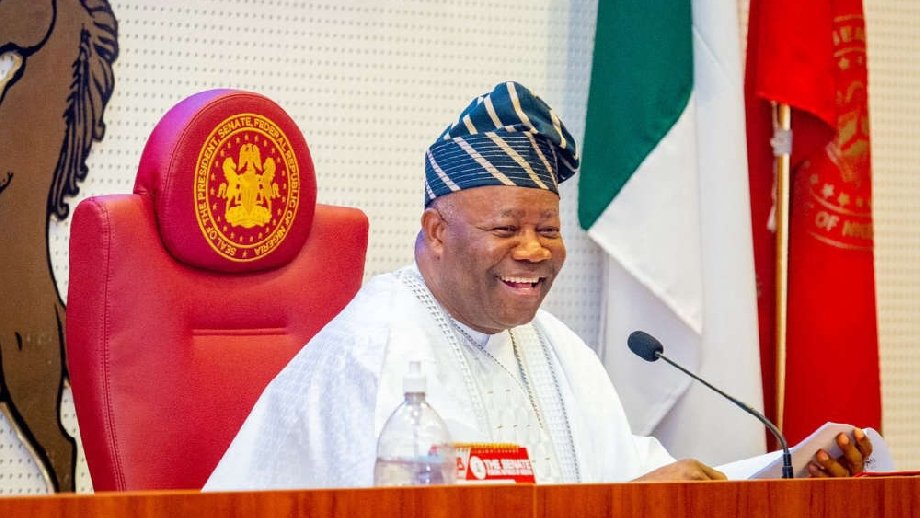
Akpabio Explains Senate’s Position on the Real-Time Clause
Speaking at the launch of The Burden of Legislators in Nigeria, a book authored by former Senator Effiong Bob, Godswill Akpabio moved to clarify what many saw as a rollback of electoral transparency. According to Akpabio, the Senate did not intend to block electronic transmission of results; instead, the alteration was to eliminate mandatory real-time transmission from the law. He stressed that the Senate’s actions were part of an ongoing legislative process, not a final directive.
Akpabio said keeping the term “real-time” could potentially invalidate election results in areas with unstable network coverage or power outages. He argued that if the law rigidly required instantaneous transmission, network failures in parts of the country could lead to legal challenges after elections. As a result, the Senate opted to grant INEC flexibility to decide how results are transmitted in practice.
He pointed out that electronic transmission is still permissible under the Electoral Act. According to Akpabio, the Senate preserved the option for electronic methods while avoiding potential legal complications linked to infrastructure challenges. He used vivid examples, noting that whether officials choose to transmit results by phone, tablet, or even physical means, the law would not now constrain them to a binary real-time standard.
Akpabio also urged the public to refrain from premature criticism, saying that the amendment process was not yet complete. The bill still has to undergo harmonisation between the Senate and the House of Representatives before it is finalised and sent to the President for assent.
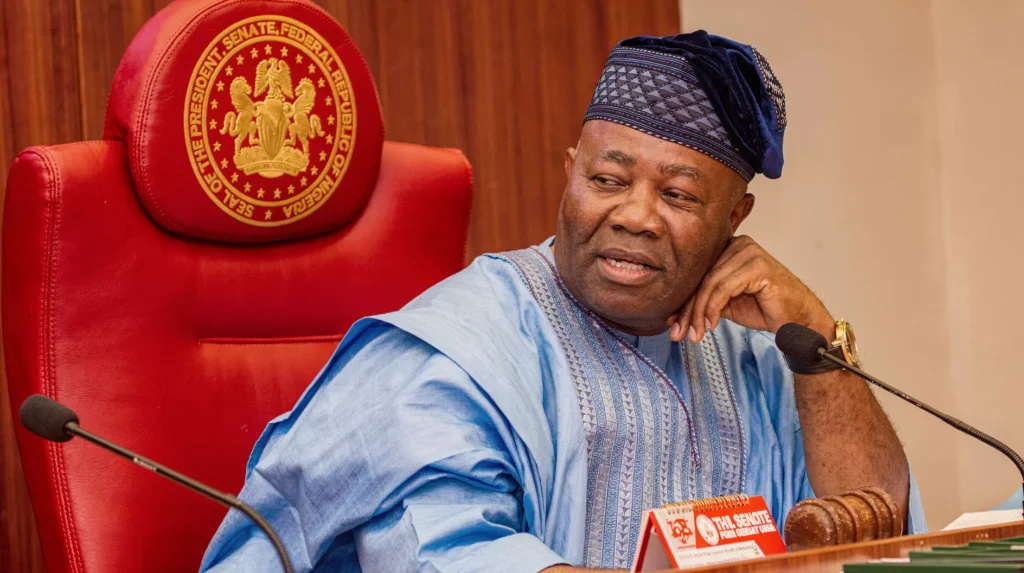
David Mark’s Rebuttal: Let INEC Decide, Don’t Speak for Them
In response to Akpabio’s defence, David Mark, a former Senate President and current Interim National Chairman of the African Democratic Congress (ADC), offered a sharp critique of the Senate’s position. Mark argued that lawmakers should focus on passing the law and allow INEC to determine whether it can implement real-time electronic transmission, rather than pre-emptively ruling on INEC’s capacity.
Mark’s position is rooted in the belief that the public clearly wants electronic transmission of results, and that the legislative leadership should not speak on INEC’s behalf about whether it can or cannot deliver on that demand. If INEC lacks the necessary infrastructure, Mark said, that is a challenge for the electoral body to acknowledge and address, not a limitation to write into the statute.
His comment reflects wider public concern over electoral credibility and the fear that weakening transparency measures could undermine confidence in election outcomes. Mark emphasised that the National Assembly should stand firm in supporting reforms that enhance transparency and accountability, not dilute them in response to perceived technical hurdles.
Wider Political Reactions and Public Outcry
The Senate’s amendment to the Electoral Act has drawn reactions from different quarters. Civil society organisations and opposition parties have condemned the apparent watering down of the real-time transmission clause, arguing that manual collation and discretionary transmission could open the door to manipulation and fraud in the electoral process. Critics fear that retaining physical transfer of results as the dominant method could roll back gains made in transparency in previous elections.
Labour groups, including the Nigeria Labour Congress (NLC), have issued warnings that continued confusion or perceived weakening of electoral reforms could lead to protests or calls for mass action. Their concern is that any step seen as diluting electoral transparency risks destabilising trust in democratic processes.
Meanwhile, some lawmakers and political commentators have defended the Senate’s caution, saying that rigid mandates could have unintended consequences if they do not reflect Nigeria’s current technological and infrastructural realities. They argue that a phased or flexible approach may be more practical in the short term, allowing INEC to roll out improvements as capacity grows.
What Happens Next in the Legislative Process
As the Electoral Act (Amendment) Bill 2026 moves forward, both chambers of the National Assembly will have to reconcile their versions of the bill. The House of Representatives had earlier passed its own version, which included mandatory electronic transmission. This difference will now require a conference committee to iron out, after which a unified bill will be returned to both houses for final approval.
Only after this harmonisation can the bill be sent to the President for assent and become law. Until that point, lawmakers such as Akpabio and Mark will continue to debate and defend their positions, and public interest in the outcome is likely to remain high.
Implications for Nigeria’s Democracy
The debate over electronic transmission of election results is more than a technical argument about wording. It reflects deeper disagreements about how to strengthen Nigeria’s democracy and ensure that elections are free, fair, and trusted by the electorate. For many, real-time transmission represents a crucial step toward eliminating manipulation and ensuring instantaneous public transparency.
For others, the focus is on balancing ideal reforms with practical realities on the ground, where network challenges and security issues remain significant in many parts of the country. As Nigeria approaches its next general elections, how this debate is resolved will be seen by many as a litmus test for the country’s commitment to democratic reform and technological modernisation.
In the coming weeks, Nigerians will watch closely as the National Assembly navigates this complex legislation. The resolution of the electronic transmission debate may well shape public confidence in the integrity of elections and the future of democratic governance in the nation.
Join Our Social Media Channels:
WhatsApp: NaijaEyes
Facebook: NaijaEyes
Twitter: NaijaEyes
Instagram: NaijaEyes
TikTok: NaijaEyes