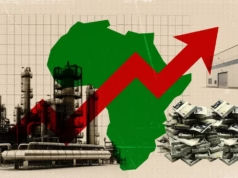
Nigeria’s most ambitious economic target in years, becoming a $1 trillion economy, hinges not only on oil revenues and fiscal reforms but critically on strengthening the nation’s people through better health and education. This is the message that development experts and international partners are delivering to policymakers, community leaders and citizens as the strategic debate over Nigeria’s economic future gathers momentum.
At the heart of this conversation is a renewed emphasis on human capital investment, the idea that skills, wellbeing, and learning matter as much as infrastructure and industrial growth. For Nigeria, where a youthful population presents both a challenge and a promise, prioritising human capacity development is increasingly seen as a prerequisite for sustained economic expansion, according to the World Bank.
Table of Contents
The Human Capital Imperative
Experts from the World Bank have been clear: without fundamental investments in health, education and social services that prepare citizens for productive participation in the economy, Nigeria’s growth story will remain incomplete. In Abuja, World Bank officials underscored that early childhood health and education form the bedrock of productivity, shaping outcomes from infancy through adulthood.
This argument resonates with findings from a recent World Bank report showing current deficits in health, education and skill development are costing Nigeria more than 100 per cent of its future labour earnings. That means children growing up today may never fulfil their potential to contribute fully to society unless these foundational systems are strengthened.
The Bank emphasises that health and nutrition are not just sectors to be funded but core determinants of whether children survive, thrive, and later contribute economically. Without adequate care for mothers and young children, the economic gains from other reforms risk being undermined by low productivity and poor learning outcomes.
Why Health and Education Matter for Growth
Nigeria’s development challenges illustrate a paradox: despite steady growth in gross domestic product (GDP) over the last decade, improvements in human capital indicators have lagged. School test scores have stagnated, and education outcomes remain below what is expected for a lower-middle-income country. Targeted investment in quality education and skill-building could raise labour earnings by up to 20 per cent over the long term, according to analysts.
Similarly, investments in health — especially maternal and child health, routine immunisation, and nutrition — have the potential to lower long-term health costs and improve workforce participation. The Bank highlights that access to clean water, sanitation and healthcare can dramatically boost productivity and reduce losses associated with preventable illness.
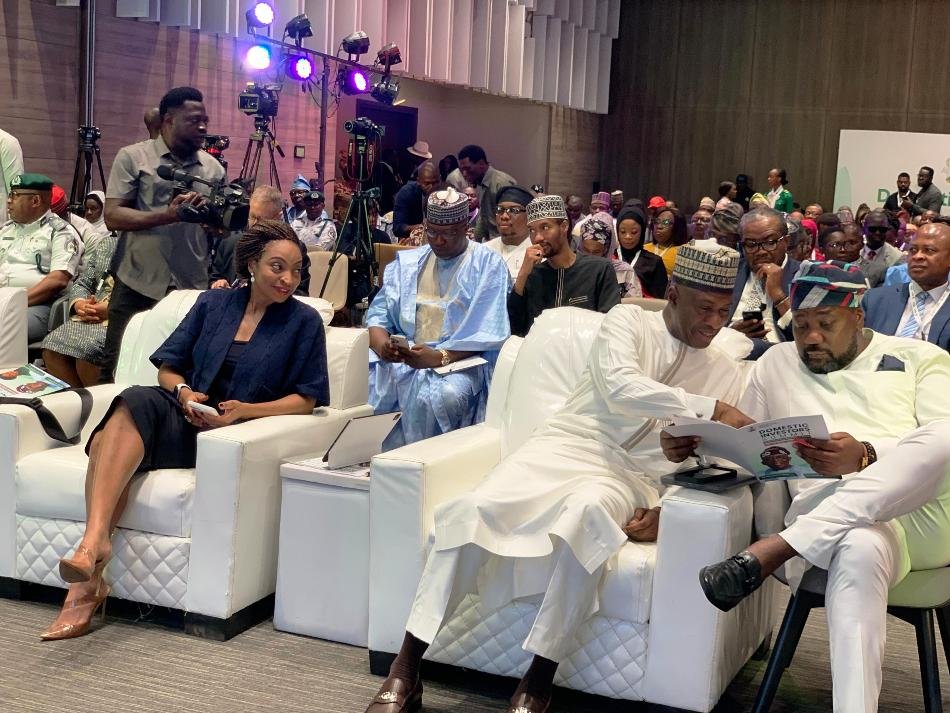
Traditional and religious leaders are increasingly recognised as important allies in this effort. Their influence in communities can shape public behaviours around health-seeking practices, nutrition, caregiving and education uptake. In a summit that brought these leaders together, international partners praised Nigeria’s faith and traditional institutions for their role in promoting positive health behaviours.
The World Health Organization (WHO) described their involvement as “an asset rarely seen in many countries,” noting that community-level engagement is essential for translating national commitments into tangible results on the ground.
Building Back Better After Economic Shocks
Nigeria’s economy continues to recover from global shocks, including the COVID-19 pandemic and rising inflation pressures, which have weighed on growth and household incomes. Despite these headwinds, projections suggest that with the right policies, Nigeria’s economy could expand further in the coming years. Growth forecasts by international institutions anticipate moderate increases in GDP, driven by services, agriculture and industrial growth.
Yet achieving the targeted fivefold increase in growth needed to reach a $1 trillion economy by 2030 remains a significant challenge. It requires a mix of structural reforms, sound fiscal policy and above all, investment in people whose skills and health will drive productivity.
For example, while government spending on health and education has risen in recent years, critics argue that systemic issues such as inefficient resource allocation, inadequate infrastructure and teacher shortages have limited impact. Nigeria’s education paradox — bigger budgets but poorer outcomes — highlights that financial inputs must be paired with quality reforms that ensure effective teaching, learning and accountability.
Partnerships and Policy Innovation
To accelerate human capital development, Nigeria is collaborating with development partners on innovative financing and programmes. Since 2024, the World Bank has approved significant funding packages aimed at bolstering education, nutrition and resilience, showing international support for Nigeria’s strategic agenda.
In late 2025, Nigeria launched the Human Capital Opportunities for Prosperity and Equity – Governance (HOPE-GOV) programme, backed by $500 million in World Bank assistance. This initiative targets improvements in financial management, governance, and delivery of basic education and primary healthcare, signalling a step toward more accountable and transparent service provision.
These partnerships reflect a shift toward results-based investment, where funding is tied to measurable outcomes in human development. It also reflects recognition that cross-sector collaboration — among ministries of health, education and finance — is central to unlocking Nigeria’s economic potential.
Looking Beyond GDP Numbers
While gross national output remains a headline focus for policymakers, the deeper measure of progress is people’s everyday lives. A healthier, more educated workforce does not just raise GDP figures; it reduces poverty, strengthens communities and nurtures resilient families. Nigerian children educated today are the professionals, entrepreneurs and leaders of tomorrow — provided they receive the care and learning opportunities they need now.
The social gains from investing in human capital extend beyond economics. Improved health systems reduce preventable deaths, ease pressure on households, and support inclusive growth. Quality education builds critical thinking, fosters innovation and equips young people with skills for a rapidly changing world.
For Nigeria, reconciling economic ambitions with human development is not a luxury but a necessity. The road to a $1 trillion economy runs through classrooms, clinics, and communities. It requires sustained focus, strategic investment and collective commitment from government, citizens and international partners alike.
What the Future Holds
The unfolding discourse in Abuja underscores a compelling vision: a Nigeria where economic growth is inseparable from human progress. If policymakers act on the evidence, prioritising health, education and social services in national planning and budgeting, Nigeria can lay the foundation for long-term prosperity.
Perhaps more than an economic target, the $1 trillion aspiration becomes a catalyst for transformative change in the lives of millions of Nigerians. Investment in people, after all, is the most enduring form of development.
In the coming months and years, the extent to which Nigeria embraces this human-centred growth model may well determine not only the size of its economy but the depth of opportunities afforded to its citizens.
Join Our Social Media Channels:
WhatsApp: NaijaEyes
Facebook: NaijaEyes
Twitter: NaijaEyes
Instagram: NaijaEyes
TikTok: NaijaEyes