
Nigeria’s smartphone industry has experienced a striking recovery in the third quarter of 2025, with shipments increasing by 29 per cent, according to a new report by global technology research firm Omdia. This rebound marks a dramatic turnaround after a turbulent 2024, when currency volatility and inflation squeezed demand and slowed imports.
While global smartphone shipments grew modestly, Nigeria’s rebound stands out — positioning the country as a leading growth engine in the African tech market.

What Fueled the Surge: Stability, Affordability and Smart Strategies
At the heart of this recovery is the renewed stability of Nigeria’s currency. Since early 2025, the naira has traded steadily at around ₦1,450–₦1,500 per US dollar, reversing the sharp depreciation suffered during 2023 and 2024 following the foreign exchange reforms by the Central Bank of Nigeria (CBN).
That currency stability changed the import calculus for vendors. With predictable exchange rates, phone importers were able to confidently bring in shipments again — and this time placed a heavier emphasis on budget-friendly devices priced below US $150.
This focus on affordability triggered an upgrade wave across the market. A sharp rise in demand for entry-level smartphones meant that many Nigerians who had previously postponed purchases could finally afford to buy or upgrade their devices.
Growth Across the Spectrum: Entry-Level to Premium Devices
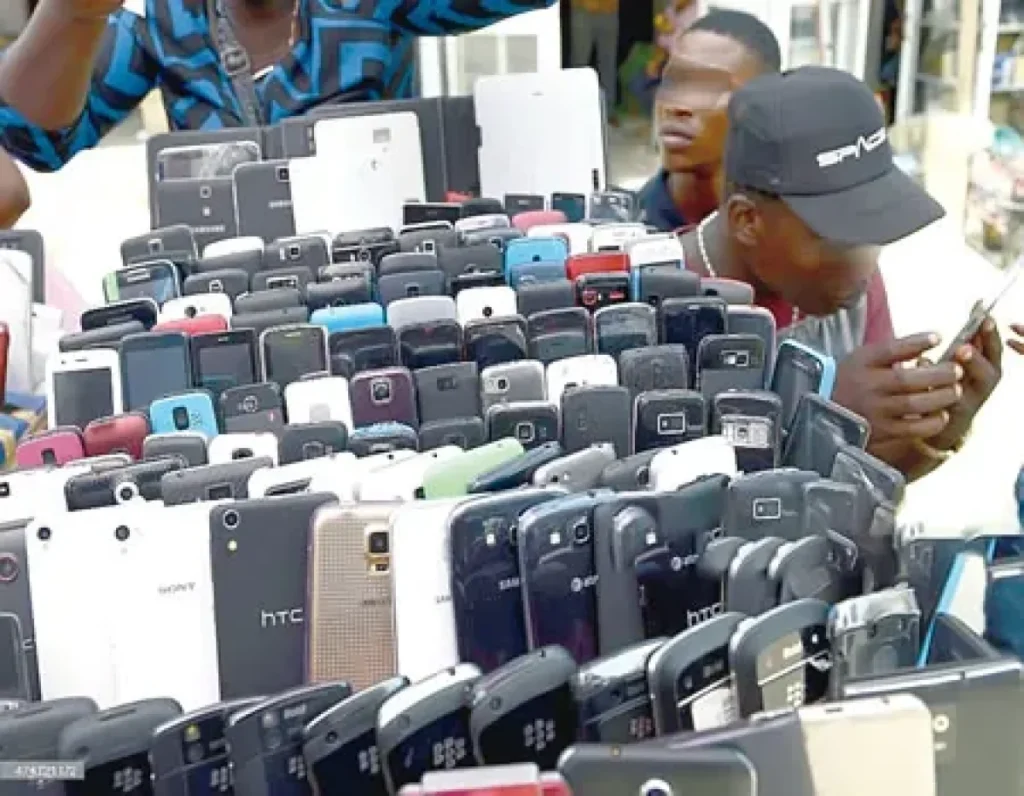
Interestingly, the rebound wasn’t limited to cheap phones. According to Omdia’s data, the smartphone market in Nigeria saw significant strength at both ends of the price spectrum. The entry-level segment (sub-US$100) recorded an impressive 57 per cent growth — indicating many first-time smartphone users or budget-conscious buyers are now entering the market.
At the same time, the premium tier (above US$500) surged by 52 per cent, suggesting that middle- and upper-income Nigerians are also renewing or upgrading their devices. This two-layered market dynamic — strong demand among both budget and premium segments — underscores the resilience and diversity of Nigeria’s consumer base.
This pattern also mirrors a broader continental trend. In Q3 2025, smartphone shipments across Africa rose 24 per cent year-on-year, ending five quarters of decline — with Nigeria and other major markets driving the rebound.
What This Means for Digital Access and What’s Ahead
The resurgence of the smartphone market has implications beyond device sales. In Nigeria, smartphones remain the primary gateway to the internet and digital services. The recovery could help more Nigerians access connectivity, digital banking, education, entertainment, and other online opportunities.
That said, the rebound faces potential headwinds. As noted by Omdia analysts, rising supply-chain costs — including higher component (BOM) prices, memory shortages, shipping and insurance fees — as well as persistent global currency and economic volatility, could pressure future growth. There’s a real risk that 2026 may see a contraction in smartphone shipments in Africa, especially in low-cost segments where demand is concentrated.
For now, though, Nigeria’s smartphone rebound paints a hopeful picture: with currency stabilisation, vendor agility, and demand across income brackets, the country has re-established itself as a key growth centre in Africa’s fast-evolving digital landscape.
Join Our Social Media Channels:
WhatsApp: NaijaEyes
Facebook: NaijaEyes
Twitter: NaijaEyes
Instagram: NaijaEyes
TikTok: NaijaEyes