
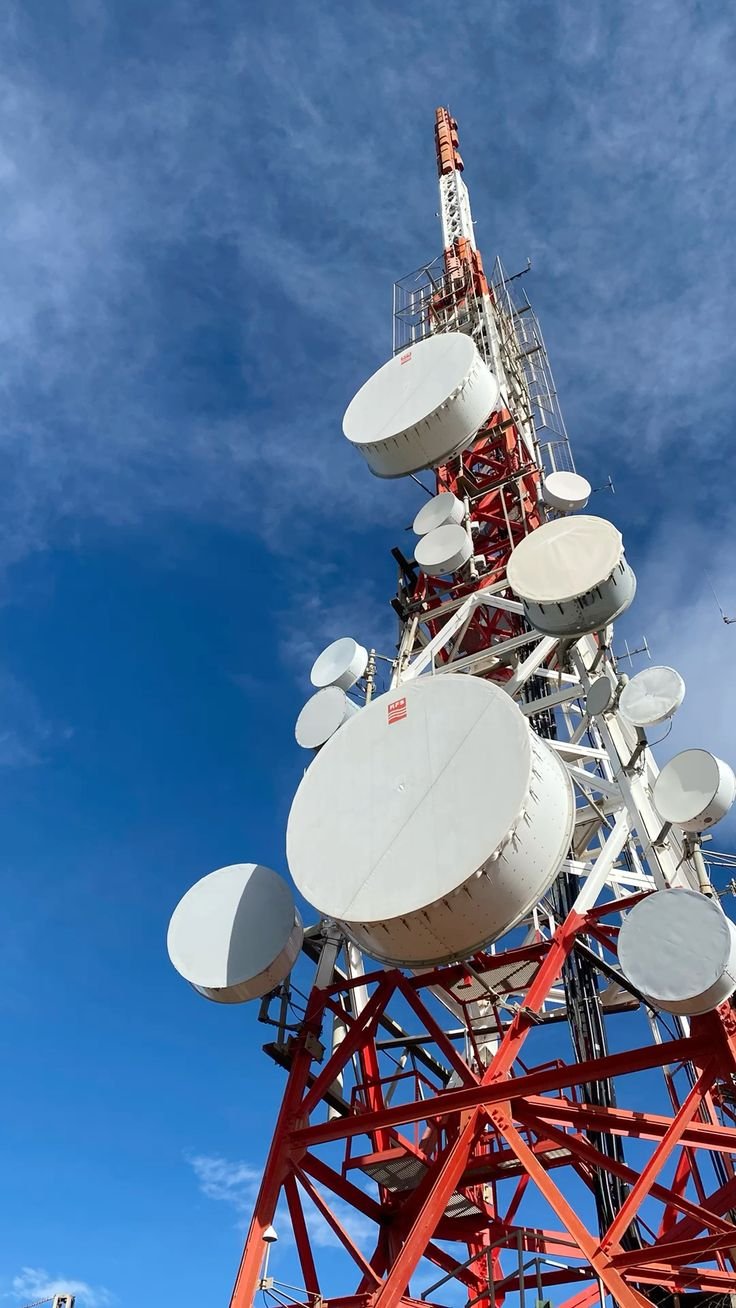

Nigeria’s telecommunications infrastructure problem is not a shortage of towers. It is a resilience problem: networks must reach communities reliably, remain powered, stay connected to fibre routes and be accessible to repair crews. Nigerian Communications Commission (NCC) figures show why spending alone does not guarantee dependable service.
The NCC’s 2025 annual report says operators invested more than US$1 billion in expansion and modernisation, deploying or upgrading over 2,800 sites. Separately, its BTS trend section puts base-station deployments at 138,280 by September 2025, down from 145,621, largely because T2 shut down sites. These are different measures: upgraded sites are not necessarily net additions. The 2,800 figure does not mean Nigeria gained that many net-new towers.
Why network growth does not always mean better coverage
This matters. The GSMA estimated that about 140 million Nigerians lived within mobile broadband coverage in 2025 but did not use mobile internet. This is a usage gap, not the number of people outside network coverage. Device affordability, data costs and digital skills can keep people offline even where a signal exists.
Also Read: MTN Targets Nigerian Investors for 30% IHS Nigeria Stake in $1.1bn Deal
Fibre routes are a national vulnerability
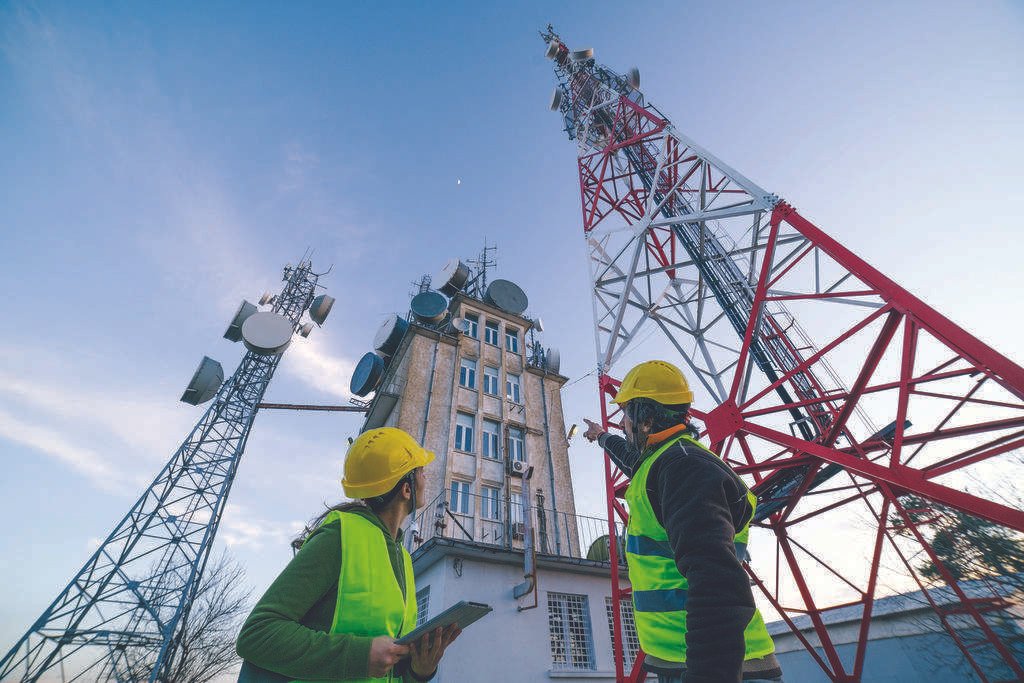
More than 5,000 fibre-cut incidents were recorded in the first half of 2026, the NCC disclosed in August. Most were linked to road construction, excavation and other civil works. Fibre carries data between towers and network centres; a cut can disrupt services far beyond the worksite. The Commission recalled that damage in February 2024 caused an almost network-wide disruption for one operator, affecting millions of users for several hours.
The NCC has established a standing committee with the Works Ministry and other stakeholders to coordinate cable protection around road projects. Contractors need accurate cable-route information before excavation, while operators need reporting and repair procedures that limit disruption.
Power failures can take services offline
A tower cannot provide reliable service without electricity. The NCC incident register recorded a nationwide 9mobile power outage on September 24, 2026, affecting USSD, SMS and data services. Its quality-of-experience platform tracks power availability, repair times, site-access denials and theft, including stolen generators, diesel, batteries and cables.
The NCC and Rural Electrification Agency signed an agreement in July 2026 to explore renewable-energy solutions for telecom sites, particularly in underserved areas. Mini-grids, batteries and solar systems could reduce diesel dependence, but require investment, maintenance and protection against theft.
Back Story: New projects must prove delivery
Project BRIDGE is designed to add 90,000 kilometres of open-access fibre to Nigeria’s backbone through an estimated US$2 billion programme. NUCAP has a different purpose: deploying 3,700 towers to extend coverage to nearly 20 million unserved or underserved Nigerians. The first NUCAP tower was commissioned in Bende, Abia State, on October 16, 2026.
The projects address different gaps, but targets are not completed infrastructure. BusinessDay reported on November 4 that BRIDGE’s physical rollout had not officially begun and that a state-by-state construction map was unavailable. Progress should be measured through kilometres laid, functioning sites, communities reached, fewer outages and faster repairs, not investment announcements alone.
Also Read:Google Launches Free AI and Digital Skills Hub, Targets Three Million Africans by 2030