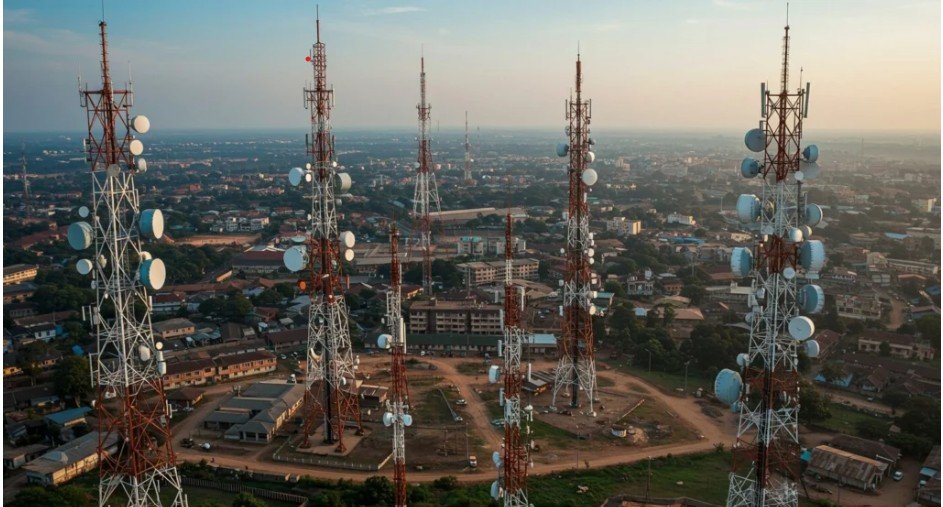
Nigeria’s telecommunications sector is one of the largest in Africa. With over 170 million active mobile lines and millions relying on their phones for business, education, and daily communication, the expectation was that by 2025, Nigerians would enjoy dependable network coverage and robust internet speeds. Yet for many, daily life is defined by dropped calls, slow data, constant outages, and rising frustration. Despite significant investments and a major tariff increase, the quality of experience for users remains far below what was promised.
Table of Contents
A Sector Full of Promise But Short on Delivery
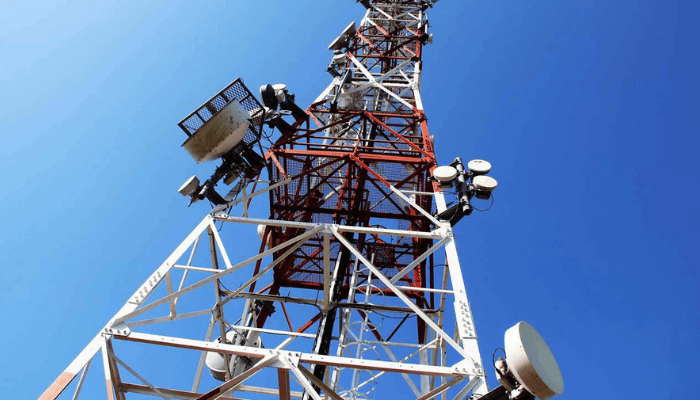
Telecommunications in Nigeria has grown rapidly since the industry was liberalised, moving from just half a million active lines to well over 170 million today. The sector is a vital part of the economy and has underpinned expansion in fintech, e-commerce, and digital services. But that growth has not consistently translated into better service for consumers. What many hoped would be improved connectivity by now has been largely disappointing.
In January 2025, consumers were hit with a steep 50 per cent tariff hike across mobile voice, data, and SMS services. The government and industry regulators said this price increase was necessary to allow telecom operators to invest in networks and deliver a better quality of service and experience. Yet months later, subscriber complaints tell a different story. Users across cities and rural areas alike report ongoing network unreliability, slow broadband speeds, dropped calls, and occasional total service blackouts.
Many Nigerians had hoped that the tariff increase would be matched with new cell sites, expanded fibre infrastructure, and modernised networks that could handle increased data demand. Some operators did announce capital expenditure programmes to expand capacity. For example, MTN reported a significant increase in infrastructure investment, deploying new 4G sites and expanding fibre networks to reach more users. Airtel, too, said it was stepping up investments, including upgrades to support 5G rollout.
Despite these announcements, the hard reality for users is that connectivity quality has not improved to a level that justifies the higher costs. Many people say they now spend more on mobile services but get less value in return. In cities like Lagos and Abuja, network reliability issues continue to interrupt mobile payments, online meetings, and social sharing. Many subscribers now carry multiple SIM cards from different providers just to stay connected throughout the day.
Why Consumers Are Still Disappointed
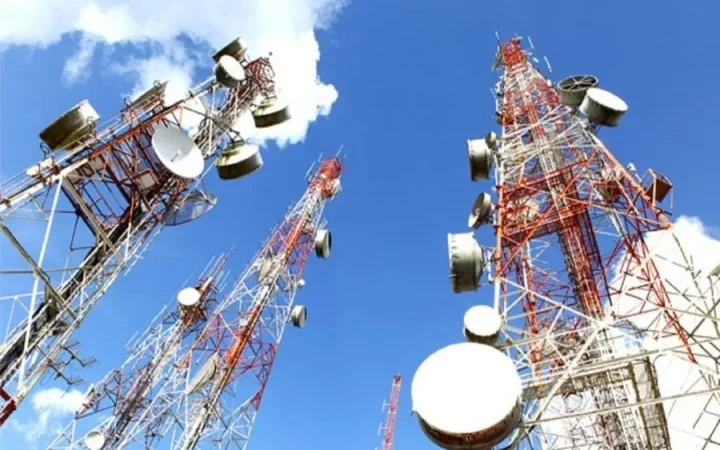
Behind the scenes, the telecom regulator, the Nigerian Communications Commission (NCC), acknowledges that quality issues persist. Officials have admitted that overall network quality still falls short of expectations and stressed the need to shift focus from purely technical measures of quality of service to the broader quality of experience that subscribers actually feel.
There are several factors that continue to undermine network performance:
Infrastructure strain in urban centres: Heavy concentration of active users in cities saturates network capacity, leading to slow data speeds during peak times, buffering video streams, and interrupted voice calls. The regulator’s research shows that while overall network capacity may be adequate at the national level, city networks are overstretched.
Fibre-optic cuts and vandalism: Damage to critical infrastructure such as underground fibre-optic cables is a major problem. Frequent cuts due to construction work, theft, and vandalism cause widespread outages and take operators’ time and money to fix. In Lagos alone, telecom operators reportedly lost billions of naira to infrastructure damage in a single year.
Operational challenges and costs: Nigeria’s erratic public electricity supply means most telecom sites depend on diesel generators. Rising fuel costs and the depreciation of the naira have increased operating expenses, limiting how much operators can invest in expanding and upgrading their networks.
Market competition issues: A small number of dominant operators control most of the market, reducing pressure to innovate aggressively or improve services quickly. MTN and Airtel together command the vast majority of subscribers, while smaller players struggle to compete. This dynamic can slow overall industry progress.
Regulatory enforcement gaps: The NCC has introduced regulations that set performance standards and penalties for poor service quality. However, enforcement has been inconsistent, and many argue that stronger action is needed to hold operators accountable for service failures.
Daily Realities for Subscribers
Across Nigeria, ordinary users bear the brunt of these systemic issues. In the Southeast and other regions, subscribers protested that the tariff hike did not bring any measurable improvement to network quality. Many described the price increase as unjust given the continued poor performance.
In practice, poor network quality affects more than just convenience. Frequent service disruptions can mean failed mobile money transfers, challenges accessing emergency services, difficulties in online learning, and interruptions in business communication. These everyday frustrations add up, especially for people who rely on their phones for work or livelihood.
For many young professionals in urban centres, slow data and frequent buffering are daily hurdles. A Lagos entrepreneur said business transactions are often delayed or lost due to unstable connectivity. An IT worker in Abuja described constant dropped calls and inconsistency in performance as part of life now.
What Needs to Change for Real Progress
Telecom industry experts and consumer advocates argue that with the right focus and policy actions, Nigeria can turn the current challenges into long-term gains. Key areas of focus include:
Targeted infrastructure investment: Operators must deepen investment not just in metropolitan areas but also in rural and hard-to-reach zones. Expanding fibre backbone networks and accelerating 5G rollout are seen as critical to future quality improvements.
Stronger regulatory enforcement: The NCC needs to move beyond setting standards to actively enforcing them, ensuring companies that fail to meet benchmarks face measurable penalties. This includes monitoring performance and acting against persistent poor performers.
Combatting vandalism and theft: Protecting telecom infrastructure is essential. Solutions could include better coordination with local authorities, community engagement to protect assets, and stronger legal deterrents for vandals.
Encouraging healthy competition: Lower barriers to entry for smaller telecom players and independent ISPs could stimulate innovation and service quality improvements. Broader competition can drive companies to prioritise subscriber experience.
Consumer-centric service models: Operators need to focus more on quality of experience, including transparent billing practices, fair data management, and reliable customer service to rebuild trust among users.
Nigeria has the human capital, market demand, and economic incentive to evolve its telecom sector into a world-class connectivity ecosystem. But without addressing the structural issues that continue to hinder network performance, many subscribers will continue to feel that quality service is always around the corner but never quite within reach.
As 2026 approaches, the telecom industry stands at a crossroads: adapt and grow, or risk lagging behind other digital economies across Africa. Consumers will be watching closely to see if the promises of improved connectivity finally translate into tangible changes in their everyday digital experience.
Join Our Social Media Channels:
WhatsApp: NaijaEyes
Facebook: NaijaEyes
Twitter: NaijaEyes
Instagram: NaijaEyes
TikTok: NaijaEyes