In a powerful statement of intent, the Federal Government of Nigeria has underscored major shifts in its education strategy as the world observes the International Day of Education. The message from Abuja signals a clear commitment to transforming how millions of learners access, engage with, and benefit from education in the digital age. This year’s reflection on education is not merely ceremonial but deeply rooted in practical reforms designed to equip young Nigerians with the skills needed to thrive in a competitive global economy.
Table of Contents

Transforming the Learning Landscape
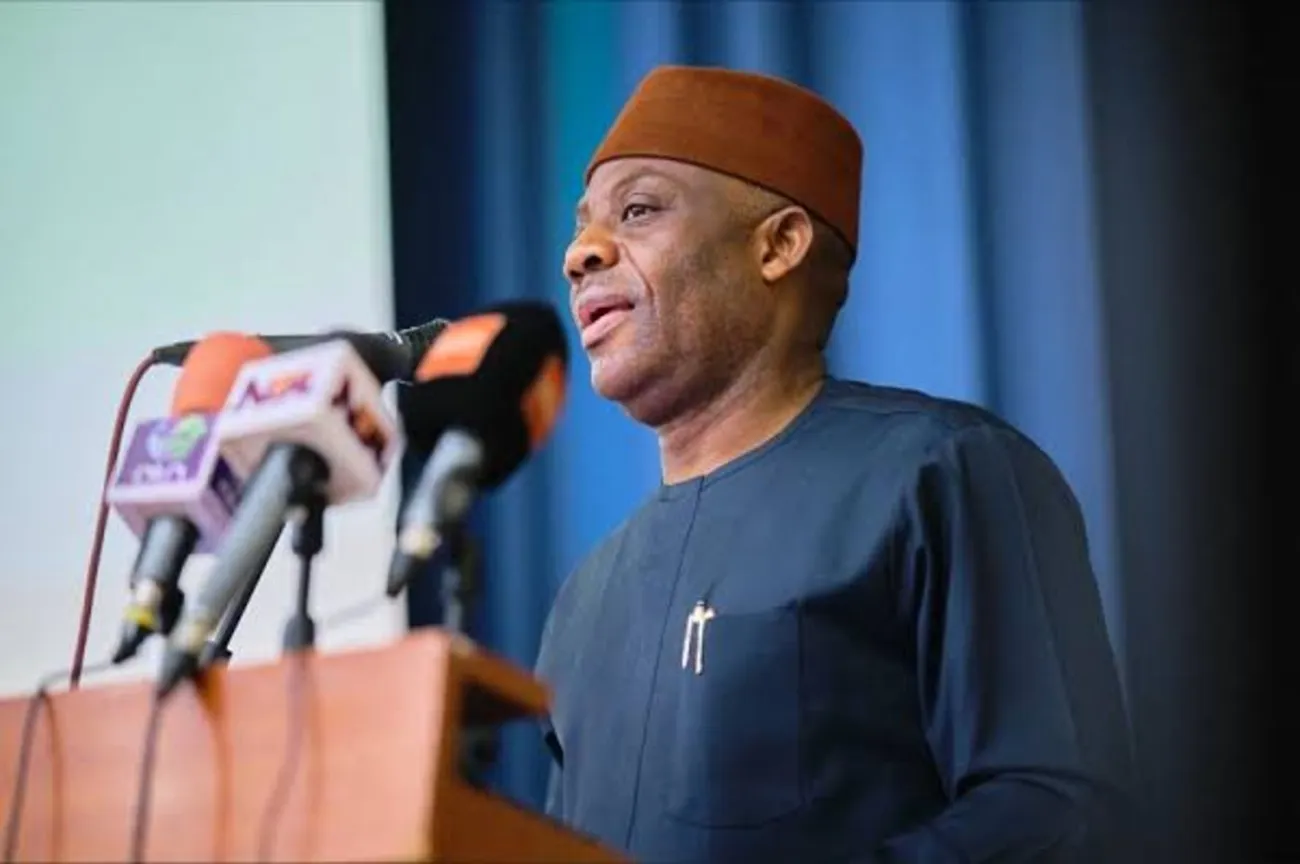
On January 24, 2026, as nations globally celebrated the International Day of Education, Nigeria seized the moment to spotlight its educational reform agenda. The Federal Ministry of Education issued a statement laying out the government’s priorities under President Bola Tinubu’s Renewed Hope Agenda. Central to this vision is the shift from traditional classroom models toward inclusive, participatory systems that put digital literacy, skills development, and entrepreneurship at the forefront of learning.
With more than half of Nigeria’s population under the age of 30, policymakers are keenly aware that the future of the nation rests on the shoulders of its youth. The reforms emphasise not just academic knowledge but practical competencies that align with the realities of a rapidly evolving job market. Technology integration, improved funding for education, strengthened teacher capacity, and expansion of technical and vocational programmes feature prominently in this strategic overhaul.
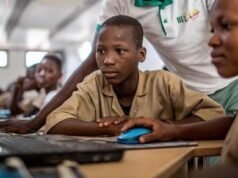
These government commitments are reinforced by recent moves to digitalise public education infrastructure. Initiatives such as the distribution of interactive smart boards to schools and the rollout of national digital classroom programmes highlight tangible steps toward modern learning environments. This transition from chalkboards to interactive digital tools is intended to make classrooms more engaging and responsive to the needs of contemporary learners.

Empowering Teachers and Learners
The Federal Government’s education reforms recognise that meaningful transformation depends on investing in both learners and educators. Beyond infrastructure improvements, there are ongoing efforts to equip teachers with modern pedagogical skills, including training in artificial intelligence, digital tools, and contemporary teaching methodologies. Training programmes for thousands of educators aim to bridge existing gaps and ensure that educators can effectively leverage technology for student success.
In the tertiary sector, the government is inviting private institutions to join national digital platforms such as the Tertiary Education Research and Application Service (TERAS). This move is meant to foster stronger collaboration, enhance research capabilities, and integrate digital tools into higher education. Such platforms support online learning, data-driven decision making, and research innovation, which can elevate the overall quality of tertiary education in Nigeria.
Moreover, the launch of committees such as the WorldSkills Nigeria National Team Committee reflects the government’s focus on aligning education with global standards of skills development. Through partnerships with international bodies and the establishment of dedicated teams, Nigeria is working to embed practical skills and competitiveness into its national education system.
A Unified Call to Action
While policy and infrastructure are vital, officials stress that successful reform demands collective effort. In its statement, the Federal Ministry of Education appealed to parents, communities, the private sector, and international partners to deepen collaboration. Achieving Sustainable Development Goal 4, which seeks inclusive and equitable quality education, is described not as a government task alone but a national responsibility.
This call to action aligns with broader continental efforts to eradicate learning poverty. Nigeria recently launched the Ending Learning Poverty for All in Africa campaign in partnership with the African Union, a strategic initiative championing basic literacy and numeracy skills across the continent. Such initiatives highlight interconnected goals: improving foundational education and preparing learners for more advanced, technology-driven opportunities.
At the same time, Nigeria’s push for digital literacy extends beyond schools into the civil service, reflecting a broad recognition that digital competence is essential in every sphere of national development. A Digital Literacy Action Plan for civil servants aims to ensure that government officials are equally prepared to operate in a technology-rich environment, enhancing the efficiency and responsiveness of public service.
Looking Ahead
As Nigeria advances its education reform agenda, it joins a global conversation about the future of learning. The International Day of Education theme for 2026, “Education Works”, highlights the transformative power of quality education to promote peace, development, and opportunity for all. Nigeria’s actions resonate with this theme as the government seeks to position education as a lever for economic growth and social inclusion.
However, the journey ahead is complex. Addressing infrastructure deficits, ensuring consistent teacher training, and providing equitable access to digital tools across urban and rural communities remain significant tasks. Success will depend on sustained political will, effective implementation, and ongoing evaluation. It will also require deepening engagement with stakeholders at every level, from local communities to global partners.
The reforms announced and the policies being rolled out suggest that Nigeria is determined to build an education system that is relevant to the 21st-century economy. By focusing on digital skills, entrepreneurship, and inclusive learning environments, the country is taking bold steps toward a future where young Nigerians are equipped to compete, innovate, and contribute meaningfully to national development.
In the months and years ahead, the impact of these reforms will become clearer as classrooms evolve, teachers adapt, and learners engage with new opportunities. If implemented with fidelity and supported by all stakeholders, these reforms could reshape the trajectory of education in Nigeria and prepare a generation for the demands of a changing world.
Join Our Social Media Channels:
WhatsApp: NaijaEyes
Facebook: NaijaEyes
Twitter: NaijaEyes
Instagram: NaijaEyes
TikTok: NaijaEyes
READ THE LATEST EDUCATION NEWS