The National Information Technology Development Agency (NITDA) has achieved a major milestone by delivering digital skills training to more than one million Nigerians under its partnership with Renewed Hope Initiative. The agency disclosed this achievement during the closing ceremony of the 2024 training cohort, held at the Banquet Hall of the Presidential Villa in Abuja, a ceremony graced by the presence of Oluremi Tinubu, First Lady and National Chairman of the initiative.
Among the beneficiaries are many women who participated in the recent Women ICT Training Empowerment Programme. This initiative appears to represent more than just numbers. It offers hope to individuals seeking to carve out opportunities in Nigeria’s fast-evolving digital economy. Graduates say they now feel more confident and equipped to pursue digital careers and entrepreneurial ventures.
Laying a Foundation for Economic Diversification and Human Capital Growth
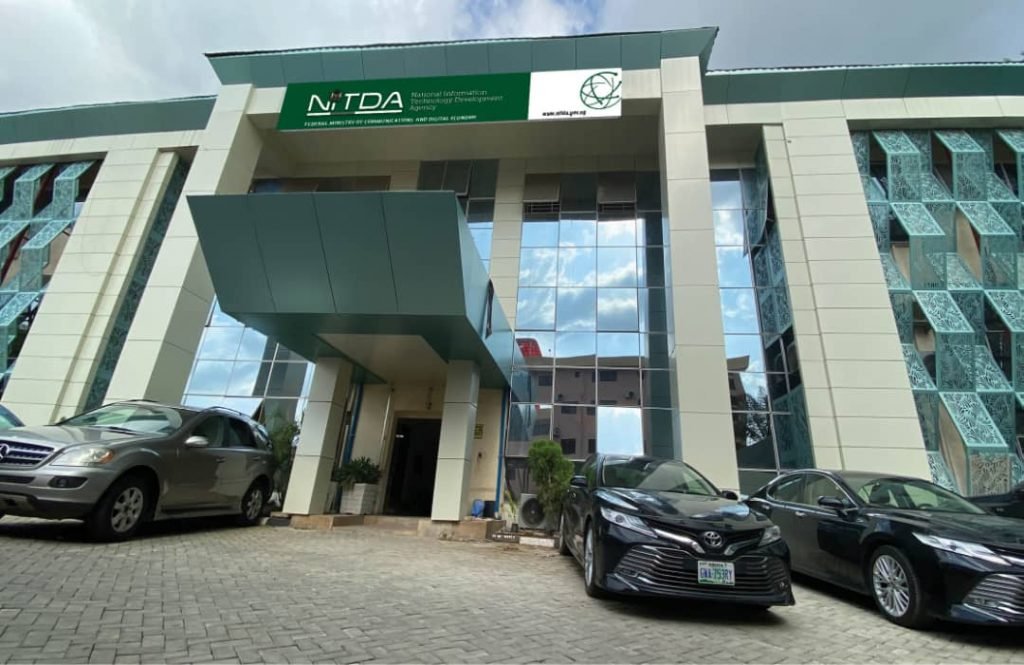
For NITDA, the training drive aligns neatly with the broader goals of the federal government’s digital agenda under the leadership of Bola Tinubu. The programme supports efforts to diversify the economy, build human capital and foster inclusivity in digital access and opportunity.
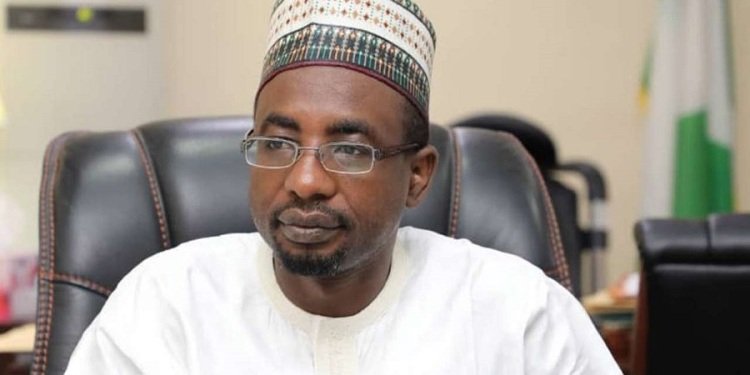
The agency’s Director General, Kashifu Inuwa Abdullahi, noted that a critical underpinning of this success is the agency’s comprehensive strategy for digital literacy, nested in the National Digital Literacy Framework (NDLF). Under this framework, NITDA is committed to achieving 95 percent digital literacy nationwide by 2030, with a mid-term milestone of 70 percent by 2027.
In recent years, NITDA has expanded its reach through various initiatives, including the Digital Literacy for All Initiative (DL4ALL), which brings training to civil servants, students, job seekers, informal sector workers and more.
Women at the Forefront: ICT Training Opens New Doors
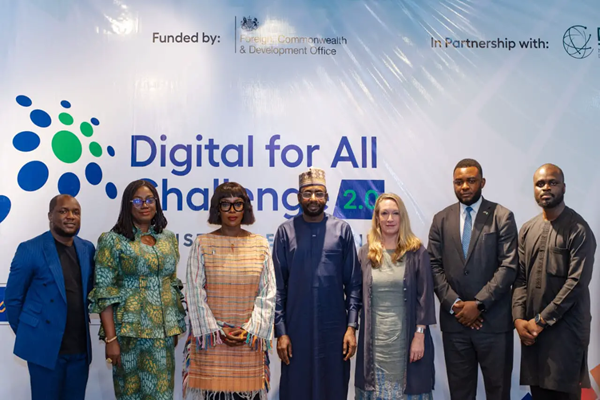
A particularly encouraging aspect of the initiative is the focus on empowering women. Since 2023, NITDA has trained increasing numbers of women: 35 in 2023, 252 in 2024, and 320 in 2025, bringing the total female beneficiaries to more than 600 across those cohorts.
At the closing ceremony, the First Lady urged the graduates to view their new skills as a starting point rather than an end, emphasising that small beginnings often pave the way for greater successes. She also announced plans to extend similar ICT training programmes to the wives of executives and urged participants from all regions to channel their skills into building a digital future.
Graduates shared their gratitude, mentioning that the training equipped them with practical, relevant skills and the confidence to navigate Nigeria’s digital economy, signalling that this programme is delivering beyond just certificates.
Scaling Up: From One Million to Nationwide Digital Readiness
While reaching one million Nigerians is itself an achievement, NITDA and the government are not stopping there. Under the DL4ALL banner and guided by the NDLF, the target is far broader. The agency aims to train as many as 50 million Nigerians by 2027, lifting national digital literacy levels to at least 70 percent by then. This is a critical step toward full digital inclusion by 2030.
To reach this ambitious goal, NITDA has initiated multiple programmes targeting different sectors, from formal public servants to informal workers such as artisans or traders, as well as students in both primary and tertiary institutions. Partnerships with private organisations and collaboration with institutions such as the National Youth Service Corps help broaden the reach and create scalable infrastructure for training.
Further, by providing tools in areas such as software use, data literacy, digital content creation, cybersecurity, communication and collaboration, NITDA is striving to equip Nigerians with relevant, usable skills that respond to the demands of a digital economy.
The agency is also engaging civil service ministries, deploying Digital Literacy Champions in ministries, departments and agencies nationwide to lead internal capacity building. This move is aimed at ensuring the public workforce keeps pace with evolving technology demands.
NITDA’s achievement in training over one million Nigerians is a strong signal that digital inclusion in Nigeria is not just talk but an actionable reality. With the combined efforts of government, development partners and private collaborators, the drive toward broad-based digital literacy is gaining momentum. As more citizens gain access to digital skills, the foundations are being laid for a more inclusive, empowered and future-ready Nigeria.
Join Our Social Media Channels:
WhatsApp: NaijaEyes
Facebook: NaijaEyes
Twitter: NaijaEyes
Instagram: NaijaEyes
TikTok: NaijaEyes