NMDPRA increases domestic gas price to $2.18 per MMBTU amid growing power sector debts
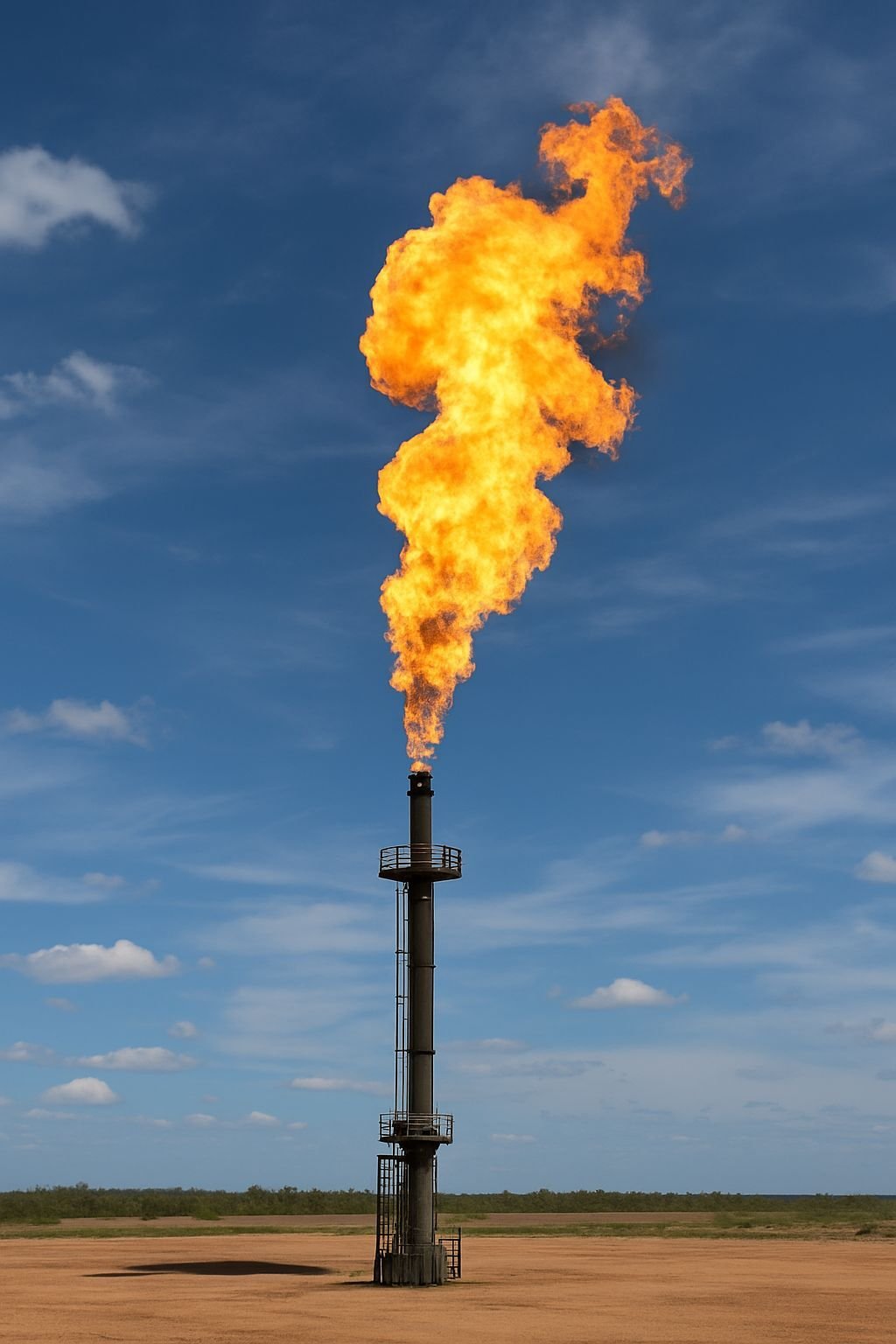
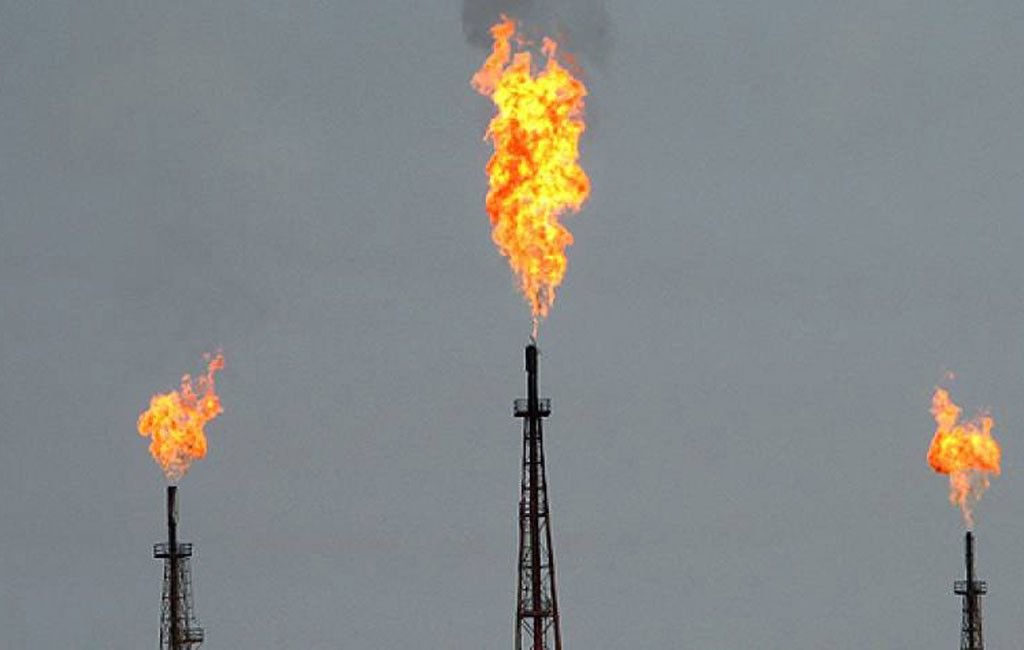
The Nigerian energy landscape is witnessing yet another pivotal shift as the Nigerian Midstream and Downstream Petroleum Regulatory Authority (NMDPRA) officially raised the base price of natural gas.
Effective from April 1, 2026, power generation companies will now pay $2.18 per metric million British thermal units (MMBTU). This represents a slight but significant increase of five cents from the previous $2.13 rate.
As someone who closely monitors the operational pulse of Nigeria’s energy sector, I know that even a marginal adjustment in primary feedstock can send massive ripples across the entire electricity value chain.
This adjustment, issued via a recent regulatory circular, is anchored firmly on the provisions of the Petroleum Industry Act (PIA) and reflects the complex, evolving market realities currently facing the entire federation.
Understanding the new pricing dynamics for commercial and industrial users
Beyond the power sector, other domestic users across the country are also feeling the weight of the new regulatory framework. Commercial gas off-takers will now have to pay $2.68 per MMBTU, up from the previous rate of $2.63.
For our struggling local industries, particularly those operating in gas-based sectors like urea, ammonia, methanol, and low-sulphur diesel production, the regulator has established a price corridor. This corridor sets a floor price at $0.9 and a ceiling at $2.18 per MMBTU.
This structured pricing band is intended to offer some degree of predictability for heavy industrial users, allowing them to better project their manufacturing costs in an environment that remains heavily impacted by broader inflationary pressures and high logistics costs.
The delicate balance between driving investment and ensuring affordability
The NMDPRA has emphasized that these revisions are not arbitrary but are guided by key principles enshrined in the PIA.
Chief among these is the urgent need to incentivize upstream gas producers to voluntarily allocate adequate gas volumes to the domestic market. For years, domestic gas supply has been a major bottleneck because producers often prefer to export their output for higher foreign exchange returns.
By moving closer to international benchmarks and keeping prices in line with comparable emerging economies, the regulatory authority is attempting to make the local market attractive for investors.
However, as an editor observing these policies, the real challenge lies in striking a balance between offering attractive returns to producers and ensuring that the final cost of power remains bearable for Nigerian businesses and households.
Navigating a power sector already burdened by massive legacy debts
This new pricing regime arrives at a highly sensitive time for the country’s electricity ecosystem. Generation companies (GenCos) are currently locked in a precarious financial standoff with gas suppliers over an estimated N3.3 trillion in outstanding debts. Concurrently, the GenCos claim that the Federal Government owes them over N6.5 trillion, creating a severe liquidity crisis across the entire power grid. While the government has previously discussed the implementation of a N4 trillion bond to clear these verified arrears, the actual financial relief has been slow to materialize.
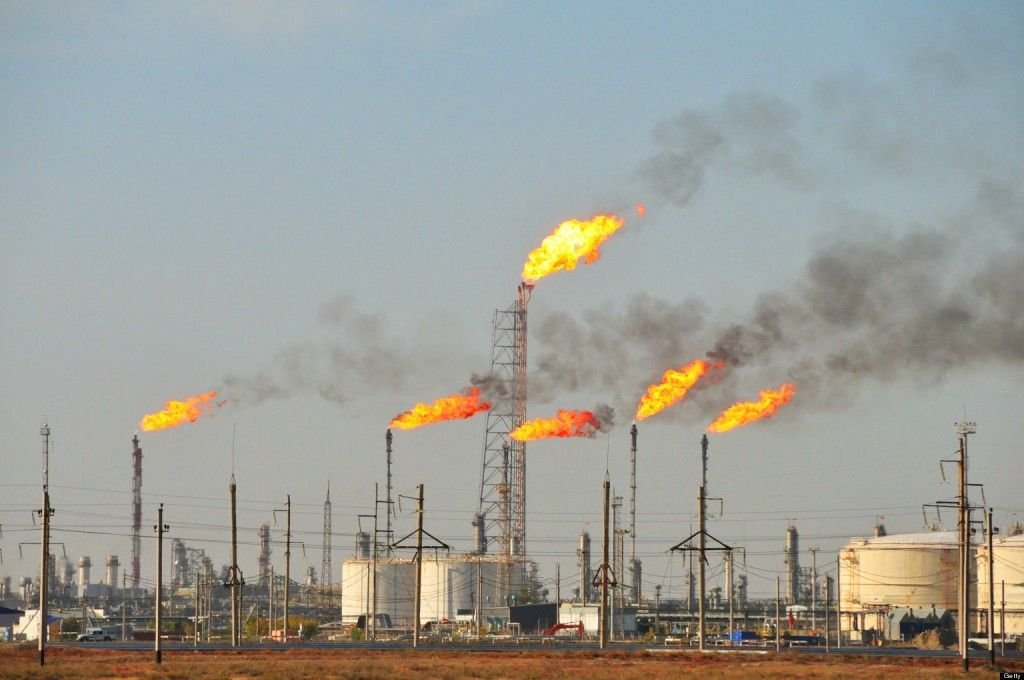
Adding increased gas costs to this already fractured system could further strain electricity generation capacities, making it even more difficult for operators to guarantee stable power supply for everyday Nigerians.
Join Our Social Media Channels: