NNPC liquidity concerns and the new oil revenue executive order
The Nigerian oil sector is currently witnessing a massive shake-up that has sent tongues wagging from the boardrooms of Lagos to the streets of Abuja. President Bola Tinubu recently signed a bold executive order that effectively ends the long-standing tradition of the Nigerian National Petroleum Company Limited (NNPCL) deducting operational costs before remitting oil proceeds.
For years, the “real koko” of the matter was that NNPC functioned like a landlord who collects rent, spends what he likes on “repairs,” and then gives the family whatever is left. Now, the President has said “no more.”
Every kobo from oil sales must hit the Federation Account first before any spending happens. While this sounds like a victory for transparency and accountability, it has sparked a wave of serious liquidity concerns among financial analysts who wonder if the national oil giant is being set up for a “cash crunch.”
Why the “pay-before-service” model is giving analysts sleepless nights
As a professional editor who has seen many reforms come and go, I can tell you that this is a classic “double-edged sword” situation. The major fear here is the liquidity trap. Analysts argue that if NNPC remits 100% of its revenue to the Federation Account, it might struggle to fund its Joint Venture (JV) operations and daily maintenance.
In the oil and gas business, you need cash “sharp-sharp” to keep the rigs running and the pipes flowing. If the company has to wait for a monthly budget allocation or a long legislative process before it can buy a single spare part, the entire engine of our economy could start “showing us shege.”
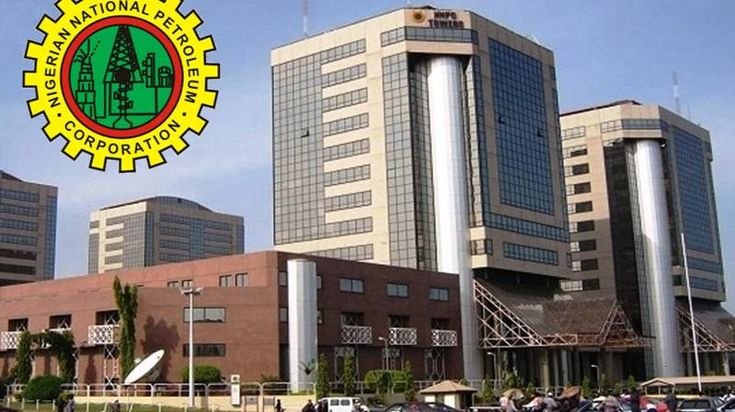
This “pay-before-service” model looks good on paper for the three tiers of government, but it could inadvertently starve the very company that produces the wealth they want to share.
The struggle between transparency and the survival of the oil giant
We all know that the NNPC has historically been a “black box” where money goes in and stories come out. This executive order is the President’s way of ensuring that states and local governments get their fair share of the national cake without any “wuru-wuru.” However, the “senior man” analysts in the financial sector are pointing out that the NNPC is now a limited liability company.
For a company to compete globally, it needs a healthy balance sheet and the ability to reinvest its profits quickly. By stripping it of its ability to fund operations at source, there is a risk that the company’s credit rating could be negatively impacted.
If international partners see that NNPC is “broke” or tied down by government bureaucracy, they might think twice before signing those multi-billion dollar investment deals we desperately need.
Navigating the technicalities of Nigeria’s new oil money rules
At the end of the day, the success of this reform will depend on the “fine print” of how the funding gap is bridged. If the government creates a specialized, fast-track budgetary system to fund NNPC’s operations, then we might escape the looming liquidity crisis. But if we fall into the trap of “come today, come tomorrow” for operational funds, our oil production levels—which are already struggling—might drop even further.
The government wants more money to fund the budget, and the NNPC needs money to keep producing that revenue. It is a delicate balancing act that requires more than just “grammar.” It needs a technical solution that protects the company’s cash flow while satisfying the nation’s hunger for transparency. For now, all eyes are on the NNPCL to see how they will manage this new reality without running dry.
Join Our Social Media Channels: