
Obafemi Awolowo University’s plan to use artificial intelligence across teaching, research and administration is moving into implementation planning. Its partnership with Astria Learning is intended to extend the university’s reach beyond Ile-Ife through a digital campus. Whether it widens access will depend on affordability and whether AI improves learning.
Workshop Moves the eCampus Plan Forward
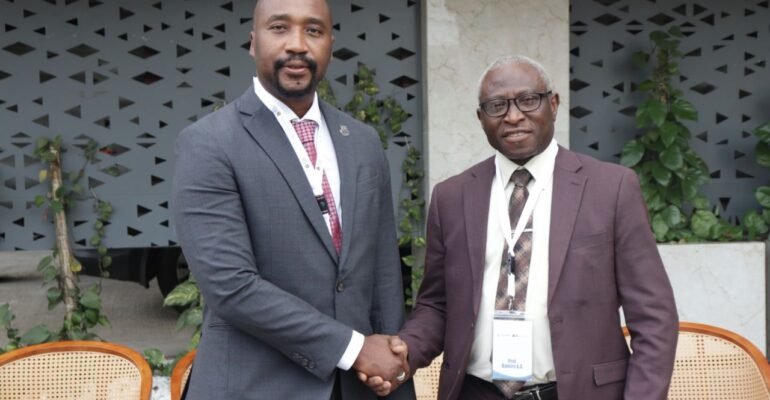
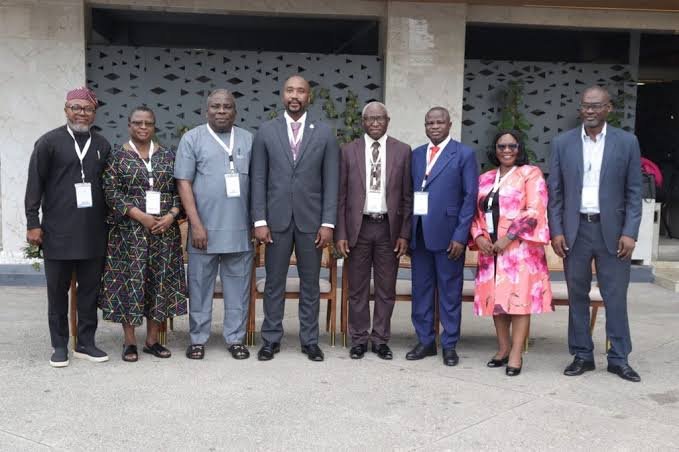
A two-day workshop in Lagos on November 9 and 10 brought OAU’s academic, technical and administrative leaders together with Astria Learning. Discussions covered curriculum approval, academic delivery, institutional processes and student onboarding for the planned OAU eCampus 2027. The university described the meeting as a step towards a practical roadmap, not the opening of an operational platform.
AI Plan Goes Beyond Online Lectures
Vice-Chancellor Adebayo Simeon Bamire told the News Agency of Nigeria (NAN) that AI would be integrated into teaching, research and administration. He said OAU selected Astria after considering other organisations, citing its multidisciplinary approach and capacity to incorporate AI into learning.
The ambition is broader than uploading lecture notes. Yet public announcements reviewed for this report do not specify which AI tools will be deployed, what safeguards will govern their use, or how OAU will measure their effect on teaching quality. These details matter: AI may support research and routine administration, but cannot replace academic judgement, practical training or lecturer-student engagement.
Proposed Programmes and a Hybrid Model
Bamire proposed a hybrid model, with about 70 per cent of teaching online and 30 per cent involving physical engagement. This was his proposal, not a published final timetable. Astria chief executive Jeff Bordes identified possible postgraduate offerings in AI, public health and mass communication, alongside workshops, masterclasses and micro-credentials. The final programme list and admission details remain unpublished.
Affordability Will Determine Who Benefits
An online campus could help workers and people living far from Ile-Ife study without relocating. But students still need suitable devices, reliable electricity, affordable data and digital skills.
Nigeria’s National Digital Learning Policy identifies connectivity, devices and reliable power as essential conditions for digital education. The Nigerian Communications Commission has announced up to 100MB of daily data for eligible users accessing approved educational platforms. OAU eCampus should not be assumed to qualify: platforms must be assessed and placed on the NCC’s approved list.
Bordes acknowledged that delivering quality education, including bringing international experts to work with Nigerian academics, raises cost challenges. He said Astria was exploring how to balance those costs with learners’ financial realities. OAU has not published programme fees, scholarships or data-support arrangements. These will matter as much as the technology.
Back Story: Discussions Began Earlier in 2026
The November workshop did not mark the start of the partnership. Bamire told NAN that discussions began early in 2026 and OAU moved to sign a memorandum of understanding after recognising the collaboration’s potential. The workshop focused on curriculum approval, eCampus establishment and student onboarding.
OAU and Astria describe the project as a planned 2027 eCampus. Until the university publishes approved programmes, fees, entry requirements and student-support arrangements, prospective applicants should treat it as a project in development, not an open admissions route.