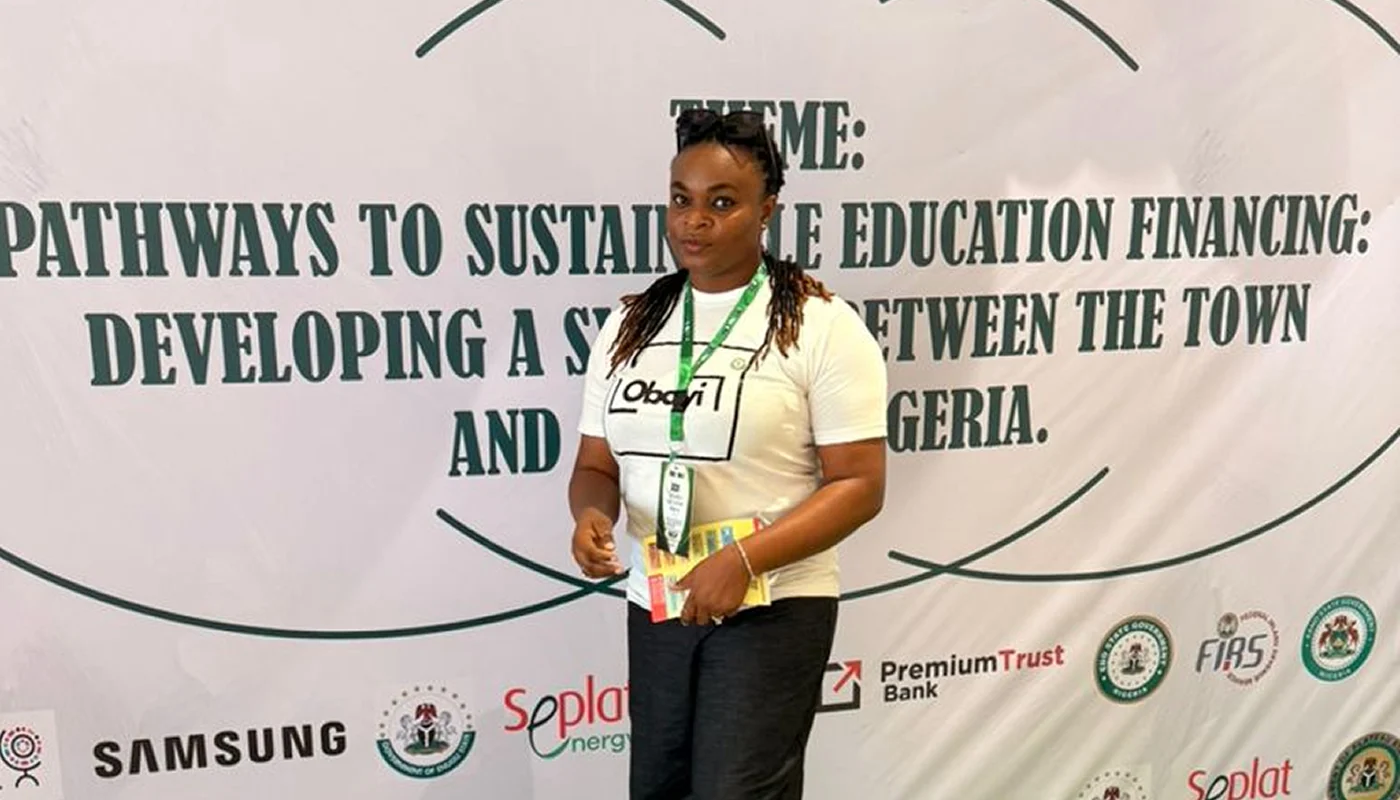
Abuja was a hive of purposeful dialogue recently as education leaders, government officials and civil society actors gathered for the 2025 Nigeria Education Forum. Among the organisations present was the Obayi for Education Foundation, a non-governmental group passionate about expanding access to quality learning for underprivileged children. The two-day gathering in the nation’s capital drew seasoned policymakers and sector stakeholders to address persistent challenges and possible solutions in Nigeria’s education system.
The forum’s agenda was anchored around “Pathways to Sustainable Education Financing: Developing a Synergy Between the Town and Gown in Nigeria.” As the conversation unfolded, participants emphasised the urgency of identifying innovative ways to support the financial sustainability of education, especially in public institutions. Across plenary sessions and breakout panels, ideas were shared on strengthening collaborations between government, private sector partners and civil society to deliver educational improvements that can endure beyond short-term projects.
This event did not merely attract sector insiders; it was a rare occasion where decision-makers at the highest level of government stood side by side with educators, students, and advocates. Vice President Kashim Shettima took part in the discussions alongside Senate President Godswill Akpabio and Deputy Speaker Benjamin Kalu. The presence of the Minister of Education, Olatunji Alausa and the Minister of State for Education, Suwaiba Sa’id Ahmed, highlighted the administration’s commitment to education reform. Representatives from ministries and education commissions from all 36 states also contributed to the deliberations.
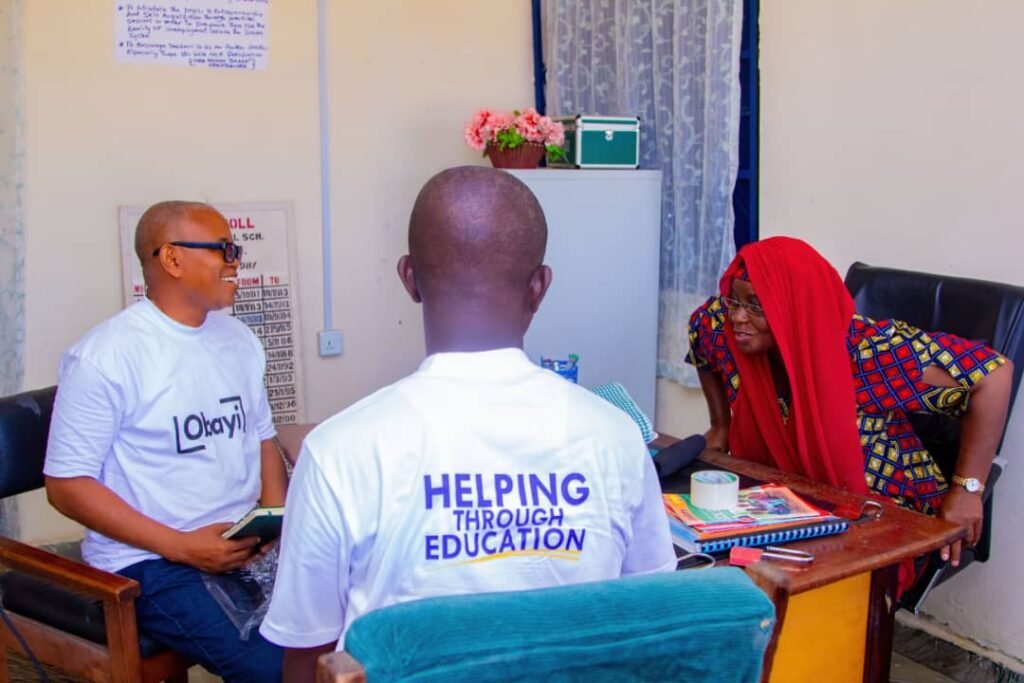
Obayi for Education Foundation: A Platform for Sustainable Education Financing
At the heart of the forum lay a deep concern about the way education is funded nationwide. Policymakers, development partners and practitioners reviewed data and shared insights about the gaps in financing that continue to affect teaching and learning outcomes. These conversations underscored the need for long-term investment approaches instead of one-off funding bursts that often fail to produce lasting impact.
For many speakers, the discussions were a clarion call for collective action. The model of sustainable financing explored at the event centred on partnerships across sectors, including business, philanthropy and community organisations. Officials insisted that by harnessing shared resources and expertise, Nigeria can achieve a stronger educational system capable of preparing children for the demands of an increasingly complex world.
This strategic focus resonates with a growing understanding across the country that education must be a central pillar of national development. Advocates at the forum linked school financing with broader goals like accelerated socio-economic transformation and poverty reduction. Such framing reflects the sentiment of education champions everywhere: learning is both a fundamental right and a catalyst for societal progress.

Obayi Foundation’s Contributions and Impact
For the Obayi for Education Foundation, attending the forum was about much more than participating in conversation. It was also an opportunity to showcase its grassroots interventions in communities across Nigeria. In the past year, the foundation has embarked on several concrete projects aimed at improving school environments and learning conditions for children who would otherwise struggle to access basic resources.
In Katsina State’s Kankara Local Government Area, for example, the foundation renovated classrooms and supplied desks, chairs and school bags to pupils at Nagora Kandayar Primary School. These seemingly small contributions have a ripple effect, giving young learners a more conducive classroom experience and encouraging school attendance. In Adamawa State, the foundation reached refugee students at the Quantanamu Internally Displaced Persons Camp in Girei, distributing essential educational materials to children who have endured displacement and disruption to their schooling.
Through these activities, the foundation reinforces its core belief that education is a powerful tool for breaking cycles of poverty and unlocking opportunities. Its work also reflects a broader movement within Nigeria where civil society groups complement government efforts by bringing resources, innovation and local knowledge to bear on stubborn educational challenges.
Experts and advocates at the forum pointed out that such grassroots initiatives play a vital role in the national education agenda. By working directly with schools and community members, organisations like Obayi help illuminate on-the-ground realities that should inform policy decisions. This feedback loop, from local action to national policy, is essential if reforms are to be meaningful and responsive to student needs.

Voices from the Field and Pathways Forward
As the forum drew to a close, participants reflected on the complexity of the challenges facing Nigeria’s education sector. Sustainable financing, while a critical issue, is only part of a broader ecosystem that includes teacher support, infrastructure development, curriculum relevance and effective leadership at all levels. Stakeholders agreed that solutions would require patience, strategic thinking and genuine collaboration between all actors in the education space.
Government officials reiterated their commitment to strengthening the system, while civil society representatives pledged to continue championing student-centred interventions. Educators and students, who brought firsthand perspectives to discussions, stressed the importance of practical actions that translate policy into classroom results. The overarching message was clear: the future of Nigeria’s children depends on sustained commitment from every sector of society.
Beyond the forum itself, many participants believe the real work begins now. The conversations in Abuja will need to be translated into concrete policies, funding mechanisms and partnerships that can weather economic uncertainties and social change. If the collective energy displayed at the forum is any indicator, there is growing momentum to change the trajectory of education in Nigeria for the better.
In the months and years ahead, observers and practitioners alike will be watching how the ideas and commitments made in Abuja translate into results on the ground. For children, families and communities across the country, the hope is that rhetoric on education becomes action and that every child, regardless of background, can access a quality education that equips them to thrive.
Join Our Social Media Channels:
WhatsApp: NaijaEyes
Facebook: NaijaEyes
Twitter: NaijaEyes
Instagram: NaijaEyes
TikTok: NaijaEyes
READ THE LATEST EDUCATION NEWS