OpenAI has taken a significant step to support its workers grappling with the growing complexity of the United States immigration enforcement. The artificial intelligence company has unveiled a new assistance programme to help staff and their immediate family members who may be affected by immigration authority actions in the US, including detention or extended reviews at border checkpoints. This development highlights how tech employers are adapting benefits to meet rapidly evolving needs in a tense policy climate.
Table of Contents

What the Support Package Includes
OpenAI’s newly announced resource package offers up to $15,000 in reimbursable costs for staff dealing with difficult immigration situations. This financial sum can be applied to legal fees, transportation, meals and accommodation tied to immigration cases. In addition to financial support, the company is offering expedited referrals to experienced immigration law professionals who can provide counsel and guidance.
Employees will also have access to a resource guide designed to assist them through complex interactions with US immigration authorities. This includes information on how to locate detained individuals and where to find more affordable or pro bono legal support. The company has said these changes are part of its regular review of employee benefits to reflect the needs of a global workforce.
The support package extends beyond staff to cover immediate family members. This means that if a spouse, child or another close relative is facing a difficult encounter with Immigration and Customs Enforcement or customs officials, the employee can still access the assistance resources on their behalf.
Why OpenAI Is Taking This Step
This move comes at a time when immigration enforcement has sparked debate across the United States. High-profile incidents involving detention and prolonged secondary screenings by US Customs and Border Protection have triggered protests and raised questions about fairness and transparency in the way the system treats non-citizens and visitors. Companies with international workforces have felt the pressure to offer more help to staff caught in these policies.
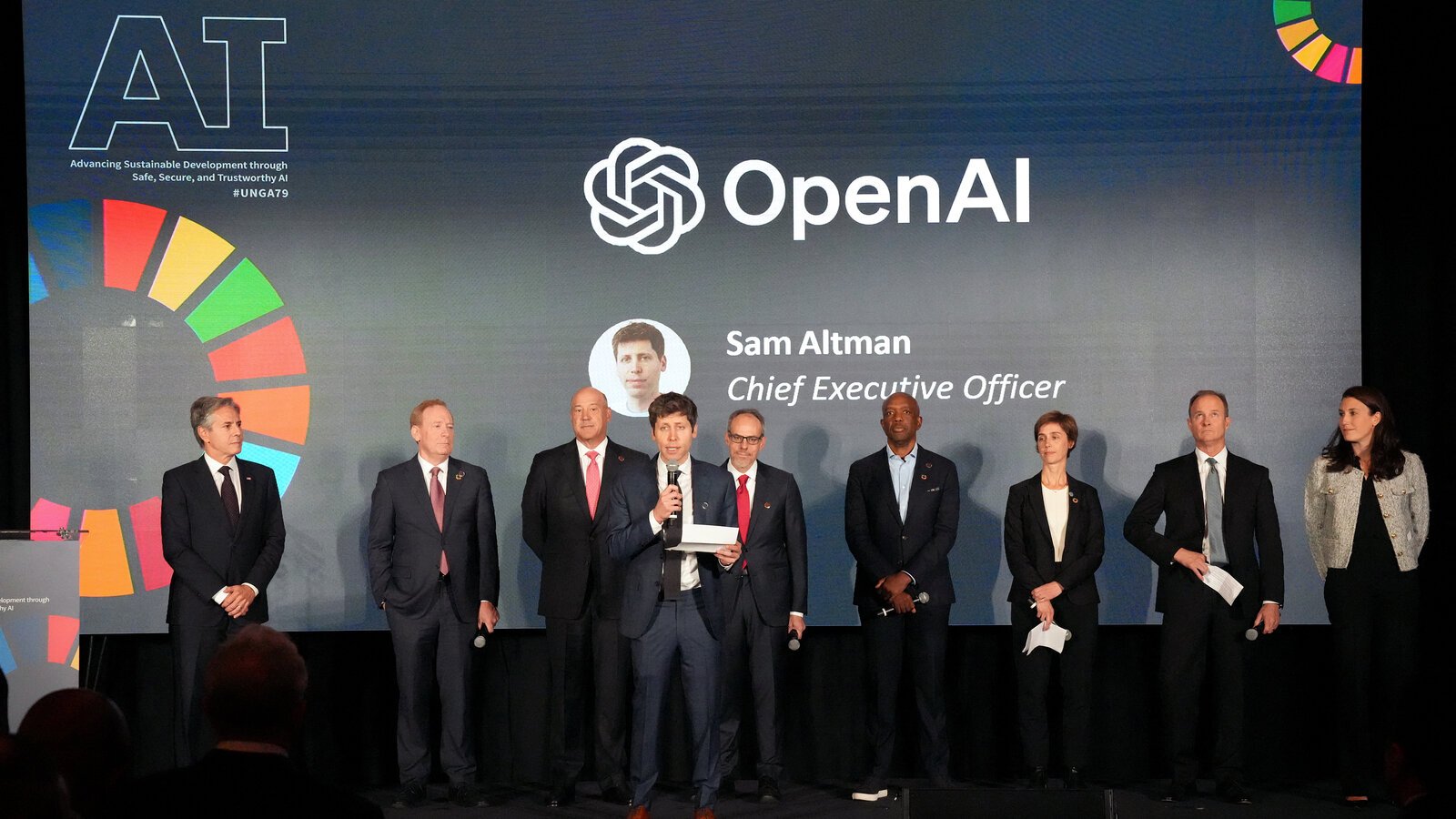
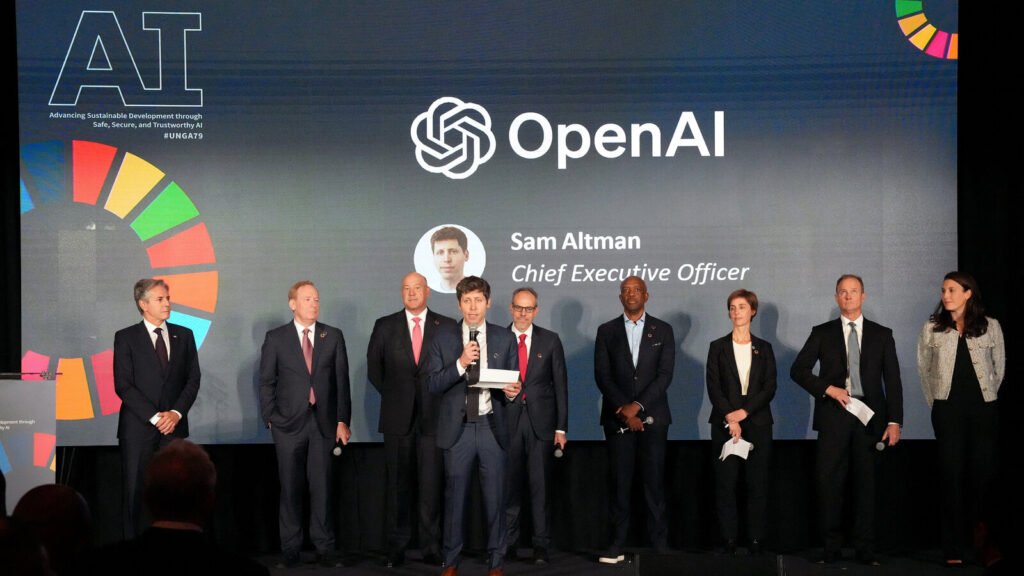
OpenAI Chief Executive Officer Sam Altman has been vocal within the company about his concerns over recent immigration enforcement practices. In internal communications to staff, Altman described some of the actions taken by immigration authorities as excessive and urged employees to stand up against what he called government overreach. His comments reflect broader tensions within the tech industry, where many firms depend on highly skilled workers from around the world and have been critical of restrictive immigration policies.
The new support resources signal OpenAI’s intention to recognise the real human impact of immigration enforcement on its workforce. Many tech firms have employees who travel internationally for work or who live in the United States under temporary visas. Facing extended inspections or unexpected detentions can be disruptive and costly, and the company’s programme seeks to ease some of that burden.
How This Might Affect Employees
For employees at OpenAI who are navigating these challenges, the assistance package could prove crucial. Up to $15,000 in reimbursable expenses may cover the majority of legal costs in many immigration cases, which can otherwise run into tens of thousands of dollars. Access to referrals for immigration counsel also gives staff quicker entry to professional legal help, which can make a significant difference in outcomes during complex cases.
The practical concerns that the support package addresses are varied. For example, if an employee or their family member is detained or flagged for extended secondary inspection at a port of entry, the reimbursement of travel and lodging costs can ease financial stress. The resource guide is structured to help individuals and families navigate unfamiliar processes at a time when anxiety levels can be high.
While OpenAI did not disclose how many staff members might need these resources, the company acknowledged that its workforce includes many international talent. As such, provisions that address legal, logistical and financial hurdles tied to immigration may be especially relevant for those on work visas or who frequently travel across borders for business.
Broader Industry and Policy Context
The announcement by OpenAI arrives against a backdrop of heated national discussions about immigration enforcement. Agencies such as Immigration and Customs Enforcement and US Customs and Border Protection have been at the centre of debates over detention practices and treatment of migrants. Public scrutiny has increased after several controversial incidents involving the use of force by federal immigration officers, leading to protests and calls for policy reform.
These developments have put pressure on employers, especially in industries that rely heavily on foreign talent. Companies beyond OpenAI have also expressed concern about immigration policy impacts on their ability to attract and retain skilled workers. Some tech giants have warned their staff with US visas to be cautious about international travel due to delays and additional checks at embassies.
At the same time, there are broader discussions within the tech sector about the need for updated immigration rules that reflect current global talent demands. Advocates argue that outdated visa categories and slow processing times can harm innovation and competitiveness. For instance, major tech firms have urged the US government to modernise programs to keep pace with sectors like artificial intelligence and cybersecurity.
Against this backdrop, OpenAI’s approach may set a precedent for other companies. Providing targeted support for staff affected by immigration challenges can help businesses maintain morale and show commitment to employee well-being. It might also influence how employers consider benefits packages in an increasingly globalised workforce.
Looking Ahead
As immigration enforcement remains a contentious issue in the United States, companies with global operations are likely to continue refining how they support their employees. OpenAI’s programme represents a proactive step to help staff through legal and logistical difficulties that could otherwise be financially draining and emotionally taxing.
For OpenAI, this support initiative could also play a role in talent retention and recruitment. In a competitive labour market where skilled workers have options across continents and industries, demonstrating a commitment to staff welfare is increasingly important. Many employees value employers who assist through personal and legal challenges, not just through traditional benefits like health insurance or retirement plans.
In summary, OpenAI’s new support package for employees affected by US immigration authorities reflects a growing trend among tech firms to address the human side of complex policy environments. By offering financial aid, legal guidance and resources tailored to the challenges of immigration enforcement, the company is responding to the real needs of its workforce and shining a spotlight on how employers and policy can intersect in today’s global economy.
Join Our Social Media Channels:
WhatsApp: NaijaEyes
Facebook: NaijaEyes
Twitter: NaijaEyes
Instagram: NaijaEyes
TikTok: NaijaEyes