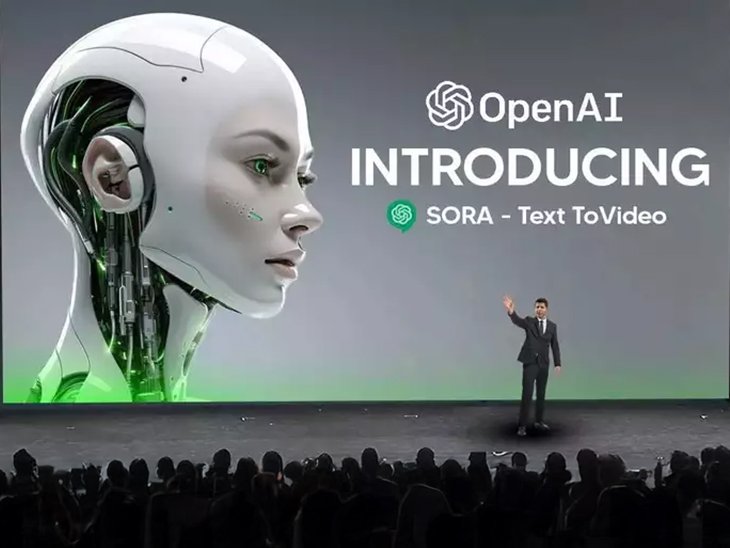
Multimodal artificial intelligence is taking another bold leap as OpenAI reportedly prepares to fold its AI video creation engine Sora into its globally used chatbot platform ChatGPT. Information from industry insiders, shared with technology publication The Information, suggests that this integration is expected soon and could reshape how millions of users create and interact with AI‑generated content on a daily basis. The development points to a larger strategy by OpenAI to strengthen innovation and competitiveness in a fast‑moving sector where rivals are also pushing similar technologies.
This shift towards video reflects a broader trend in the AI world where tools are evolving beyond text to handle richer forms of media. It comes against the backdrop of growing interest in video creation tools powered by artificial intelligence and heightened competition across major tech companies.
Table of Contents
What Sora Is and Why It Matters
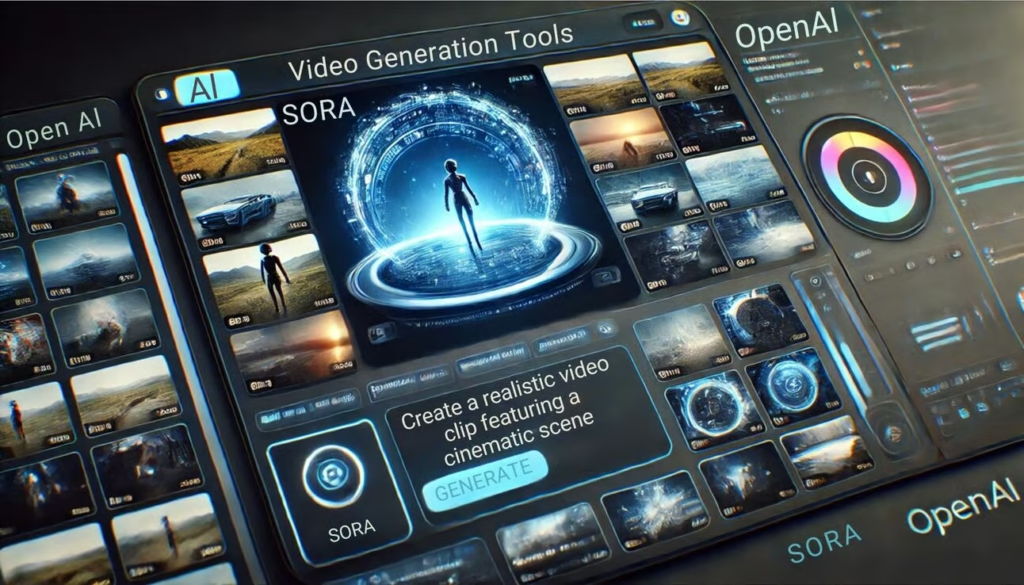
Sora is a generative video model developed by OpenAI that transforms text prompts into full video clips using advanced artificial intelligence. First introduced as a standalone application by OpenAI in late 2025, Sora allows users to input descriptive language and receive realistic video footage in return. The app also supports the sharing of these AI‑generated videos in social media‑style feeds.
The tool has been positioned as part of the next wave of AI innovation that stretches beyond text responses to more immersive media outputs. Compared to earlier AI tools focused purely on written or still image content, Sora represents a frontier where users can create motion pictures with natural scene transitions and creative depth. This places OpenAI in direct competition with other industry players who are innovating in text‑to‑video technologies.
Integrating Sora into ChatGPT could make video generation far more accessible. Instead of opening a separate app or service, millions of users could simply ask ChatGPT to make videos for them as part of the same chat experience. Analysts believe this might significantly broaden Sora’s reach and use cases, especially among creators, educators, marketers, and social media users who already rely on ChatGPT for information and content generation.
Strategic Moves Amid Industry Competition
OpenAI’s decision to embed Sora into ChatGPT seems to be driven by both innovation goals and competitive pressures. AI models that handle multiple types of media, known as multimodal systems, are considered the next major area of growth because they allow richer interaction and more creative outputs. Companies like Meta and Google are also developing their own text‑to‑video AI solutions to attract users interested in creating dynamic content.
By bringing both text and video capabilities under one platform, OpenAI could make ChatGPT more indispensable for users who want a single tool for all kinds of creative tasks. This includes students doing multimedia projects, entrepreneurs building marketing clips, and hobbyists experimenting with AI‑guided storytelling. Such an expanded set of features could help ChatGPT stay competitive in the face of pressure from rival AI ecosystems.
While the exact release date and pricing structure for the integrated Sora in ChatGPT have not been officially disclosed by OpenAI, industry watchers say that the move could come as part of a product update in the coming months. The Information’s reporting stressed that Sora will continue to exist as a standalone application even after it becomes part of ChatGPT. This strategy allows OpenAI to maintain a presence both as an independent video creation service and as part of its flagship chatbot offering.
Challenges and Expectations for Users
Although the venture into video generation has excited many tech enthusiasts, integrating Sora into ChatGPT is not without its challenges. Creating high‑quality videos through AI is computationally intense and may require more processing power and infrastructure behind the scenes. This could introduce new costs for OpenAI and potentially influence how the feature is priced for users, especially those on free or basic subscription plans.
There are also content considerations. Because AI‑generated video can draw on copyrighted material or resemble existing media, platforms must carefully balance innovation with respect for intellectual property rights. OpenAI has in the past built in safeguards and metadata tagging to help identify AI‑created content, but expanded video use will likely bring fresh discussions about transparency and ethical standards.
For everyday users, however, the potential benefits are clear. Imagine a teacher crafting a quick history video from a lesson prompt or a small business owner asking ChatGPT to generate promotional clips for a new product campaign. The integration could open a range of creative opportunities previously reserved for specialised video software.
As this story unfolds, OpenAI’s forthcoming updates to ChatGPT and Sora will be watched closely by developers, creators, and everyday users alike. They will be looking to see not only when the new features go live but also how easily users can adopt them and whether they deliver the quality and performance that today’s digital audiences demand.
Join Our Social Media Channels:
WhatsApp: NaijaEyes
Facebook: NaijaEyes
Twitter: NaijaEyes
Instagram: NaijaEyes
TikTok: NaijaEyes