OpenAI is making headlines this week with a bold recruitment drive as the artificial intelligence pioneer looks to bring on board a senior safety executive. The role is titled Head of Preparedness, and it comes with an eye-watering compensation package, reflecting the importance the company places on safeguarding the future of its technology as it scales.
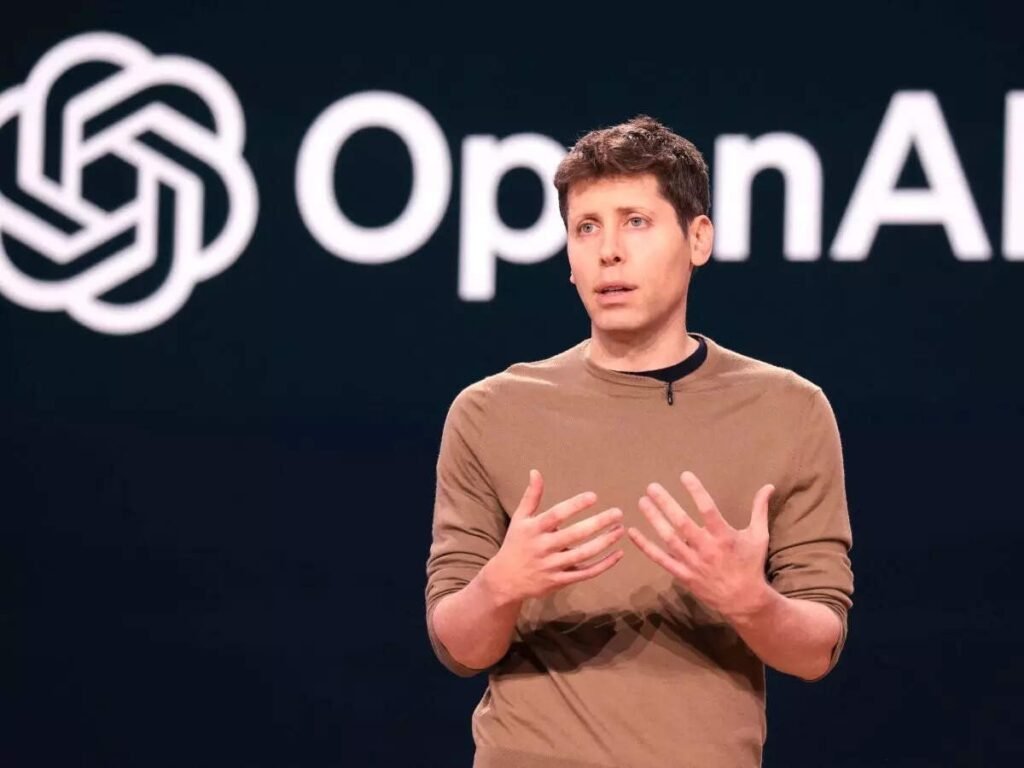
The search for this new executive leader follows months of intense debate about the risks and rewards of advanced AI systems and wider public concern over how rapidly evolving models interact with society. CEO Sam Altman publicly shared the job opportunity, describing it as one of the most demanding positions at the company and one that will require someone prepared to handle complex and evolving challenges from day one.
Table of Contents
A High-Stakes Role in a Rapidly Evolving Field
The Head of Preparedness sits within OpenAI’s Safety Systems team, a group dedicated to ensuring the company’s most powerful models are developed responsibly and deployed safely. At its core, the role is about anticipating and responding to risks that accompany frontier artificial intelligence capabilities before they manifest in the real world.
According to the official job description, the successful candidate will lead the design and execution of the company’s preparedness framework. This includes building and coordinating capability evaluations, establishing threat models, and guiding mitigation strategies across a range of risk domains such as cybersecurity and biological threats.
The role also requires deep technical judgement and an ability to work collaboratively across research, engineering, policy, and enforcement teams. The goal is to ensure that insights from the preparedness framework inform critical company decisions, including launch choices and safety cases.
Rewarding Responsibility in a Tense Tech Landscape
OpenAI has placed significant financial weight behind this recruitment effort. The salary on offer for the Head of Preparedness is reported at around $555,000 per year, in addition to equity in the company. This remuneration sits among the highest for safety-oriented roles across the tech industry, signalling just how important OpenAI views the function.
Sam Altman’s public announcement made clear that this is not a standard executive role. He warned candidates that the position would be demanding, telling potential applicants that they would be “jumping into the deep end” and that the job would be “stressful” from the outset. This candid admission has attracted both admiration and scepticism from industry watchers.

Responding to Real and Perceived Risks
The creation of this role comes amid growing scrutiny of AI safety as advanced systems increasingly demonstrate capabilities that touch on critical areas such as cybersecurity and mental health. For example, OpenAI itself has acknowledged that its models are now “so good at computer security that they are beginning to find critical vulnerabilities,” underscoring the dual nature of cutting-edge AI where benefits and risks grow together.
In addition to these technical concerns, there has been wider public discourse around the social impact of AI, including allegations that the use of chatbots has contributed to negative mental health outcomes for vulnerable users. These real-world implications have amplified calls for stronger governance and risk management within the industry.
OpenAI appears to be responding directly to this landscape. By elevating preparedness and safety to a senior executive level, the company is signalling that proactive risk management is central to its mission. Yet some critics argue that this move also highlights broader tensions within the AI world, where rapid innovation can outpace regulatory frameworks and institutional safety cultures.
What This Means for the AI Industry
The establishment of the Head of Preparedness role is a noteworthy development not just for OpenAI but for the AI sector at large. As the discussion around AI governance continues to intensify globally, companies developing powerful models are under growing pressure to demonstrate that they can self-manage risks effectively.
While the job title itself may be unique today, the underlying principle is becoming more common across organisations investing in AI risk, security, and ethical frameworks. This shift reflects a broader industry trend toward embedding safety and foresight into the core of AI innovation.
In Nigeria and worldwide, where AI adoption is accelerating in sectors such as finance, healthcare, and education, the decisions taken by leaders in Silicon Valley and beyond have ripple effects. The success or failure of roles like the Head of Preparedness could influence global approaches to AI regulation, corporate risk strategy, and public trust in next-generation technologies.
Conclusion
OpenAI’s move to hire a Head of Preparedness marks a pivotal moment in the company’s evolution. With AI models becoming increasingly capable and intertwined with daily life, the need for strong governance and strategic foresight has never been more urgent. The hefty salary and emphasis on technical expertise reflect OpenAI’s belief that this role will play a central part in shaping how safe and beneficial AI systems are built and deployed.
As the search continues, all eyes will be on how this appointment influences both the internal culture at OpenAI and the broader narrative about safety and responsibility in the fast-moving world of artificial intelligence.
Join Our Social Media Channels:
WhatsApp: NaijaEyes
Facebook: NaijaEyes
Twitter: NaijaEyes
Instagram: NaijaEyes
TikTok: NaijaEyes