Peter Obi Calls Out FG Over Contractor Payment Failure Amid Revenue Surge
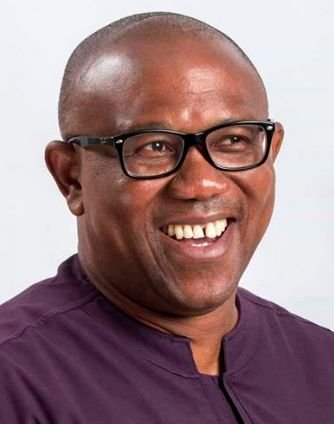
Former presidential candidate and ex-Anambra State Governor, Peter Obi, has issued a sharp criticism of the Federal Government (FG), accusing it of failing to settle certified payments for local contractors despite the country’s reported revenue growth in 2025.
The call-out, made via X (formerly Twitter), responds to mounting protests by unpaid contractors across Abuja and other regions who are owed money for work completed on federal projects in 2024 and 2025.
Table of Contents
The Contradiction: Revenue Claims vs. Unpaid Contractors
Peter Obi’s Core Accusation
The “Deeply Troubling” Situation for SMEs
Economic Implications of Payment Delays
The Ripple Effect: Job Losses and Business Shutdowns
Transparency and Public Finance Management
What You Should Know: Background and Context
Ongoing Protests and Government Promises
The Status of the National Budget
1. The Contradiction: Revenue Claims vs. Unpaid Contractors
Obi argues that the government’s failure to pay its debts is fundamentally inconsistent with its recent claims of financial success.
Peter Obi’s Core Accusation
The former governor directly referenced President Tinubu’s public announcement in August that Nigeria had “met and surpassed its revenue target for the year.”.
Obi questioned how the government could boast of such an “impressive record” while simultaneously neglecting its obligations to local service providers.
“A responsible government cannot claim record revenue while simultaneously leaving thousands of contractors unpaid. This contradiction highlights deeper issues related to transparency in our public finance management and governance,” he stated.
The “Deeply Troubling” Situation for SMEs
Obi described the situation as deeply troubling, emphasizing that the victims are not large corporations but rather Small and Medium-sized Enterprises (SMEs).
These SMEs form the backbone of local economies and comprise ordinary Nigerians who delivered vital public services expecting the government to honor its commitments.
He stressed that one would expect a revenue surplus to translate into increased investment in the economy, education, and healthcare—not a failure to meet basic financial obligations.
2. Economic Implications of Payment Delays
Obi warned that the delayed payments are not merely an administrative issue but carry serious, cascading economic repercussions.
The Ripple Effect: Job Losses and Business Shutdowns
The non-payment of certified contracts can lead to a severe economic downturn at the grassroots level:
Businesses may be forced to shut down.
Workers could lose their jobs.
Families face hardship.
The nation’s overall productive capacity could decline.
Obi concluded that a strong economy cannot be built when public funds are mismanaged and local businesses are treated as expendable.

Transparency and Public Finance Management
For Obi, meeting obligations to contractors is a fundamental measure of honesty, competence, and leadership. He urged the government to translate its increased revenue into timely payments to support the growth of local enterprises.
3. What You Should Know: Background and Context
Obi’s statement comes amid months of sustained pressure and public action from the affected businesses.
Ongoing Protests and Government Promises
Contractor Action: Groups such as the All Indigenous Contractors Association of Nigeria (AICAN) have repeatedly staged protests, blocking entrances to the Federal Ministry of Finance and demonstrating at the National Assembly.
Threat of Nationwide Protest: AICAN even threatened a nationwide protest starting in November over unpaid government projects, some of which were commissioned without settling outstanding obligations.
Government’s Pledge: In June, the Federal Government had announced plans to clear outstanding payments for verified projects, with the Office of the Accountant General confirming efforts were underway to ensure all properly executed contracts are paid.
The Status of the National Budget
The Nigerian Senate has approved a second extension of the implementation period for the 2024 capital component of the national budget. The deadline was shifted from June 30, 2025, to December 31, 2025, granting the government more time to execute and pay for capital projects.