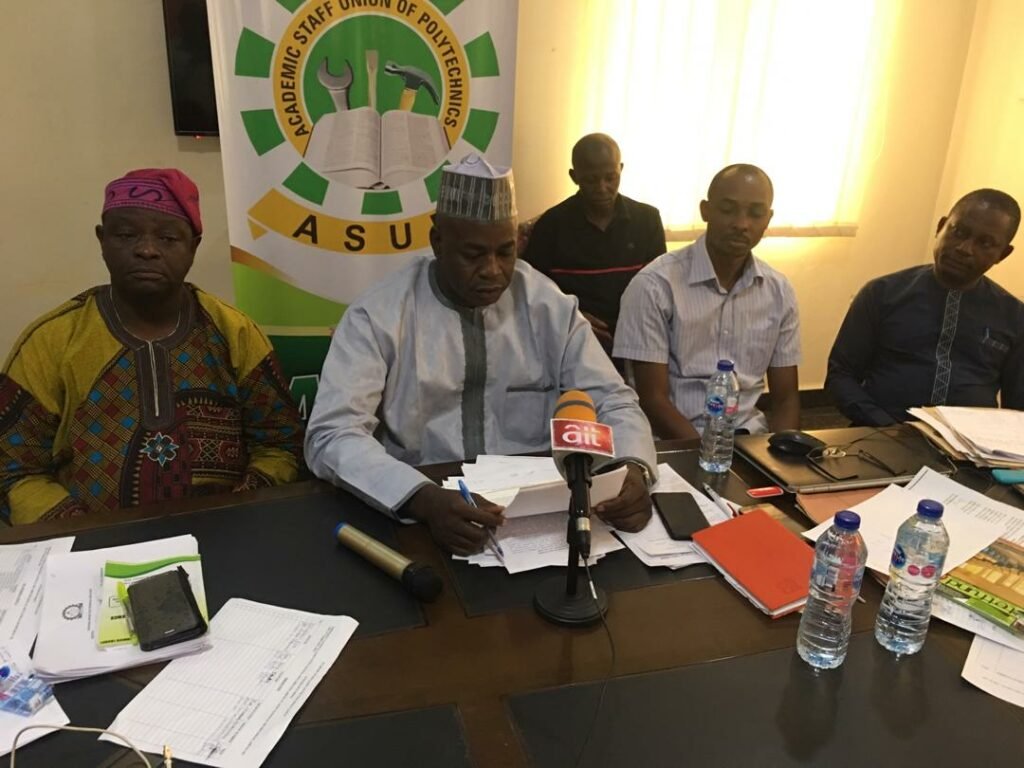
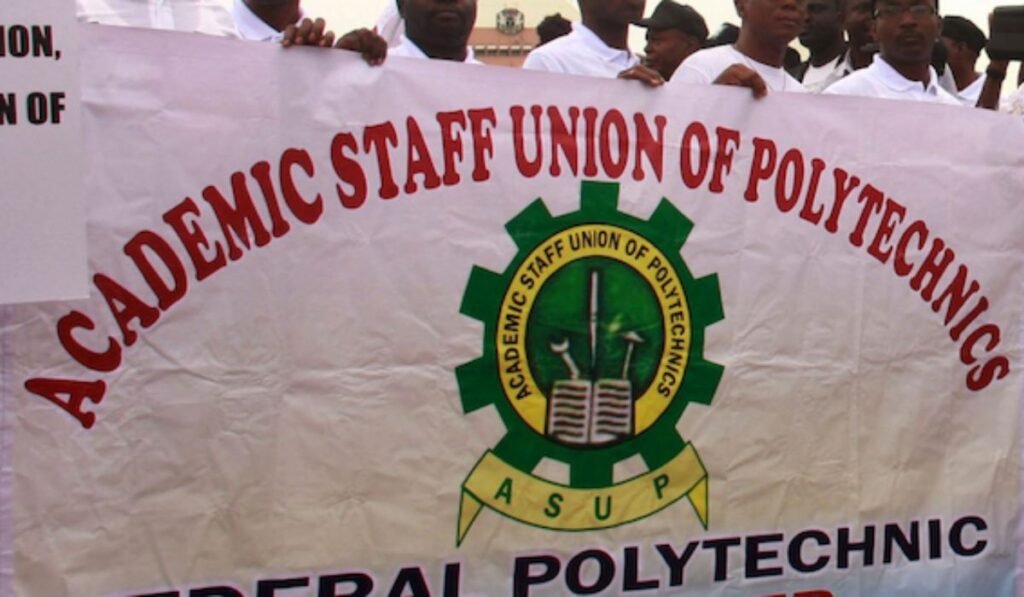
In a development that has set the Nigerian higher education community abuzz, the Academic Staff Union of Polytechnics (ASUP) has officially issued a 21-day ultimatum to the Federal Government. This stark pronouncement signals rising tensions and puts the nation’s polytechnic system on edge. ASUP President, Comrade Shammah Kpanja, delivered this warning following the union’s National Executive Council meeting in Abuja, making clear that if their long-standing demands continue to be ignored, a nationwide industrial action may be unavoidable.

Key Demands: From Regulation to Reward
ASUP’s ultimatum encapsulates a range of critical issues—both structural and fiscal—that have stifled the growth of polytechnic education in Nigeria:
- National Polytechnics Commission: The union is calling for the establishment of a dedicated regulatory body to superintend polytechnics—on par with the NUC and NCCE—arguing the sector’s absence of oversight hampers its progression.
- Accreditation Concerns: ASUP decries the government’s over-reliance on external consultants for accreditation, doubting the competence and transparency of those engaged and insisting that experts steeped in polytechnic realities should be the watchdogs.
- HND vs Degree Disparity: Persistent discrimination against HND holders compared to university degree holders remains a sore point. ASUP contends that this unfair system undermines morale and damages workforce development.
- Unfulfilled Agreements: Key elements of the 2010 ASUP–FG agreement—like the Peculiar Academic Allowance and the 25–35% salary review—although approved and budgeted, remain unpaid. ASUP singles out the NSIWC and the Ministry of Education for failing to advance the disbursements.
- State-Level Gaps: In many state-owned polytechnics, the N70,000 minimum wage has yet to be implemented. Additionally, funds from the NEEDS Assessment intervention remain partially withheld, fuelling concerns over transparency and effective oversight.
Countdown Begins: What’s at Stake in 21 Days
The clock is ticking. ASUP has warned that the government’s inertia could trigger a full-scale withdrawal of services by academic staff across all public polytechnics and monotechnics nationwide.
This ultimatum isn’t a routine administrative memo—it’s a juncture. ASUP’s message is clear: the polytechnic sector cannot afford further neglect without risking collapse. The 21-day window is presented as an opportunity for meaningful engagement, not merely a countdown to industrial unrest.
What the Federal Government Must Do—Now
For ASUP, the solution lies not just in paying dues, but in building for the future:
- Fast-track the National Polytechnics Commission bill to ensure stronger, sector-specific oversight and development.
- Restore in-house accreditation processes by empowering trained, trustworthy professionals over external contractors.
- Redress HND inequalities by aligning policies so polytechnic graduates enjoy parity with their university counterparts.
- Honour wage and allowance commitments—releasing the Peculiar Academic Allowance and implementing the approved salary review without further delay.
- Ensure consistent state-level implementation of wage standards and transparent disbursement of intervention funds like the NEEDS Assessment grants.
If these steps are taken within the 21 days, it would signal a turn towards collaboration and reform. If not, ASUP may feel compelled to escalate matters to protect both its members and the future of polytechnic education in Nigeria.
Conclusion
ASUP’s 21-Day Ultimatum to FG stands as a critical moment for Nigeria’s polytechnic system. With its four-pronged message of regulation, fairness, financial justice, and systemic reform, the union has made one thing plain: inaction is no longer an option.
Let’s watch closely—one way or another, this ultimatum will shape the immediate future of polytechnic education in Nigeria and determine whether this vital sector is placed on the path of growth or sidelined once more.
Join Our Social Media Channels:
WhatsApp: NaijaEyes
Facebook: NaijaEyes
Twitter: NaijaEyes
Instagram: NaijaEyes
TikTok: NaijaEyes