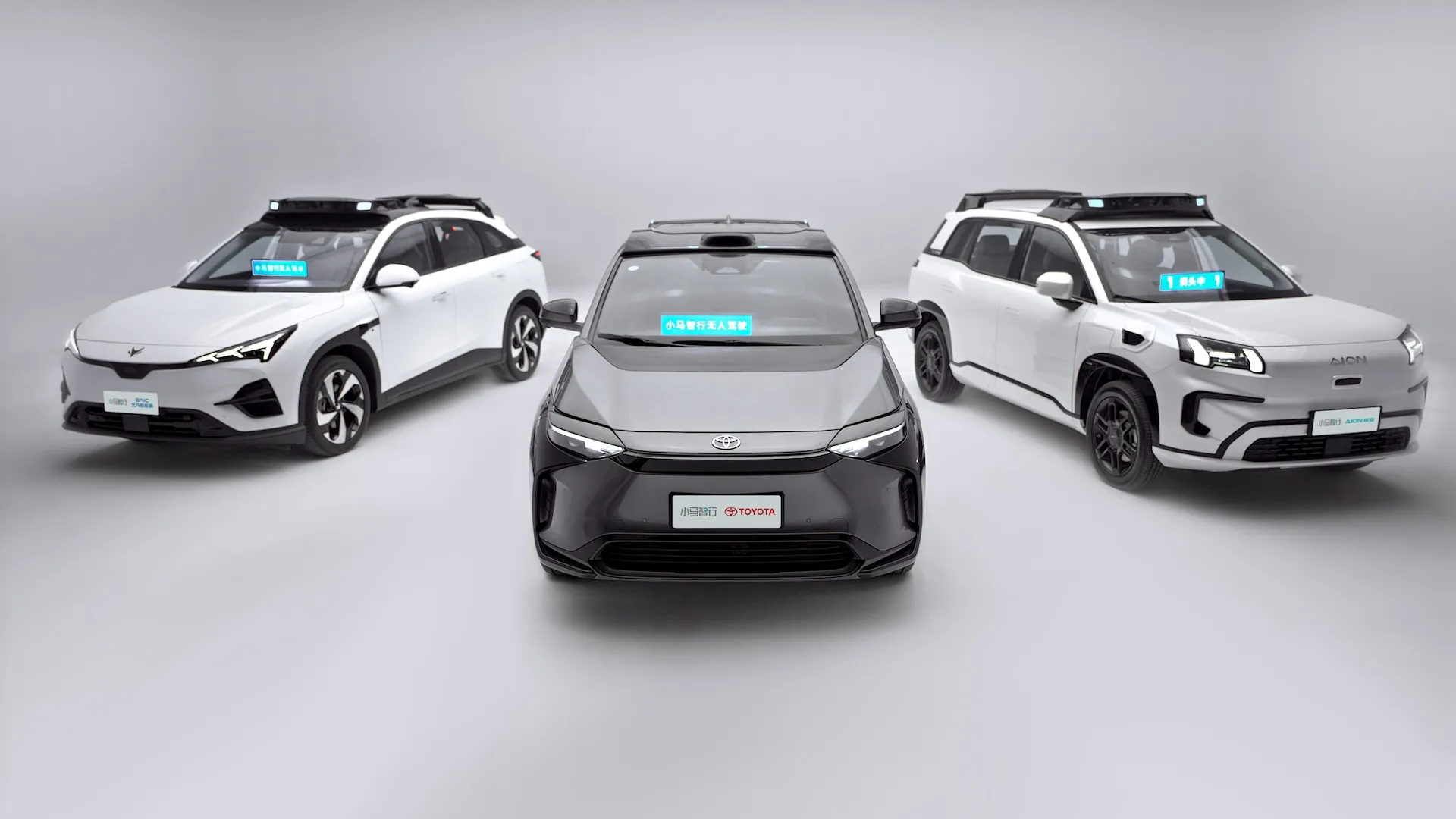
Autonomous vehicle innovation has taken a significant leap forward as Pony.ai and Toyota announce the very first mass-produced bZ4X Robotaxis rolling off the production line. This development confirms a fresh chapter in bringing driverless taxi services into a broader commercial reality in China and potentially beyond. The partnership bridges deep expertise in artificial intelligence and global automotive manufacturing, signalling a future where autonomous mobility becomes an everyday experience on city streets.
This story goes beyond the usual tech press release. It highlights a landmark moment for next-generation transport technology, revealing how strategy, collaboration and production scale are converging to reshape urban mobility. At its core are two industry players with complementary strengths: Pony.ai, an autonomous driving specialist, and Toyota, one of the world’s most established automotive brands. Together, they are pushing robotaxi technology from small-scale pilot phases into full commercial rollout.
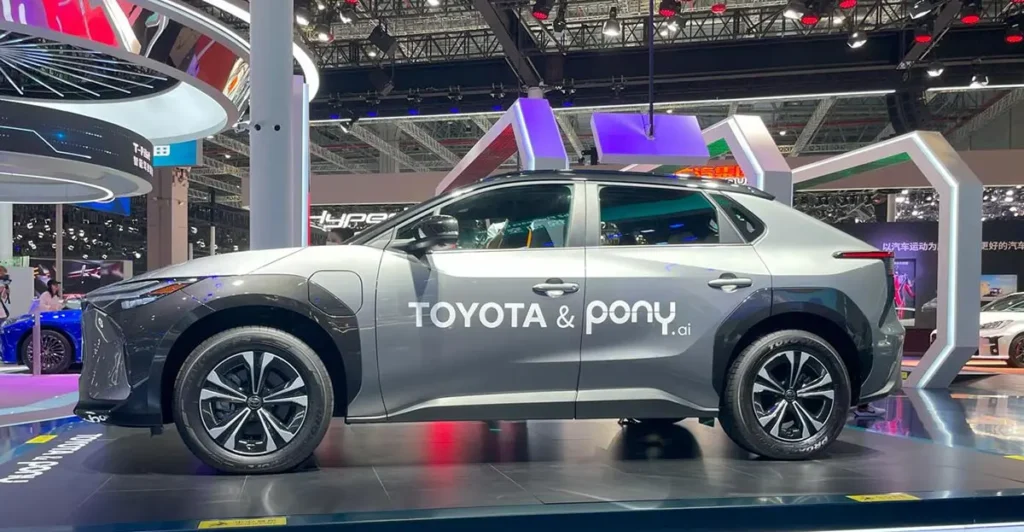
Table of Contents
Pony.ai and Toyota Robotaxi: From Concept to Assembly Line
What began as research and incremental testing is now becoming tangible production. The new bZ4X Robotaxi represents a vehicle designed to meet the demands of daily commercial operations in busy urban areas. It is co-developed by Pony.ai, Toyota Motor China and GAC Toyota, reflecting an integrated approach to autonomous design and manufacturing. Production is hosted at Toyota’s globally recognised facility, working with Pony.ai’s technology expertise to combine quality engineering with cutting-edge autonomous systems.
This partnership’s objective is clear: produce and deploy robotaxis at scale. Toyota contributes decades of precision engineering and production discipline that has made it a benchmark for durability and quality around the world. Pony.ai brings to the table deep proficiency in autonomous driving systems, particularly its latest seventh-generation software and sensor suite that support safe and reliable driverless functionality. According to company sources, the manufacturing workflow deeply incorporates Toyota’s production system principles to enforce robust quality assurance and safety standards throughout.
In concrete terms, this means the new robotaxis are not experimental prototypes. They are mass-produced vehicles built to defined commercial standards. The goal for 2026 is ambitious: over 1,000 robotaxis built for rollout in major Chinese cities, including Beijing, Shanghai, Guangzhou and Shenzhen. Within the broader strategic vision, the companies aim to expand Pony.ai’s total robotaxi fleet to over 3,000 vehicles by year-end.
Technology That Redefines Mobility
What sets the bZ4X Robotaxi apart is not just the collaboration behind it but also the technology it houses. Pony.ai’s seventh-generation autonomous driving system is a core differentiator. Built using automotive-grade components, the system reduces the overall cost of the autonomous driving kit significantly compared to earlier versions, with reports suggesting reductions of around 70 percent in the bill of materials.
Cost efficiency is vital. Autonomous systems have historically been expensive, slowing commercial scalability. By bringing costs down without compromising performance or safety, Pony.ai and Toyota are addressing one of the most persistent barriers to wider adoption. Lower costs help ensure that robotaxis can operate profitably while offering passengers an accessible and competitive service compared to conventional ride-hailing or public transport.
On the hardware front, the technology suite accounts for an extensive array of sensors and systems designed to perceive the environment reliably and respond to real-world complexities. Although specific counts vary across iterations and testing versions, the broader Gen-7 platform includes dozens of sensors such as LiDAR units, cameras and radar, offering a wide field of detection for context-aware navigation beyond what humans can reliably perceive.
The experience inside the robotaxi reflects a modern vision of mobility that prioritises user comfort and service functionality. Features extend beyond autonomous navigation to include Bluetooth-based automatic unlocking, in-cab voice interaction, online music services and climate control that can be adjusted before boarding. These enhancements aim to make rides smooth, intuitive and comfortable for passengers, reducing stress and motion sickness associated with movement patterns.
Commercialisation and Urban Integration
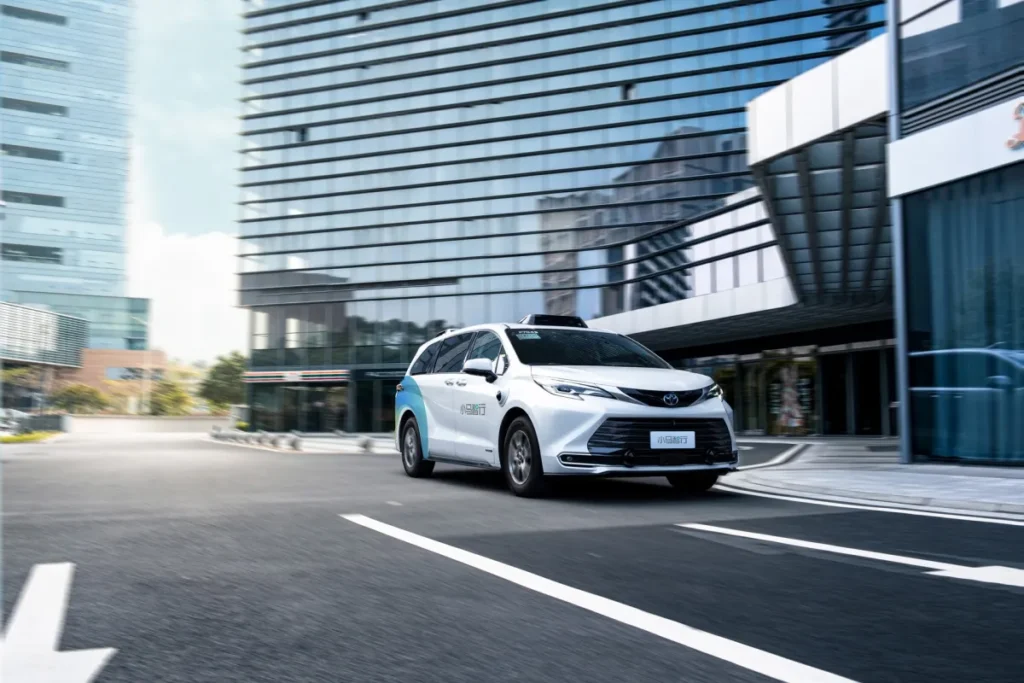
Urban deployment of robotaxis is more than a technology demonstration. It is a systemic shift in how people move within cities. Success in scaled commercial operations depends on navigating complex regulatory, technical and logistical hurdles. Pony.ai and Toyota’s plan to deploy robotaxis in tier-one Chinese cities reflects confidence in both regulatory acceptance and market readiness.
China’s metropolises present an ideal testbed for autonomous mobility. Their dense populations and well-developed transportation infrastructure make them fertile grounds for innovation, while local and national authorities have signalled openness to trials and commercial use cases. Combined with large market demand for efficient transport options, these cities offer a unique environment for robotaxis to grow from pilot services to everyday transport solutions.
Moreover, robotic taxis are expected to serve high-traffic zones and contribute to the transformation of public and private mobility networks. Long-term planning includes integrating autonomous taxis into existing ride-hailing platforms, local transit systems and intelligent traffic networks. This could help address congestion challenges while offering ride costs that could eventually rival traditional taxis or app-based alternatives.
It is not simply about replacing human drivers. Instead, autonomous driving systems could complement existing transport options, freeing human resources for more strategic roles while enhancing the overall transportation ecosystem.
Industry Impact and Future Outlook
The push towards robotaxi commercialisation signals more than a successful corporate partnership. It represents a broader shift in the global automotive and mobility sector, where artificial intelligence, machine learning and advanced sensing technology are transforming long-standing assumptions about personal and shared transportation.
For Pony.ai, the bZ4X Robotaxi is a milestone in a larger roadmap that seeks to normalise autonomous vehicles as part of urban life. Reports show the company’s broader strategy includes achieving city-wide breakeven economics, a critical marker of commercial viability for driverless taxi fleets. Meeting this metric means that robotaxis are not just novel technology but financially sustainable services.
Toyota’s involvement amplifies the significance. As a globally recognised automotive leader, its endorsement and technical support lend credibility and scale that many autonomous startups lack. Toyota’s renowned focus on Quality, Durability and Reliability (QDR) ensures rigorous standards are upheld as robotaxis move from development to daily operation.
Looking beyond China, the trends emerging now are likely to influence how robotaxi services roll out internationally. Urban markets in Asia, Europe and parts of the Middle East have shown interest in autonomous mobility, with some cities already issuing permits for driverless operations. The collaborative model between Pony.ai and vehicle manufacturers like Toyota could provide a blueprint for other markets seeking safe, scalable and commercially viable autonomous taxi networks.
As the technology matures, stakeholders, including city planners, transit authorities and private operators, will all play a role in shaping how robotaxis integrate with established mobility systems. This might include partnerships with local ride-hailing platforms, integration with mass transit networks or even new regulatory frameworks tailored to autonomous vehicle operations.
Conclusion
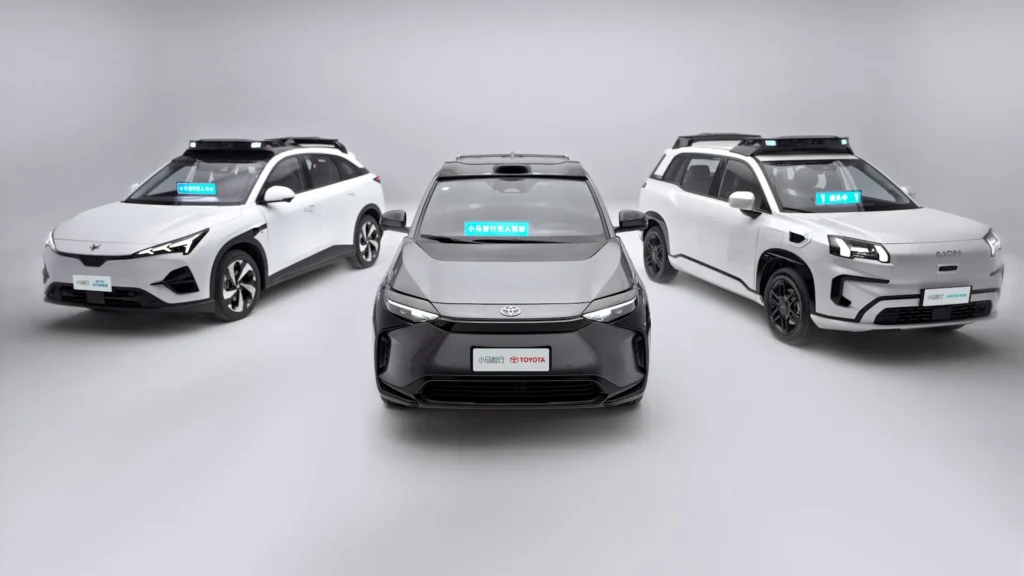
The mass production of bZ4X Robotaxis by Pony.ai and Toyota is a landmark event in the evolution of urban transport. It represents the shift from experimentation to commercial reality, grounded in smart collaboration, advanced technology and strategic planning. The road ahead still presents challenges, including infrastructure integration, regulatory frameworks and public acceptance. However, the progress already made points to a future where autonomous Robotaxis are not a distant possibility but a tangible part of city life for millions of passengers.
Today’s announcement signals a major step towards that future, with the promise of more vehicles on the road, more cities embracing autonomous services, and a new chapter in how we think about everyday mobility.
Join Our Social Media Channels:
WhatsApp: NaijaEyes
Facebook: NaijaEyes
Twitter: NaijaEyes
Instagram: NaijaEyes
TikTok: NaijaEyes