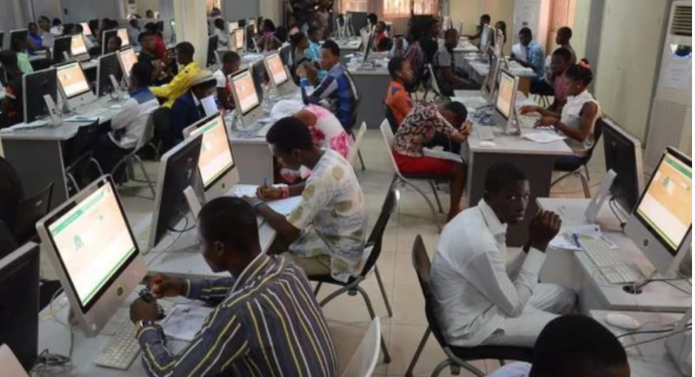
In classrooms, homes and public spaces from Lagos to Maiduguri, the promise of online learning is colliding with a harsh reality for millions of Nigerians: unstable and slow internet. As education in the country increasingly shifts towards digital tools and platforms, the quality of network access is not simply a convenience. It is becoming one of the most powerful forces shaping how students learn, how teachers teach and how the future workforce is being trained.
Across the country, the quality of internet connectivity varies dramatically. In bustling city centres, young people may be able to stream lessons on edtech platforms like Afrilearn or ULesson with relative ease. Yet head outside those urban bubbles and connectivity gaps widen rapidly, with many families struggling to find even basic mobile data service. This uneven digital landscape is affecting learners of all ages and is reshaping education in ways that educators, parents and policymakers are only beginning to understand.

The Digital Divide Behind the Screens
At the heart of Nigeria’s online education challenge lies the digital divide. This term describes the gap between those who have ready access to reliable information and communication technologies and those who do not, and in Nigeria the divide cuts along geographic and economic lines. While urban students may enjoy sufficient network coverage, their peers in rural communities often contend with intermittent or no connectivity at all. With less than half of the population having consistent internet access, many students are locked out of the very platforms designed to democratize learning.
Economics plays a central role in this divide. Though smartphones are becoming more common, not all devices are capable of supporting advanced learning tools, especially when heavy video content and interactive features are involved. For many families, the cost of data alone represents a significant strain, with mobile broadband among the more expensive per-income rates globally. When students or parents must choose between essential needs and buying data for lessons, online learning begins to feel like a luxury instead of a foundational right.
Power supply problems compound the issue. Most online learning tools require long battery life, yet erratic electricity means that learners often struggle to keep their devices powered. Class schedules, deadlines and even live interactions with teachers become unpredictable when charging is infrequent. These challenges are not isolated inconveniences; they are structural barriers that influence how students engage with learning technology on a day-to-day basis.

Impact on Students, Teachers and Learners
The consequences of poor network quality go beyond frustration. For many students in Nigeria, especially at secondary and tertiary levels, traditional classroom time is now blended with online assignments, video tutorials, and discussion forums. When internet speed drops or data runs out before a lesson is completed, students lose momentum, miss crucial interactions, and fall behind peers who have better connectivity. This uneven experience affects academic performance and deepens existing inequalities.
Teachers also face shifting expectations as online learning becomes more common. In classrooms where connectivity is unreliable, educators adapt by sharing lesson materials via messaging apps or pre-recorded videos that students can download when they find a stronger signal. While this strategy shows creativity and resilience, it also shifts the burden onto learners to self-manage their education in an environment with limited support. Real-time feedback, one of the key benefits of online learning, becomes harder to achieve under such conditions.
Parents, too, find themselves more involved in their children’s digital learning journeys than ever before. Without stable internet, many parents invest in multiple data plans, schedule study time around peak connectivity hours, or seek out shared workspaces with more reliable service. For households with more than one student, this juggling act can be costly and stressful, highlighting how a technical issue like network quality has far-reaching social implications.
Beyond academic hurdles, poor networks shape students’ wider skills development. Young people entering into digital courses or technology-related fields require consistent internet access to build digital literacy and confidence. With patchy connectivity, students may miss opportunities to practice essential online competencies, weakening their readiness for careers in an increasingly digital economy.
Adaptation and Innovation in the Face of Challenges
Despite these challenges, Nigeria’s education ecosystem is not standing still. Across the public and private sectors, efforts to adapt to connectivity constraints are gaining traction. Many educators are combining online and offline techniques to ensure continuity of instruction when internet access fails. For example, lesson plans increasingly include downloadable resources that students can access without continuous network connection, and educators are using asynchronous approaches that allow learners to progress at their own pace when connectivity permits.
Government and institutional responses have also emerged to address infrastructure barriers. Initiatives aimed at expanding broadband penetration and improving digital literacy are underway, even as debates continue about how best to bridge the urban-rural divide. Equally important are private sector partnerships that aim to bring affordable internet solutions to underserved communities, while edtech companies innovate around bandwidth limitations to deliver education content that works on low-speed connections.
There are early signs that learners and families are finding creative ways to maximise limited network resources. Students share study materials through local peer networks and community learning hubs, while some schools offer designated times for downloading content when networks are stronger. These approaches demonstrate resilience and highlight how community-driven strategies can complement broader infrastructure investments.
A Systems Approach to Education and Connectivity
The relationship between network quality and learning outcomes in Nigeria is complex and multifaceted. Poor network connectivity does more than disrupt a video call or slow down a lesson. It reshapes how learners approach education, influences how teachers design instruction, and determines who benefits from digital opportunities. Addressing this challenge requires coordinated action across multiple fronts: improving nationwide infrastructure, reducing data costs, expanding digital literacy, and ensuring that education policy pivots to support blended learning models that do not depend solely on perfect connectivity.
If Nigeria can rise to this challenge, the potential rewards are profound. Successful digital education can democratize access to knowledge, open new pathways for students in remote and underserved areas, and prepare a generation of Nigerians for the demands of a global labour market. Yet until network quality improves for all, the promise of online learning will remain only partially fulfilled.
Navigating these realities, Nigerian learners continue to adapt, innovate and persevere. And in their efforts, we find the lessons that will guide the future of education in a country where connectivity is not just a tool but a gateway to opportunity.
Join Our Social Media Channels:
WhatsApp: NaijaEyes
Facebook: NaijaEyes
Twitter: NaijaEyes
Instagram: NaijaEyes
TikTok: NaijaEyes
READ THE LATEST EDUCATION NEWS