Nigeria’s postgraduate education system is facing renewed scrutiny as academics, administrators, and policy experts call for sweeping reforms to rescue what many now describe as a struggling but critical pillar of national development. At the centre of the debate is a growing consensus that without urgent intervention, the country risks falling further behind in research output, innovation capacity, and global academic competitiveness.
This concern came to the fore at a major gathering of postgraduate education leaders, where stakeholders warned that the current structure is no longer fit for purpose in a rapidly evolving global knowledge economy. Their message was clear and consistent: Nigeria must rethink how it trains its highest-level scholars or risk long-term consequences for its economy and intellectual capital.
Table of Contents

A System Under Pressure
Across Nigeria’s higher education landscape, postgraduate studies have long been regarded as the engine room of research and advanced knowledge creation. Yet, stakeholders argue that this engine is sputtering.
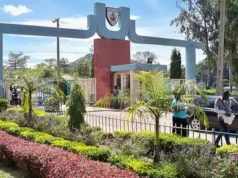
At a recent national meeting of postgraduate deans and provosts held at Lead City University in Ibadan, participants highlighted deep structural challenges affecting postgraduate education. The gathering, which focused on strengthening research, innovation, and excellence, emphasised that postgraduate programmes remain central to national growth and global relevance.
However, beneath this recognition lies a troubling reality. Many universities are grappling with outdated curricula, insufficient funding, and limited access to modern research facilities. These constraints, stakeholders say, have weakened the quality of postgraduate training and reduced the global visibility of Nigerian research.
The issue is not entirely new. Nigeria’s education system has historically faced uneven funding, policy inconsistency, and regional disparities, all of which continue to affect tertiary institutions today. Yet, the stakes are now higher. In an era driven by innovation, data, and technology, the ability to produce high-quality postgraduate research is directly linked to a country’s economic future.
Experts at the meeting pointed out that postgraduate education should ideally serve as a bridge between academia and industry. Instead, in many cases, it has become disconnected from real-world challenges, leaving graduates with limited practical impact.

Stakeholders Identify Key Gaps
A closer look at the discussions reveals a pattern of recurring concerns. One of the most pressing is inadequate funding. Many postgraduate programmes rely heavily on limited institutional budgets, leaving little room for cutting-edge research or international collaboration.
Participants also highlighted the lack of modern infrastructure, from poorly equipped laboratories to insufficient digital resources. Without access to these essential tools, postgraduate students often struggle to produce work that meets global standards.
Another major issue is supervision quality. In some institutions, supervisors are overwhelmed by large student numbers, reducing the level of mentorship and academic guidance available. This, in turn, affects the quality and timeliness of research output.
Beyond infrastructure and funding, stakeholders raised concerns about curriculum relevance. They argued that many postgraduate programmes are still rooted in theoretical frameworks that do not align with current industry needs or emerging global trends.
There is also the question of policy coordination. Experts noted that reforms in Nigeria’s education sector often lack continuity, leading to fragmented implementation and limited long-term impact. This aligns with broader observations that sustainable reforms require predictable funding, institutional autonomy, and a stronger focus on research-driven education.
Taken together, these challenges paint a picture of a system in need of not just minor adjustments, but a comprehensive overhaul.
The Push for Research and Innovation
Despite the challenges, stakeholders remain optimistic about the potential of Nigeria’s postgraduate education system if the right reforms are implemented.
A key recommendation emerging from the discussions is the need to prioritise research and innovation. Participants stressed that postgraduate education must go beyond academic theory to address real societal problems, from healthcare and agriculture to technology and climate change.
To achieve this, universities are being urged to strengthen partnerships with industry, government, and international institutions. Such collaborations, experts argue, can provide funding opportunities, access to modern facilities, and exposure to global best practices.
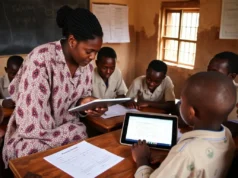
There is also a strong call for the integration of technology into postgraduate education. Digital tools, data analytics, and online research platforms are increasingly shaping how knowledge is produced and shared worldwide. Nigeria, stakeholders insist, must not be left behind.
Another area of focus is capacity building. This includes training for academic staff, improved supervision frameworks, and opportunities for postgraduate students to participate in global research networks.
Importantly, stakeholders emphasised the need for merit-based systems that reward excellence and innovation. By creating an environment where quality research is recognised and supported, universities can begin to rebuild their reputation on the global stage.
A Defining Moment for Nigeria’s Knowledge Economy
The urgency surrounding postgraduate education reform reflects a broader national concern about Nigeria’s position in the global knowledge economy. As countries invest heavily in research and innovation, the gap between leaders and laggards continues to widen.
For Nigeria, the implications are significant. A weak postgraduate system limits the country’s ability to produce high-level expertise, drive technological advancement, and compete internationally.
Stakeholders argue that reforming postgraduate education is not just an academic issue but a strategic national priority. It affects everything from economic diversification to job creation and national security.
Encouragingly, there is growing recognition of this reality among policymakers and education leaders. The conversations taking place today signal a willingness to confront long-standing challenges and chart a new path forward.
Still, the success of any reform effort will depend on implementation. Stakeholders warn that without sustained commitment, adequate funding, and policy consistency, even the most well-designed reforms may fail to deliver meaningful change.
As Nigeria stands at this crossroads, the decisions made in the coming years will shape the future of its higher education system and, by extension, its role in the global knowledge landscape.
Join Our Social Media Channels:
WhatsApp: NaijaEyes
Facebook: NaijaEyes
Twitter: NaijaEyes
Instagram: NaijaEyes
TikTok: NaijaEyes
READ THE LATEST EDUCATION NEWS