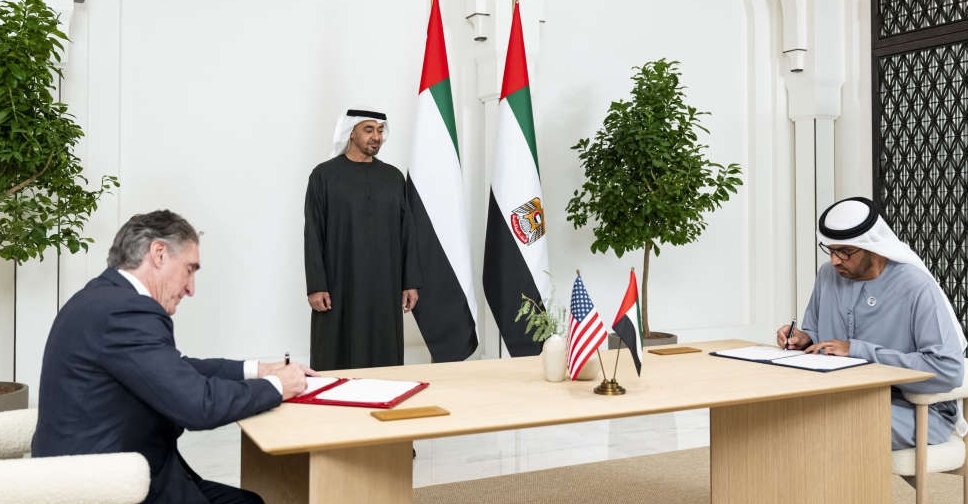
In a major development shaping the future of technology and global industry, Qatar and the United Arab Emirates (UAE) have agreed to join a United States-led partnership designed to strengthen critical technology supply chains. This move brings two influential Gulf nations into a broad coalition focused on securing the flow of components such as artificial intelligence systems, semiconductors and advanced computing materials that are vital for modern economies. According to Investing.com, the announcement signals a shift in regional economic priorities and reflects deepening collaboration among countries that have not always seen eye to eye in the past.
Table of Contents

Qatar and UAE Bring a New Chapter in Technology Cooperation
The partnership, known as Pax Silica, is not a traditional military alliance or trade bloc. Instead, it is framed as a “coalition of capabilities,” where each participating country contributes based on its industrial strengths and strategic assets. The goal is to build resilient technology supply chains that reduce dependency on rival nations, enhance industrial cooperation, and support the development of cutting-edge technologies.
Jacob Helberg, Undersecretary of State for Economic Affairs of the United States, explained that Pax Silica aims to go beyond diplomatic agreements. It is intended to be a practical, operational effort linking nations with shared interests in technology and economic security. “The Silicon Declaration isn’t just a diplomatic communiqué,” Helberg told reporters. “It’s meant to be an operational document for a new economic security consensus.”
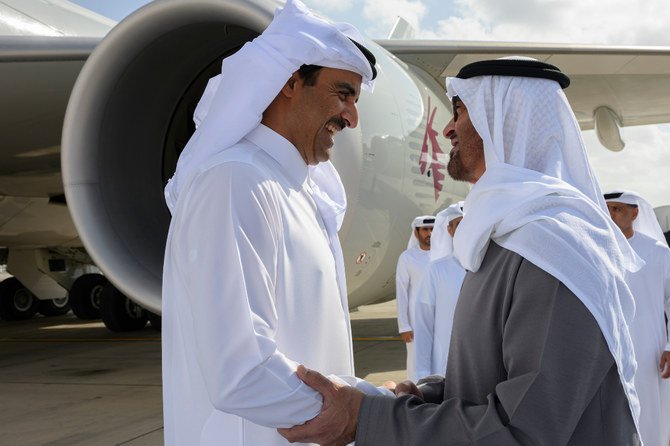
The inclusion of Qatar and the UAE is particularly noteworthy given the Middle East’s history of political tensions and divisions. Their decision to sign on suggests a growing recognition of the economic opportunities presented by global technology leadership and a willingness to work closely with partners like the United States and Israel in pursuit of shared goals.
Significant Dates and Strategic Context
Qatar is scheduled to formally sign the Pax Silica declaration on January 12, with the UAE following on January 15 in Riyadh. These signings will coincide with the Future Minerals Forum, a major conference hosted by Saudi Arabia that brings together senior officials, industry leaders and investors to explore supply chain and mineral development opportunities.
Beyond the dates and ceremonies, the strategic context is clear: the Middle East is actively diversifying away from reliance on oil and gas revenues, embracing technology and innovation as engines of future growth. For Qatar and the UAE, participation in Pax Silica aligns with broader national ambitions to build knowledge economies, attract global tech investment and develop local capabilities in semiconductors, advanced computing and data infrastructure.
Unlike alliances centred on shared defence commitments, Pax Silica is built on the idea that industrial strength and technological exchange can be a powerful glue holding diverse partners together. Members include Japan, South Korea, Singapore, Britain and Australia, in addition to the original core group led by the United States and Israel.
Economic Transition and Tech-Driven Growth
Officials involved in the discussions emphasise that Pax Silica could accelerate economic transformation across the region. In recent years, both Qatar and the UAE have launched ambitious programmes to diversify their economies. The UAE, for example, has announced multi-billion-dollar investments in data centres, artificial intelligence hubs and semiconductor partnerships with major technology firms. Qatar has likewise stepped up its technology investments, committing significant capital to AI infrastructure and research initiatives.
For these Gulf states, the shift represents more than economic diversification. It is a strategic effort to reframe their role on the global stage from primarily energy exporters to influential players in the high-tech economy. The technology supply chain is now seen as a battleground for future economic influence, and building local capacity is a way to remain competitive in the decades ahead.
What Comes Next for Pax Silica
Looking ahead, the Pax Silica group plans to expand membership, launch key projects to secure supply chains and coordinate policy on infrastructure and technology protection. Discussions are already underway about modernising trade routes with advanced technology, such as the India-Middle East-Europe Corridor, which could link major markets with improved logistics and digital infrastructure.
In addition to infrastructure planning, the United States and Israel are preparing a Pax Silica-linked Strategic Framework that will include a new industrial park called Fort Foundry One in Israel. This hub is intended to accelerate industrial cooperation and support research and manufacturing in high-tech domains. A memorandum of understanding related to artificial intelligence cooperation is also expected to be discussed in mid-January.
These next steps highlight how the initiative blends economic diplomacy with tangible technology projects. It reflects a broader U.S. strategy to strengthen alliances through shared industrial interests rather than purely security agreements. By embedding collaborative tech initiatives across regions, Washington aims to build economic partnerships capable of competing with rival powers in the global technology race.
What This Means for Regional and Global Economies
For Qatar and the UAE, joining Pax Silica could open doors to new foreign investment, provide greater access to global markets and encourage knowledge transfer from leading technology economies. It could also enhance the competitiveness of local firms and help attract global talent in key sectors such as artificial intelligence, semiconductor manufacturing and data analysis.
From a global perspective, strengthening technology supply chains is seen as crucial in an era where digital systems underpin everything from national security to economic growth. Countries around the world are striving to protect and control the flow of critical components, and partnerships like Pax Silica reflect how geopolitics and technology are becoming ever more interconnected.
Conclusion
The decision by Qatar and the UAE to join a U.S.-led initiative to bolster technology supply chains marks a significant moment in international economics and diplomacy. It underscores the growing importance of technology alliances as nations seek to secure their future in a rapidly changing global economy. As this new coalition takes shape and expands, it could reshape how countries collaborate on innovation, economic security and industrial development in the years to come.
If you want to explore more on how this could affect trade and investment landscapes across Africa and beyond, I can provide deeper insights or connect this to regional implications.
Join Our Social Media Channels:
WhatsApp: NaijaEyes
Facebook: NaijaEyes
Twitter: NaijaEyes
Instagram: NaijaEyes
TikTok: NaijaEyes