In a landmark move for Nigeria’s energy and public services sectors, the Rural Electrification Agency (REA) and the Economic Community of West African States (ECOWAS) Commission have signed a major agreement to roll out renewable energy solutions across the country. The Memorandum of Understanding (MoU) signed in Abuja on Monday, 24 February 2026, marks a critical step in efforts to close Nigeria’s electricity access gap and improve conditions in public schools and healthcare facilities, as reported by ThisDayLive.
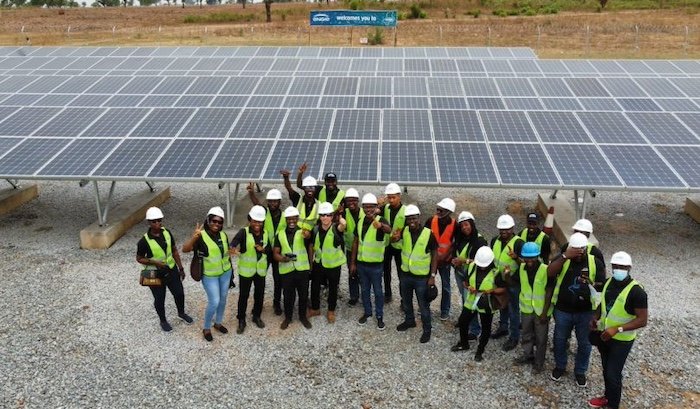
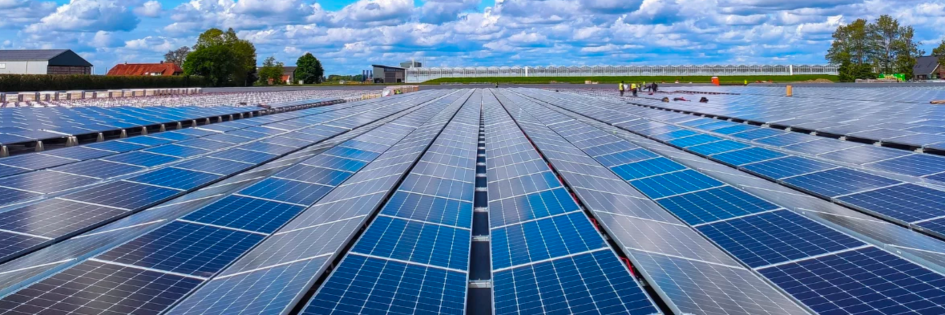
At the heart of the agreement is a $700,000 grant from ECOWAS that will fund the installation of solar photovoltaic (PV) systems in 15 public institutions located in the Federal Capital Territory (FCT), Niger State, and Nasarawa State. This initiative will be implemented under the Regional Off-Grid Electricity Access Project (ROGEAP), a World Bank-supported programme designed to expand electricity access in off-grid communities across West Africa and the Sahel.
The partnership represents Nigeria’s pilot implementation phase under ROGEAP, with the REA serving as the technical and financial lead for deployment. This solar electrification effort targets rural schools and health centres that have long struggled with unreliable power, often relying on expensive and polluting diesel generators.
A Strategic Step Toward Reliable Power for the Underserved
For many communities in Nigeria’s rural and semi-urban areas, electricity remains a daily challenge. Students in poorly powered schools often face disruptions to learning, while health workers struggle to run essential medical equipment without stable power. The REA-ECOWAS collaboration aims to change this narrative by providing dependable and clean energy solutions.
In his remarks at the signing ceremony, Dr Abba Aliyu, Managing Director of the REA, emphasised that the partnership with ECOWAS was more than a funding arrangement. He framed it as an expression of shared regional commitment to development, community wellbeing, and improved public services. “Electrifying health centres and schools means improving healthcare delivery, enhancing learning conditions, and strengthening community development,” he said.
Similarly, Dr Omar Touray, President of the ECOWAS Commission, described the pilot project in Nigeria as a cornerstone of the regional strategy to eliminate energy poverty. He said the solar installations would do more than power buildings; they would unlock potential and create opportunities for students and patients alike across West Africa.
Partnering at National and State Levels
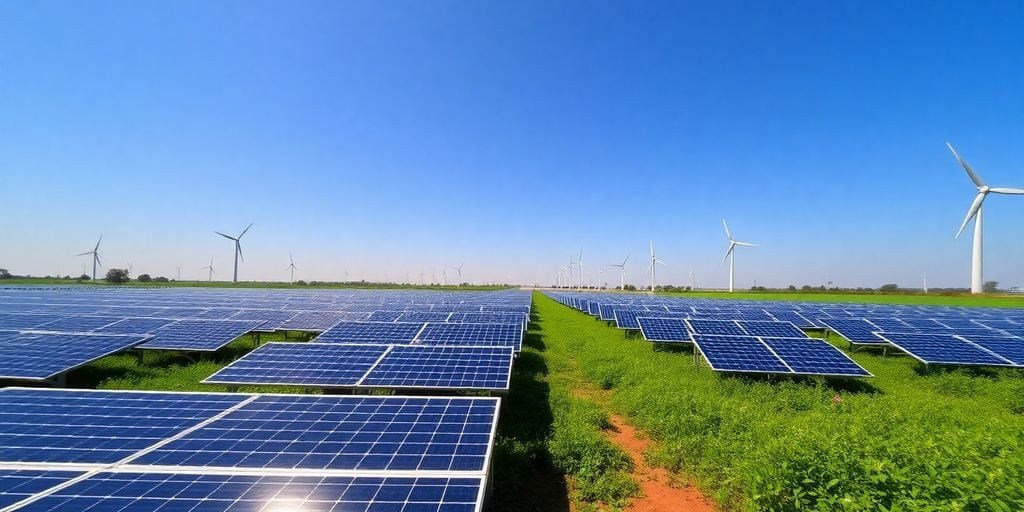
The national partnership between REA and ECOWAS is complemented by subnational cooperation, beginning with Niger State, where the agency signed a separate MoU with the state government. The move will help secure access to the ECOWAS grant and mobilise vital co-financing support for project implementation in selected facilities within Niger.
Governor Mohammed Bago of Niger State reiterated his administration’s commitment to expanding sustainable infrastructure as part of its “New Niger” agenda. He highlighted the importance of reliable power to rural education and health services, saying that the solar projects would ensure that communities in his state could access essential services with greater consistency.
By establishing a dedicated Project Implementation Unit within the REA, the agreement aims to streamline coordination with the ROGEAP implementation team and an active steering committee. This structure is expected to help overcome logistical and administrative bottlenecks that have historically slowed large-scale public energy projects.
What This Means for Energy Access and Public Services
The deployment of solar PV systems will offer immediate practical benefits for participating schools and health centres. Reliable power means refrigeration for medicines and vaccines, safe lighting after dark, power for computers and other learning tools, and the ability to operate diagnostic equipment without interruption.
In the long term, the initiative supports broader national goals to transition away from fossil-fuel dependence, align with clean energy objectives, and reduce costs tied to diesel generator use. These efforts also align with Nigeria’s National Electrification Strategy and Implementation Plan (NESIP), which seeks massive expansion of renewable access across the country.
Importantly, the project provides a template for regional collaboration tailored to local impact. By combining funding from ECOWAS with on-the-ground coordination from REA and state governments, it demonstrates how international partnerships can be localised and effectively applied to meet community needs.
Looking Ahead
As Nigeria begins the rollout of solar systems under this pilot phase, energy experts and policymakers are watching closely. The success of this project could influence similar programmes in other West African countries participating in ROGEAP, setting a precedent for cross-border cooperation on energy access.
For students, health workers, and residents in rural areas, the benefits are tangible and significant. With reliable solar power, schools can hold classes without fear of sudden blackouts and health centres can operate critical equipment around the clock. Over time, these improvements can lead to better educational outcomes, improved health indicators, and stronger local economies.
By pragmatically combining development finance, regional support, and technical leadership, the REA-ECOWAS deal illustrates how investments in clean energy can power brighter futures for communities long underserved by traditional infrastructure.
In a country where many still lack consistent access to electricity, this grant from ECOWAS and the coordinated efforts of the REA and state governments represent a meaningful stride forward in Nigeria’s journey toward universal and sustainable energy access.
Join Our Social Media Channels:
WhatsApp: NaijaEyes
Facebook: NaijaEyes
Twitter: NaijaEyes
Instagram: NaijaEyes
TikTok: NaijaEyes
READ THE LATEST EDUCATION NEWS