Recovery of all ten bodies ends search at Indonesia plane crash site.
The world woke up with a heavy heart this Friday as officials finally confirmed that the search for the victims of the ill fated Indonesia Air Transport plane has come to an end. It is a sad development for the global aviation community and a painful moment for the families of the seven crew members and three civil servants who lost their lives in this tragic accident.
The aircraft, an ATR 42-500 model, was on a surveillance mission when tragedy struck over the weekend. For those of us who follow these stories closely, the finality of recovering all ten bodies brings a small sense of closure, but it definitely does not take away the deep pain of such a massive loss. The recovery marks the end of a very tense week for the authorities in Jakarta and the local communities in South Sulawesi.
The Tragedy on Mount Bulusaraung
The flight started like any other routine mission on Saturday, January 17, 2026, as the chartered turboprop plane took off from Yogyakarta heading for Makassar.
It was carrying out an important assignment for the Ministry of Maritime Affairs and Fisheries, helping to monitor the waters around the region to ensure everything was in order. However, just before it was due to land, communication with air traffic control was lost around the Maros area.
We later learned that the plane had crashed into the steep and rugged slopes of Mount Bulusaraung. This area is known for its difficult terrain and unpredictable weather, which made the news even more worrisome for the government and the loved ones who were waiting for any sign of survivors back home.
Challenges of the Seven Day Search Operation
The recovery mission was not an easy task at all for the joint Search and Rescue team. For nearly a week, personnel from Basarnas, the Indonesian Army, and other local response groups battled harsh weather conditions and very steep mountain slopes to reach the wreckage.
By Thursday, eight bodies had been found, but the search continued into Friday morning for the final two victims. It was only at about 9:16 am local time that the tenth body was successfully recovered by the rescue team.
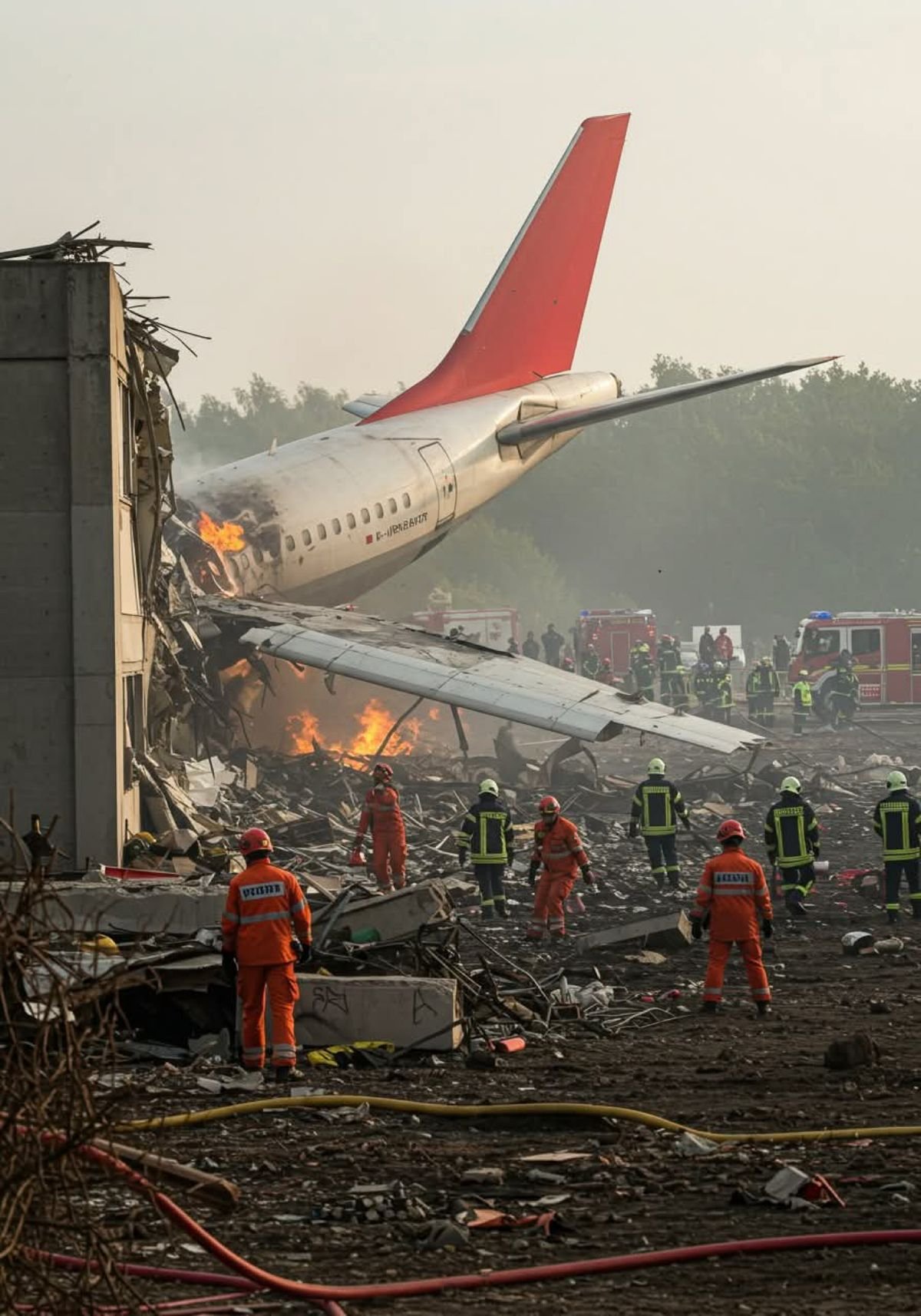
The responders deserve a lot of credit for their dedication, as they had to navigate deep ravines and thick forest to ensure that no one was left behind on that mountain.
What Next for the Investigation
Now that the recovery phase is over, the focus shifts to the koko of the matter, which is finding out exactly what went wrong. The National Transportation Safety Committee has already taken possession of the flight data recorders, also known as the black box, which was found earlier on Wednesday.
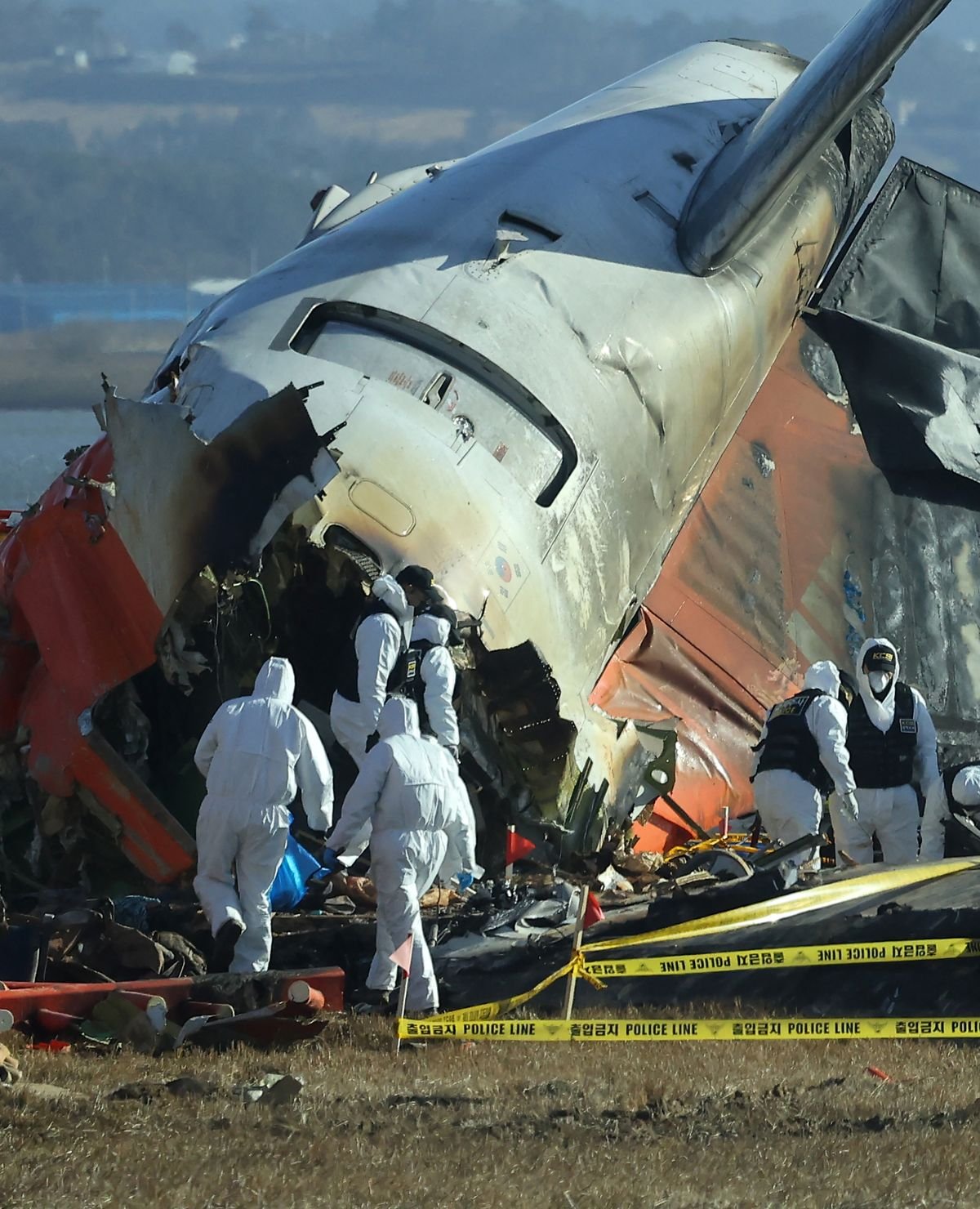
Experts are now studying the data to understand why the plane deviated from its path or if there was a technical failure that the pilot could not control.
While we await the official report, this accident serves as a poignant reminder of the ongoing need for enhanced safety standards in aviation, particularly for missions in remote and mountainous regions. Our prayers remain with the families as they begin the difficult process of identifying their loved ones and laying them to rest.
Join Our Social Media Channels: