Remita and the TSA: A landmark in Nigeria’s digital governance
The transformation of Nigeria’s public financial management
For many years, the management of Nigeria’s public funds was characterized by a fragmented system that made oversight nearly impossible. Thousands of government accounts were scattered across various commercial banks, leading to significant leakages and a lack of clear visibility into the nation’s liquidity.
The introduction of the Treasury Single Account (TSA) was not just a policy shift; it was a fundamental restructuring of how the Nigerian state handles its commonwealth.
By consolidating these disparate accounts into a single pool at the Central Bank of Nigeria, the government finally gained the ability to monitor its cash position in real-time. This transformation has moved the country away from the era of opaque financial dealings toward a more structured, modern, and efficient framework that serves the collective interest of all citizens.
Remita as the backbone of the Treasury Single Account
Join our WhatsApp community
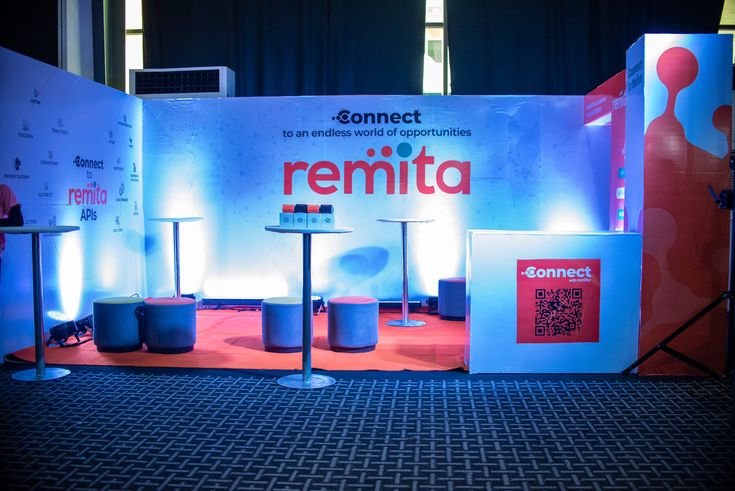
At the heart of this massive logistical undertaking is Remita, a homegrown financial technology solution developed by SystemSpecs. The success of the TSA is inextricably linked to the robustness of the Remita platform, which provided the necessary infrastructure to integrate various payment channels into a unified system.
It is a point of significant national pride that a project of this magnitude and complexity was powered by indigenous technology rather than an imported solution. Remita enabled government agencies to receive payments and make disbursements seamlessly, proving that Nigerian fintech firms possess the technical capacity to solve the most pressing challenges of national governance.
This partnership between the public sector and local innovation has set a high standard for future technological deployments within the country.
Driving transparency and accountability in the public sector
One of the most profound impacts of the Remita-powered TSA is the unprecedented level of transparency it has brought to the Nigerian public sector. Before its implementation, tracking the revenue generated by various Ministries, Departments, and Agencies (MDAs) was a Herculean task often fraught with discrepancies.
Today, every naira that enters the system is accounted for, creating a digital paper trail that discourages financial impropriety. This shift has not only improved the government’s ability to plan its budget effectively but has also started to rebuild public trust in national institutions.
When technology is used to automate processes that were previously manual and prone to human error, the room for corruption shrinks, and the potential for genuine development expands.
The future of homegrown fintech in national development
Join our WhatsApp community
The story of Remita and the TSA serves as a powerful blueprint for the role of technology in Nigeria’s future development. It demonstrates that when there is a clear political will combined with world-class local expertise, the results can be transformative.
As the nation looks toward further digitizing its economy, from healthcare to education and beyond, the success of this project offers vital lessons in scalability and sustainability. It encourages other sectors to embrace digital transformation not as an optional luxury, but as an essential tool for progress.
The legacy of this project will likely be measured not just in the trillions of naira recovered or managed, but in the confidence it has given to the Nigerian tech ecosystem to dream bigger and build solutions that resonate far beyond our borders.
WhatsApp: NaijaEyes
Facebook: NaijaEyes
Twitter: NaijaEyes
Instagram: NaijaEyes
TikTok: NaijaEyes