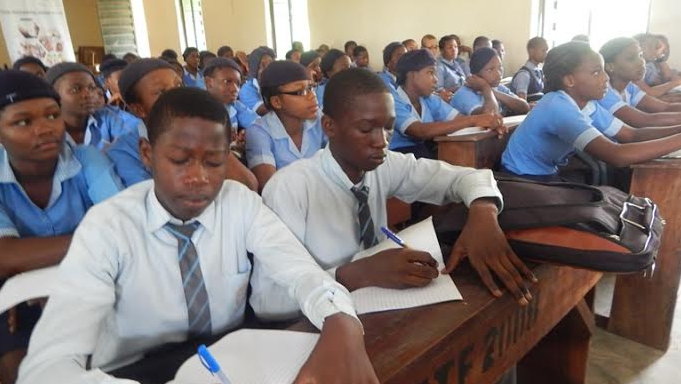
The rollout of Nigeria’s revised secondary school curriculum has stirred deep concerns among educators, parents, school administrators, and government officials. Announced by the Federal Government as part of an ambitious effort to modernise education and equip young Nigerians with practical and future-ready skills, the new curriculum is now at the centre of a national debate as schools begin the challenging task of implementing it.
Education reform is not uncommon in Nigeria, but few overhauls have attracted such widespread and intense scrutiny. Designed to reduce content overload, enhance learning outcomes, and align classroom instruction with the demands of the 21st century, the revised secondary school curriculum marks a significant change from past structures. It aims to streamline subject offerings, promote core competencies, and introduce elements of real-world application in learning.
Yet, stakeholders across the education landscape have expressed varying degrees of anxiety and dissatisfaction, pointing to gaps between policy design and practical realities in schools.
Rising Anxiety in Schools and Communities
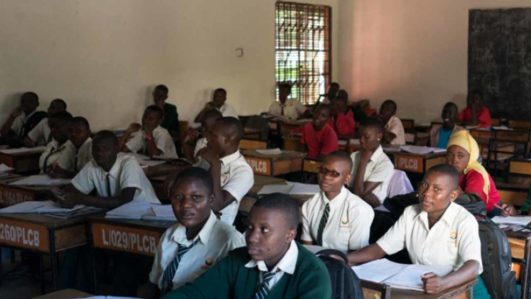
Concerns about the implementation of the new curriculum have quickly spread beyond policy documents and ministry press releases. In many communities and schools nationwide, educators and parents alike are voicing frustrations about how the reforms are being executed. Critics argue that the transition has been abrupt and that vital preparations — including comprehensive training for teachers, updated learning materials, and sufficient classroom resources — have not been adequately addressed.
For many teachers, the revised curriculum introduces new ways of teaching that require a shift from rote instruction to more interactive and skills-based learning. While the theoretical benefits of these methods are widely acknowledged by education experts, their success hinges on teacher readiness. In the absence of extensive professional development programmes, many educators feel overwhelmed and ill-equipped to deliver the new curriculum effectively.
“I believe in the intention behind the curriculum, but we were not properly trained beforehand,” one secondary school teacher in Abuja told a local news outlet. “We now have to learn on the job while students are expecting us to teach them new subjects and methods of learning.”
Parents, too, express uncertainty. Many fear that their children might struggle academically if teachers are not fully prepared to guide them under the new system. There are also concerns about inconsistencies in how different schools, especially between urban and rural areas, are approaching implementation.
Government’s Position and Policy Intent
The Federal Ministry of Education has defended the new curriculum, stating that the changes were developed through extensive consultations with major stakeholders including the Nigerian Educational Research and Development Council (NERDC), the Universal Basic Education Commission (UBEC), and the National Board for Technical Education (NBTE). The ministry maintains that the curriculum is a forward-looking framework designed to equip learners with knowledge and competencies relevant to both national needs and global opportunities.
According to official statements, the revised framework streamlines subject requirements for secondary school students, aiming to reduce workload without compromising learning quality. It also introduces more time for in-depth study and skill acquisition that mirrors real-world applications.
“Education must evolve with the world we live in,” a ministry spokesman said in Abuja. “This curriculum is not about simply reducing subjects; it is about enhancing the relevance of education for every Nigerian learner.”
Despite assurances, not all stakeholders have been convinced that the planned benefits are imminent or achievable without significant investment and support.
Stakeholders Highlight Resource and Training Gaps
One of the core criticisms has been the lack of clarity regarding how the new curriculum will be supported with teaching materials, proper funding for schools, and comprehensive teacher preparation programmes. In many public secondary schools, classrooms already face challenges such as overcrowded environments, shortages of instructional materials, and inconsistent electricity supply — conditions that can impact the effective adoption of any new curriculum.
Education advocates also stress the need for robust teacher training programmes that go beyond cursory workshops. They argue that true implementation requires ongoing mentorship, classroom coaching, and access to teaching resources that align with the revised syllabus.
“The curriculum itself can be laudable, but without intensive capacity building for teachers and investments in classroom facilities, the promise of better learning remains distant,” said a curriculum expert and university lecturer in Lagos.
Parents in several states have also raised concerns about examination readiness. With national assessments such as the West African Senior School Certificate Examination (WASSCE) and the Senior School Certificate Examination (SSCE) remaining critical gateways for higher education, any transition in curriculum must ensure that students are not disadvantaged. Stakeholders warn that gaps in preparation could disproportionately affect students from under-resourced communities.
Balancing Tradition and Innovation
The curriculum reforms do more than restructure subjects; they symbolise a shift in educational philosophy. For instance, History is being integrated more fully into the broader civic and heritage education framework. This shift aims to cultivate a stronger sense of national identity and cultural awareness among learners.
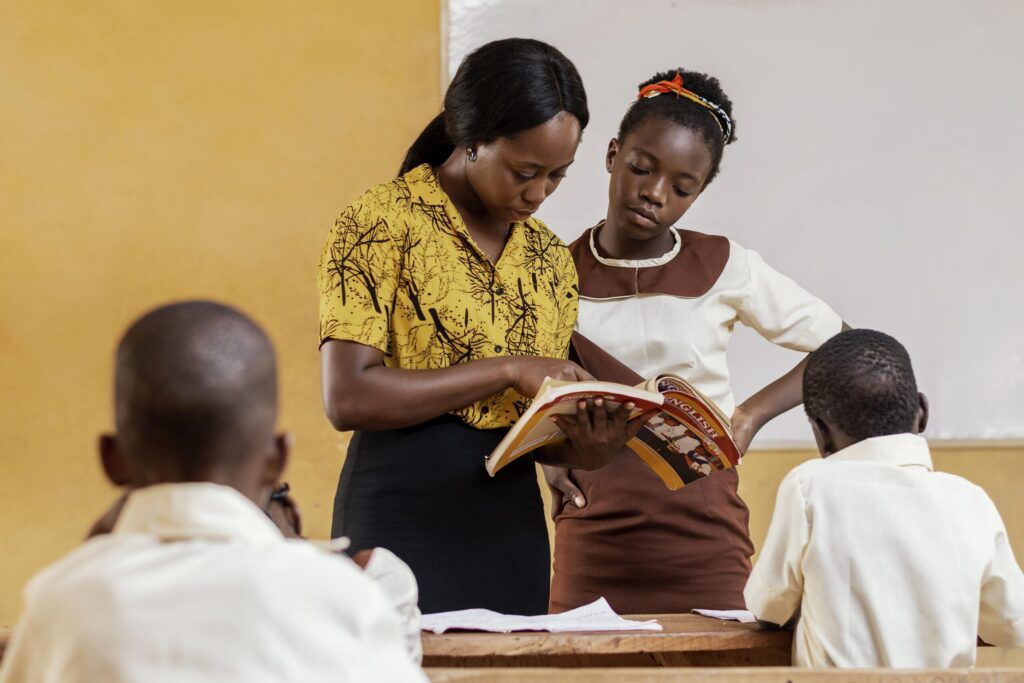
Yet, the balance between preserving traditional academic subjects and introducing new, practical competencies has been a topic of debate. Some educators feel that while the introduction of real-world skills is essential, academic rigour must not be compromised.
“It is possible to prepare our young people for future careers and still give them a solid foundation in academic knowledge,” said a senior academic in Port Harcourt. “The key is ensuring that both facets are well integrated and that teachers are guided through the process.”
What’s Next for Nigerian Schools
As the implementation phase continues, education policy watchers and stakeholders stress that this moment represents a pivotal opportunity for systemic improvement. Many view the tension and debate not as resistance to change but as a natural part of a transformative process that will require adjustments, dialogue, and sustained commitment.
Experts emphasise that government, school leaders, educators, parents, and students must work collaboratively to refine the implementation process. Areas that require immediate attention include teacher development, provision of learning resources, and alignment of national examinations with the curriculum’s objectives.
Without this cooperative effort, the risk is that the lofty goals of the revised curriculum will remain theoretical rather than operational. The work ahead, therefore, involves not just rolling out a new set of subject standards, but reshaping teaching and learning practices in ways that can genuinely benefit Nigeria’s young learners.
The education sector stands at a crossroads where open communication, practical planning, and strategic investment will determine whether this curriculum reform becomes a milestone in Nigeria’s development or a source of frustration and unmet expectations.
Conclusion
The introduction of Nigeria’s revised secondary school curriculum is a bold step inspired by the need to modernise the country’s education system. Yet the process of implementation has revealed significant tension rooted in concerns over training, resources, and readiness. As the nation grapples with these challenges, the success of the reform will depend on inclusive dialogue, targeted support for teachers and students, and measured action that places quality learning at the heart of national development.
Ongoing engagement and transparent planning remain essential if the curriculum’s promise is to be realised for millions of Nigerian learners.
Join Our Social Media Channels:
WhatsApp: NaijaEyes
Facebook: NaijaEyes
Twitter: NaijaEyes
Instagram: NaijaEyes
TikTok: NaijaEyes
READ THE LATEST EDUCATION NEWS