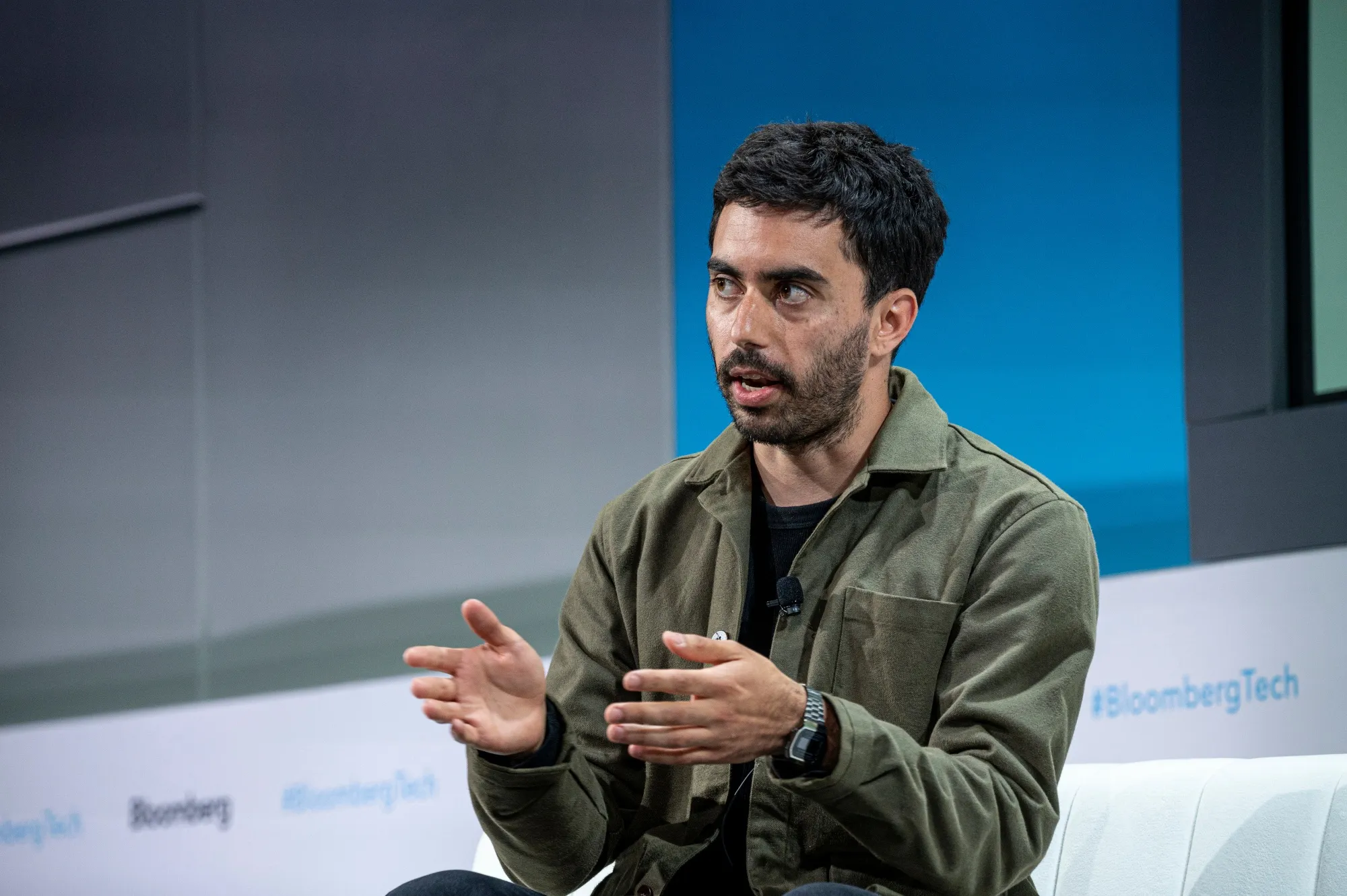

In a significant leap for artificial intelligence innovation, Runway, a New York-based AI video and simulation company, has closed a $315 million Series E funding round that pushes its valuation to about $5.3 billion. The financing marks a major milestone for the startup and highlights growing investor confidence in AI technologies that go beyond simple text or image creation to deeper simulation and prediction capabilities.
The latest raise was spearheaded by General Atlantic and saw participation from industry heavyweights, including Nvidia, Adobe Ventures, AMD Ventures, Fidelity Management & Research, AllianceBernstein, Mirae Asset, Emphatic Capital, Felicis, and Premji Invest. Together, these investors are backing Runway’s vision to scale what it calls “world models”, a new class of artificial intelligence with the ability to simulate environments and plan for future outcomes.
For Nigeria and other technology markets watching the rapid evolution of AI, this funding round underlines how much value global markets are placing on tools that promise to reshape fields from creative production to science and engineering.
A Bold Move Beyond Video Creation
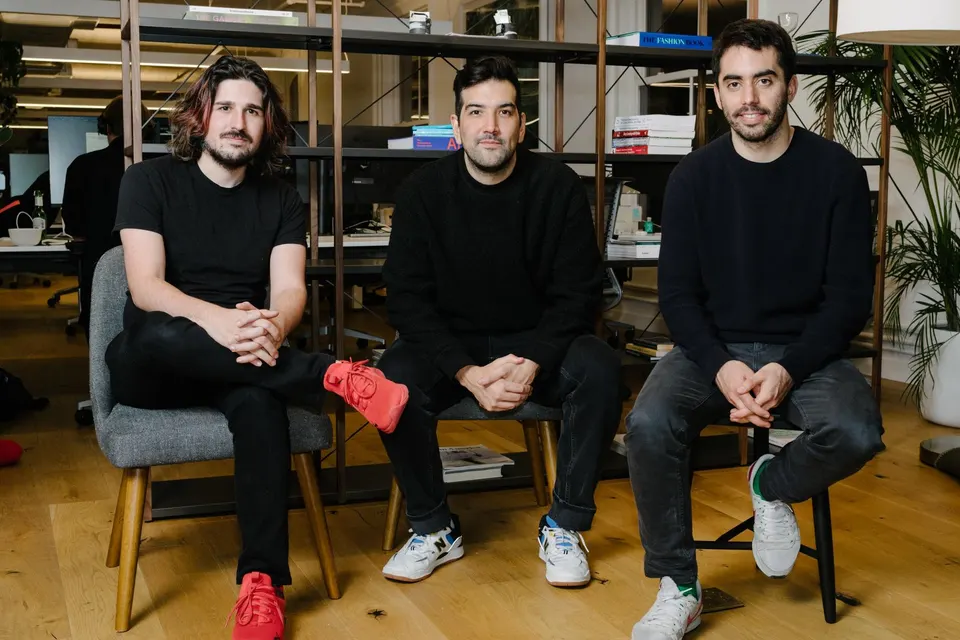
Since its founding in 2018, Runway has carved a reputation by developing advanced tools that help users generate and edit images and videos using AI. Its products quickly gained traction among creators, media professionals, and advertisers because they made complex video generation tasks easier and more accessible.
But the company’s ambitions now stretch far wider than entertainment and digital content. With the fresh capital, Runway plans to prioritise the development of “world models”. These are AI systems designed to understand how environments work by building internal simulations that can reason about physical laws, context, timing, and future events.
This capability represents a leap from traditional text-based tools like large language models. Whereas those tools predict words or images based on patterns, world models attempt to grasp how things move, interact, and change over time. In practice, this could unlock powerful new applications in robotics, autonomous vehicles, medicine, climate modelling, and energy systems.
The idea behind world models is simple but ambitious: if AI can build its own internal understanding of the world, then it can plan, adapt, and make decisions in ways that go beyond current generative tools. That quality positions Runway at the frontier of the next generation of AI innovation.
The Role of Gen 4.5 and Deep Tech Partnerships
The funding comes on the back of a string of major product updates from the company, most notably its Gen 4.5 video-generation system. This model allows users to produce high-definition videos from simple text prompts, including features like built-in audio, multi-shot scene generation, consistent character portrayal, and robust editing capabilities. Industry benchmarks suggest that Runway’s model competes strongly with similar offerings from global tech giants.
Alongside software advancements, Runway has also been strengthening its computing infrastructure. Training world models demands enormous computational power, and partnerships with firms such as CoreWeave have helped the company secure additional capacity to support large-scale experiments and product development.
Investors backing Runway clearly see the potential in this blended approach to research and product development. Participation from Nvidia and AMD Ventures signals confidence in the company’s ability to navigate both software and hardware challenges in the fiercely competitive AI landscape.
Runway currently employs around 140 people, with plans to expand aggressively. The new funds will allow hiring across research, engineering, and go-to-market teams, making it possible to grow both its core technology and its business footprint.
From Creative Tools to Industry Transformation
One of the most striking aspects of Runway’s strategy is its intention to move beyond the creative and media sectors into deeper industrial use cases. The company already counts customers in entertainment, advertising, and content production, and it hopes to extend its reach into gaming, healthcare, robotics, climate research, and energy optimisation.
Part of this expansion will depend on showcasing how world models can deliver real-world impact. In medicine, for example, AI could simulate how biological systems respond to treatment plans. In robotics, virtual environments could allow machines to learn tasks safely before being deployed in physical settings. And in climate science, simulations might help researchers forecast environmental changes at unprecedented scales and speeds.
Rivals in the world model space include research groups like Fei-Fei Li’s World Labs and established players such as Google DeepMind, both of which have made strides in open-sourcing foundational models. The competition shows that Runway’s chosen path is viewed as critical to the future of AI, and the funding reflects a broader shift among venture capitalists and technology leaders toward supporting foundational AI infrastructure rather than narrow applications.
For tech ecosystems in Africa and beyond, Runway’s journey provides insight into where the frontier of AI research is heading. Local startups, developers, and innovators observing these trends can begin to think about how simulation-driven platforms might be applied to challenges closer to home, such as agricultural forecasting, urban planning, health diagnostics, and environmental monitoring.
What This Means for the Future of AI
Runway’s successful Series E funding round is more than just a headline about big capital and high valuation. It signals a broader evolution in how AI is being built and valued around the world. Investors are placing bets on technologies that aim to understand, not just generate.
Building AI that can simulate environments and plan across time could redefine a host of industries. It would open new opportunities for automation, prediction, and decision-making at levels not possible with current-generation tools alone. It also raises important questions about how such powerful systems should be governed, used ethically, and integrated responsibly into human workflows.
For now, Runway’s focus remains on strengthening its research capabilities and expanding its product portfolio. The company’s leaders believe that world models hold the key to unlocking AI’s next chapter, and the confidence shown by investors suggests the market is ready to follow that vision.
As the startup embarks on this new phase of growth, it will be watched by technologists, investors, and innovators across the globe. In Nigeria, where tech ecosystems are rapidly evolving, the developments at Runway offer a useful case study in scaling AI from creative applications to foundational infrastructure that could shape the future of how machines learn, reason, and interact with the world around them.
Join Our Social Media Channels:
WhatsApp: NaijaEyes
Facebook: NaijaEyes
Twitter: NaijaEyes
Instagram: NaijaEyes
TikTok: NaijaEyes

, the fund will provide credit-risk protection to participating financial institutions, helping them lend to businesses that might otherwise struggle to meet conventional lending requirements. The model is designed to support up to $1 billion in outstanding credit capacity. The initiative will bring together lenders, business-support organisations, investors and other financing partners to create a structured route for eligible businesses to obtain commercial loans. Unlike a conventional loan programme that directly disburses money to applicants, the fund will share part of the lending risk with participating financial institutions. Banks will still assess applications, approve loans and manage repayments. ## How the $200 Million SME Fund Will Work The financing initiative targets businesses that have moved beyond the early stages of development and are ready to borrow to support further growth but face difficulties securing adequate credit. Under the proposed arrangement, eligible businesses can initially access loans in local currency equivalent to $250,000, subject to approval by participating lenders. The initiative aims to make loans of up to $1 million available when fully funded. The fund will work with venture capital firms, business accelerators and other SME ecosystem partners to identify and recommend potential borrowers. These organisations can help demonstrate a business's track record and readiness for debt financing. The fund will then apply its eligibility criteria, guarantee requirements and portfolio-risk assessments. Its assessment process will also use artificial intelligence-powered underwriting and due diligence. Participating financial institutions will retain responsibility for independently evaluating borrowers, deciding whether to approve applications, disbursing funds and monitoring repayments. According to [BusinessDay](https://businessday.ng/technology/article/cascador-sterling-target-sme-collateral-barriers-with-200m-credit-backstop/), the model is intended to reduce the collateral and guarantee burden on businesses with proven commercial traction. Cascador chief executive officer Trish Thomas said Nigerian entrepreneurs often struggle because the capital available to them does not match their business needs or stage of development. She explained that sharing risk with lenders could help more established businesses obtain the financing needed to scale and generate employment. Sterling Bank Group Executive Obinna Ukachukwu said the partnership combines additional credit protection with referrals from venture funds and studios familiar with the businesses they support. This approach, he noted, could give lenders greater confidence to offer larger loans with longer repayment periods. ## Why the Initiative Matters to Nigerian SMEs Access to affordable and appropriate financing remains a significant obstacle for businesses seeking to expand in Nigeria. Many enterprises require capital to purchase equipment, improve production, enter new markets and recruit workers, but conventional lending conditions can make borrowing difficult. Cascador's white paper, *The Multiplier Model*, highlights the wider challenge. According to the organisation, only 22 per cent of businesses in Sub-Saharan Africa have a bank loan or line of credit, compared with a global average of 36 per cent. The new fund seeks to bridge this gap by encouraging commercial lenders to finance businesses that have demonstrated demand for their products or services but cannot easily secure suitable debt. For entrepreneurs, the potential benefits include access to larger loans, longer financing periods and reduced pressure to provide extensive collateral or guarantees. However, the arrangement does not guarantee approval, and businesses will still need to satisfy the relevant eligibility requirements and lender assessments. The fund is also expected to attract contributions from philanthropic organisations, impact investors and development finance institutions to support its risk-sharing structure. ## Back Story: Sterling Bank and Cascador Expand an Existing Partnership The announcement builds on an earlier financing partnership between Sterling Bank and Cascador. In May 2025, the organisations introduced a $2 million Catalytic Fund to provide growth financing to businesses emerging from Cascador's entrepreneur development programme. As reported by [PUNCH Newspapers](https://punchng.com/cascador-sterling-bank-unveil-2m-fund-for-nigerian-smes/), the earlier initiative combined debt financing with business support, flexible repayment arrangements and reduced collateral requirements. The new $200 million fund represents a broader approach, designed to bring additional ecosystem partners into the financing process rather than rely solely on businesses connected to Cascador. Cascador said it had supported 80 ventures since 2019, with those businesses collectively raising more than $150 million in capital. For Nigeria's SME sector, the success of the expanded initiative will depend on how effectively it mobilises funding, attracts participating lenders and makes financing accessible to qualified businesses. If implemented successfully, the model could help more Nigerian enterprises secure the capital needed to grow, strengthen local industries and create sustainable employment.](https://naijaeyesblog.com/wp-content/uploads/2026/10/Sterling-Cascador-768x432.avif)