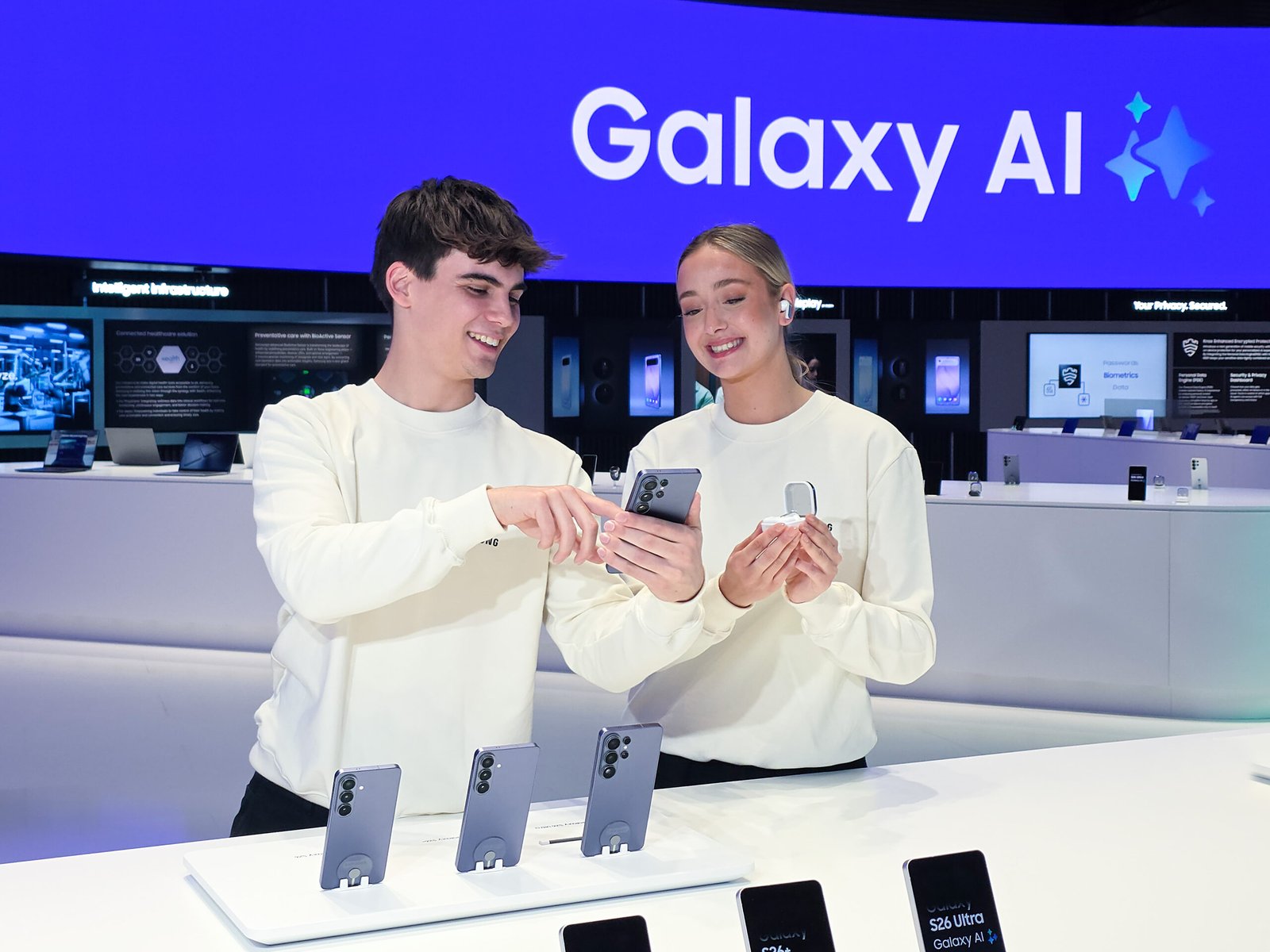
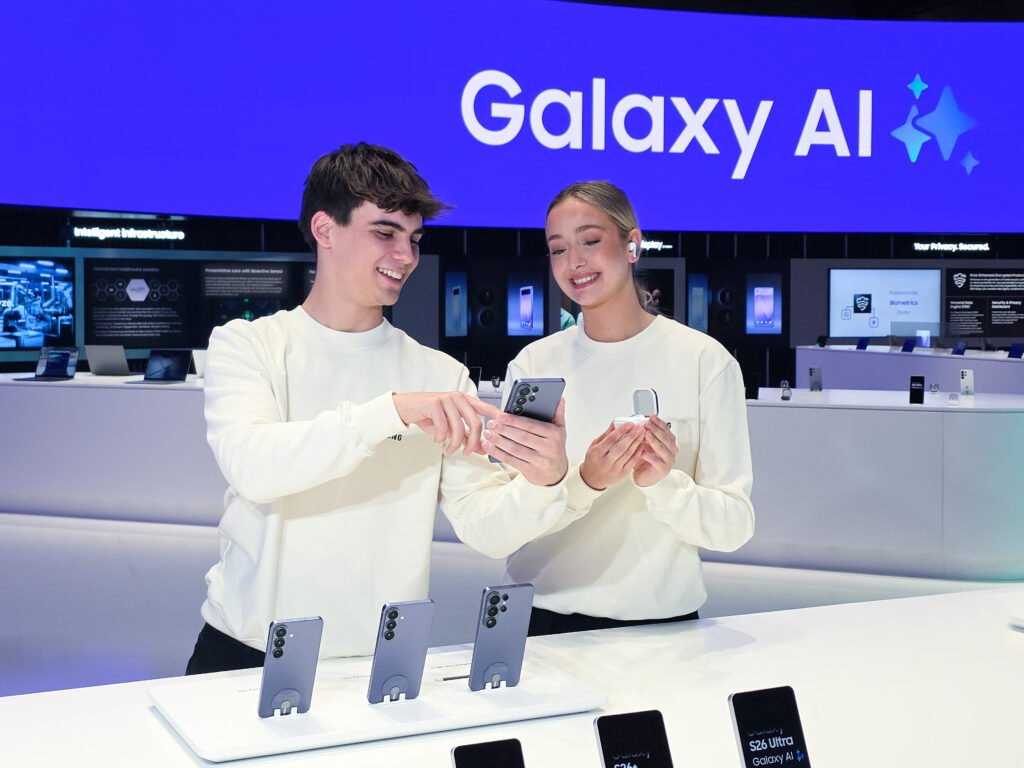
Samsung Electronics made a bold statement at the Mobile World Congress (MWC) 2026, unveiling significant progress for its Galaxy AI ecosystem and showing how deep its connected product experiences have become. From powerful new smartphones to intelligence that spans devices and services, the global tech brand painted a vivid picture of how artificial intelligence will shape the future of mobile technology and everyday life in 2026 and beyond, according to Samsung Global.
This year’s event in Barcelona, Spain, was more than a product showcase. It was an opportunity to see how Samsung envisions an AI-powered world where devices work seamlessly together to help users solve problems faster, live more conveniently, and stay connected in ways that were once considered futuristic. The focal point of this vision is the Galaxy S26 series, Panasonic’s latest flagship lineup designed not just as phones but as intelligent companions that anticipate needs and simplify tasks.
Samsung’s presence at MWC 2026 highlighted its commitment to building an ecosystem that goes beyond smartphones and wearables. The company is steering into AI-powered manufacturing and connectivity solutions that promise to redefine not only consumer experiences but also industrial operations and healthcare interactions.
Table of Contents
A New Era for Galaxy Phones and AI‑Powered Devices
At the heart of Samsung’s MWC stand was the Galaxy S26 series, described by company executives as the most advanced Galaxy AI phones yet. These devices are built to be more than tools for communication or entertainment. They are designed to use intelligence in ways that feel intuitive, proactive and supportive of everyday tasks.
The Galaxy S26 phones run with what Samsung calls agentic AI, meaning the software can act more independently to help users complete tasks with fewer steps. For example, instead of simply answering a voice command, the phone can understand your intent, anticipate needs and present suggestions or reminders without being asked directly.
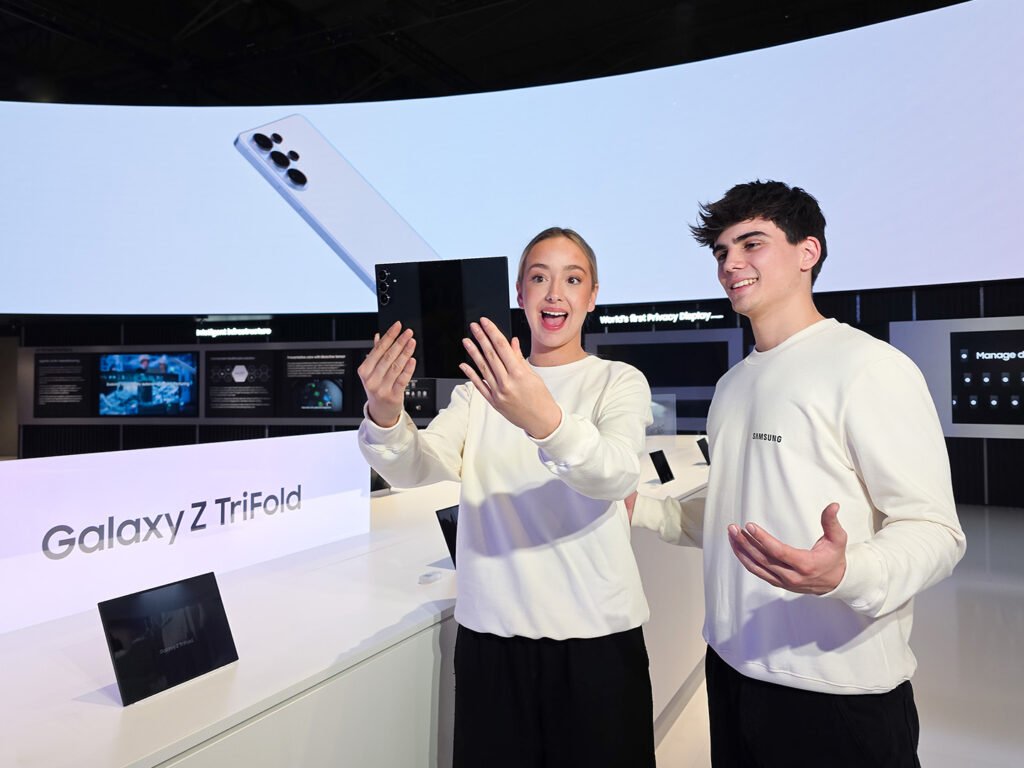
One of the headline features is a built‑in privacy display that helps protect personal information from prying eyes in public spaces. This feature, Samsung says, gives users direct control over what they share and who can see it, all without diminishing screen clarity for everyday use.
Behind the scenes, the Galaxy S26 series packs powerful hardware to support these new intelligence capabilities. The Ultra model, in particular, is equipped with Samsung’s custom‑tuned Snapdragon 8 Elite Gen 5 processor and an enhanced cooling system for stable performance during demanding tasks. Camera improvements also feature prominently, with wider apertures and advanced imaging systems for better low‑light capture and sharper detail.
Samsung also demonstrated new software experiences on the Galaxy S26 lineup. Tools like Now Nudge and Now Brief are designed to bring contextually relevant suggestions to users. Whether it’s reminding you about an upcoming task or offering relevant images when you need them, these experiences are part of Samsung’s move toward more helpful, anticipatory intelligence.
Galaxy AI is not limited to traditional chat‑based interaction. It now includes integration with multiple AI agents that enable users to choose the experience that fits their needs. Alongside Samsung’s own Bixby agent, support for Google’s Gemini assistant and the Perplexity AI assistant offers greater variety and choice. These agents can collectively organise information, manage schedules and recommend actions, all through natural language interaction.
Expanding the Galaxy AI Ecosystem Across Devices
One of the key messages at MWC 2026 was that Samsung’s AI vision does not live solely on smartphones. Instead, it runs throughout a broader ecosystem of connected products. The company showcased how AI enhances experiences on devices ranging from earbuds to tablets and laptops.
For example, the Galaxy Buds4 series offers smart sound experiences where Galaxy AI works together with audio hardware to personalise listening and interaction. This could include intelligent notifications delivered through the earbuds or context‑aware audio adjustments.
Samsung also demonstrated how Galaxy AI integrates with Galaxy Book6 Pro and Galaxy Book6 Ultra laptops. These devices use AI to streamline productivity workflows, optimise system performance and provide users with tools for multitasking that adapt dynamically to what they are doing.
Large tablet screens like the Galaxy Tab S11 were also given a starring role, showing how AI can transform the way users multitask, edit content and interact with creative applications. On these larger displays, Samsung says its AI tools are optimised for efficiency and engaging user experiences.
Meanwhile, the Galaxy Watch8 series was shown offering more personalised health insights. Samsung emphasised how AI could support better wellness tracking through intelligent analysis of activity, sleep and mindfulness patterns — all viewed through the lens of personal context and daily routines.
By tying these products together under the Galaxy AI umbrella, Samsung is positioning its ecosystem as one where experiences are consistent, user preferences are understood, and workflows flow naturally from one device to another. This degree of connectivity is a key differentiator that Samsung highlighted at the event.
Beyond Devices: AI in Infrastructure, Healthcare and Connectivity
While the consumer products take most of the spotlight, Samsung also used MWC 2026 to reveal how its AI strategy reaches beyond individual devices. The company introduced developments in AI‑driven manufacturing, showing how agent‑based intelligence can optimise production processes in real time and support autonomous operations by 2030.
Through its AI‑Driven Factories initiative, Samsung plans to convert its global manufacturing operations to use intelligent agents that oversee quality control, production workflows and efficiency improvements. This move could transform traditional factory environments by bringing analytics, decision‑making and automation into one cohesive framework powered by artificial intelligence.
Connected health solutions were also part of Samsung’s broader AI narrative. With the acquisition of digital health platform Xealth in 2025, Samsung is integrating more advanced health data tools into its ecosystem. The result is a continuous and proactive health management approach that blends personal wellness metrics with clinical data streams, enabling better care coordination and insights for users and healthcare professionals alike.
Connectivity innovations also featured at the event. Samsung showcased advancements in network technology that use AI to improve efficiency, boost performance and create smarter communication layers. These tools target operators and enterprise clients who are building next‑generation infrastructure that must support heavy computing demands and real‑time responsiveness.
Samsung explained that by embedding intelligence in network operations, companies can reduce complexity, accelerate deployment of new services and create more resilient systems that adapt to usage patterns and potential issues without human intervention. These capabilities are expected to be critical as global connectivity needs continue to grow.
The Road Ahead for Samsung and Mobile AI
Samsung’s announcements at the Mobile World Congress 2026 reflect a broader industry shift toward artificial intelligence as a core driver of innovation rather than a set of add‑on features. The company’s strategy involves both deepening the role of AI in consumer experiences and using agentic AI to transform processes across multiple domains.
Users and industry watchers alike will be paying attention to how these technologies perform in real‑world scenarios. Samsung’s move toward a multi‑agent system, where users can choose different AI helpers suited to particular tasks, could influence how people interact with smart devices and personalise their digital experiences.
As Samsung pushes forward, it also faces the challenge of proving that these advancements are not just impressive on stage but genuinely useful in daily life. Features like proactive suggestions, image‑based search and intelligent context awareness must become natural parts of the user journey rather than optional add‑ons. That remains a core test for all AI innovations in 2026.
For Nigerians and global audiences alike, Samsung’s push into AI signals a future where technology becomes more responsive, connected and capable of helping us manage complex tasks quickly. Whether it is in phones, watches, laptops or even connected health services, the Galaxy ecosystem is positioning itself as a hub where artificial intelligence works quietly in the background to make life easier and more intuitive.
Samsung’s Galaxy AI ecosystem at MWC 2026 has set a clear tone: the future of smart devices is not just about powerful hardware or sleek design. It is about creating an intelligent web of experiences that makes technology feel personal, helpful and indispensable in the everyday lives of users.
Join Our Social Media Channels:
WhatsApp: NaijaEyes
Facebook: NaijaEyes
Twitter: NaijaEyes
Instagram: NaijaEyes
TikTok: NaijaEyes