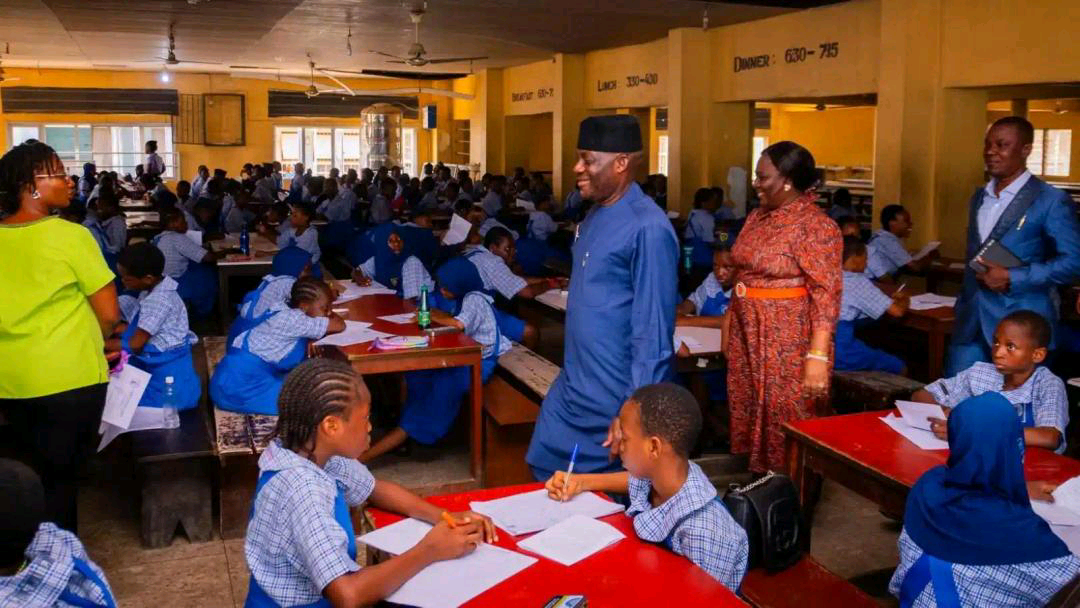
In a development that has rekindled national concern about school safety, a respected security analyst has sounded a warning to the Federal Government about the recent decision to reopen the country’s Unity Schools without firm security arrangements in place. According to the expert, returning students to campuses across Nigeria without robust protective systems in place exposes children and staff to continued danger.
The Unity Schools, also called Federal Government Colleges, are central to Nigeria’s educational landscape. These institutions have been thrust into the spotlight after they were closed down following a spate of brutal kidnappings and violence in several states. The government announced that all 47 affected Unity Schools have now resumed operations, following what officials describe as a reinforcement of security around their premises. The Ministry of Education maintains that students have returned safely and that the state remains committed to their protection. However, the warning from the security specialist paints a more cautious picture of the current status of school safety.
Threats That Forced Closures Still Loom
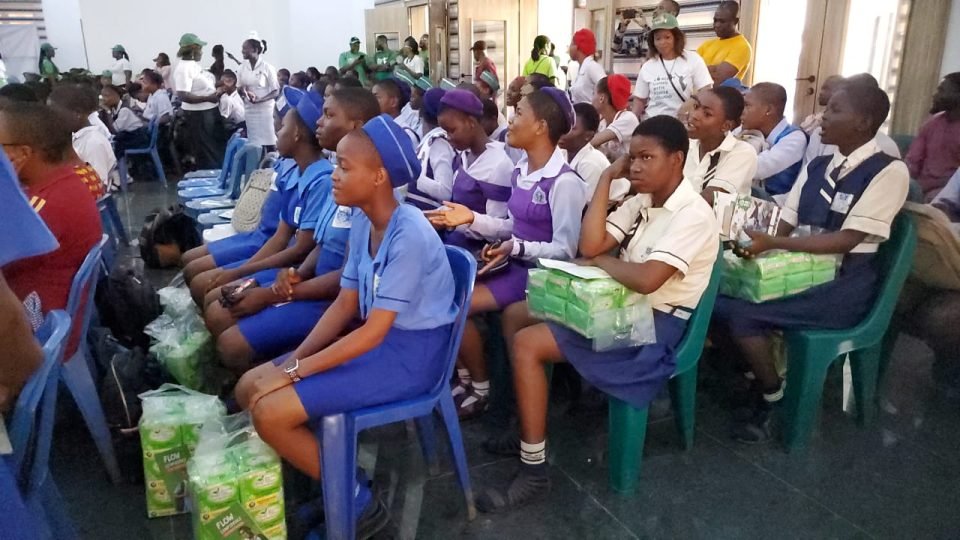
The background to the recent reopening is rooted in a series of unsettling security breaches. In mid-November, mass abductions and armed attacks on schools in Kebbi and Niger states triggered widespread alarm. More than 20 schoolgirls were kidnapped from a girls’ boarding school in Kebbi, and days later, around 300 students and teachers were seized from an institution in Niger State. In response, the Federal Government ordered the immediate closure of 47 Unity Schools to prevent further threats.
The security analyst, identified as Amb. Capt. Abdullahi Bakoji Adamu (rtd) acknowledged that reopening schools is crucial to sustaining education and advancing national development. He described education as a fundamental right that must be upheld. However, he cautioned that returning pupils to a learning environment where the root causes of violence remain unaddressed could result in severe consequences.
Adamu’s concerns resonate with many parents and observers who question whether current safety measures are sufficient. He stressed that security is more than just physical presence or occasional patrols. It requires a comprehensive and proactive approach that anticipates dangers and neutralises them before they escalate.
What Real Security Preparedness Should Look Like
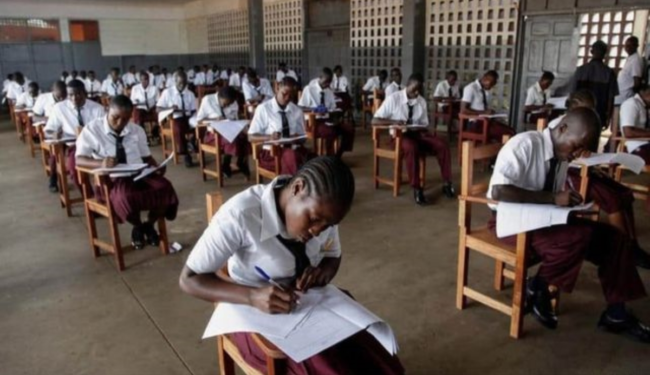
According to sources close to the expert’s commentary, Adamu emphasised a range of actions the government must take to genuinely protect students at Unity Schools. These include permanent and well-equipped security deployments within campuses, intelligent surveillance systems, clear access control points, and quick-response teams that can act swiftly in emergencies.
Critically, he highlighted the need for effective intelligence-sharing between national agencies such as the military, police, and Department of State Services, as well as local community networks. The official view is that without a seamless flow of information and early warning systems involving host communities, even well-armed forces might struggle to prevent attacks.
Beyond equipment and manpower, the retired captain called for what he described as a cultural shift in security operations. This entails a deeper engagement with local leaders and residents who can provide real-time insights and support that formal security forces might miss. Without this, he argued, security remains reactive rather than preventive.
Adamu also pointed to the distressing reality that the factors which prompted the initial school closures—kidnappings, banditry, and targeted violence—have not disappeared. They have evolved, feeding off gaps in current security structures and exploiting weaknesses in rural and semi-urban environments. He suggested that reopening without addressing these threats directly would undermine both public confidence and the government’s stated commitment to student welfare.
Parental Anxiety and National Confidence at Stake
Reactions from parents and community members reflect a mix of relief and fear. Many families are glad to see children resume their academic schedules, especially as examinations and end-of-term activities approach. The ministry’s statement reassuring the public that students are safe has provided comfort to some.
However, for many, the lack of visible security enhancements beyond reinforced posts and announcements remains troubling. Stories from communities near affected schools have circulated on social media, depicting anxiety over past failures in protection and scepticism about the durability of current measures. These sentiments highlight a deeper challenge: restoring trust in an educational system that has been repeatedly shaken by insecurity.
The reopened Unity Schools programme is being framed by the government as a triumph of coordination between education and security agencies. Officials insist that precautionary measures are now in place and that the right structures exist to support learning in a peaceful environment. They also express gratitude to parents, guardians, and students for their cooperation during the transition back to school.
Yet the voice of the security expert serves as a reminder that official assurances, while welcome, must be matched by demonstrable on-the-ground safety. His message is clear: optimism cannot replace preparedness, and commitment must be proven through robust action.
Towards Sustainable Safety for Students
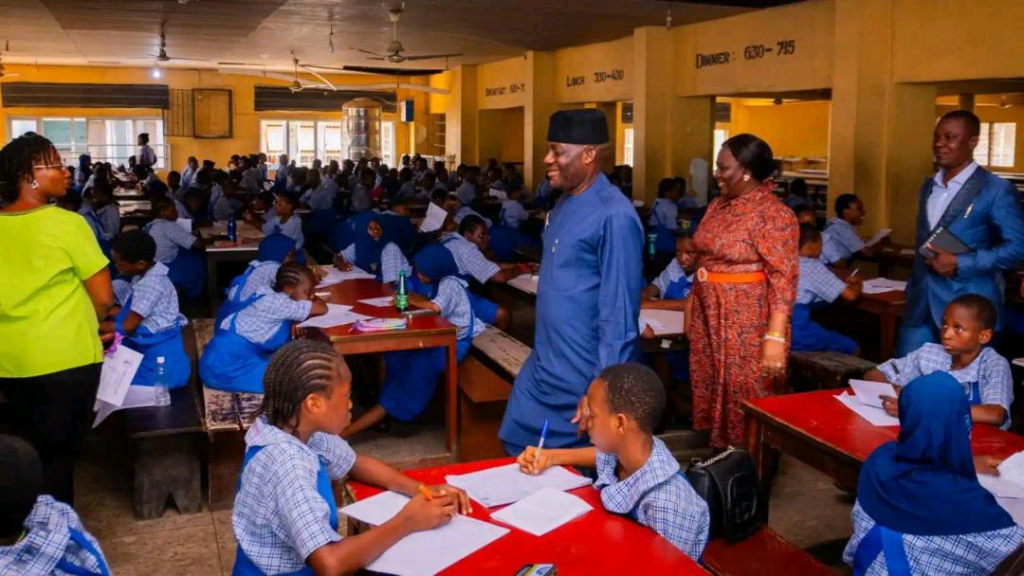
As Nigeria navigates this complex chapter in its education sector, the debate over school safety is likely to intensify. Security experts, parents, and education advocates agree on one foundational point: children deserve a secure environment that allows them to learn without fear.
For that vision to materialise, the nation must balance its efforts between reopening schools and ensuring those schools are truly protected. This means long-term planning, investment in technology and infrastructure, community partnership, and strategic deployment of security assets.
The decision to return to school is about far more than academic calendars. It touches on the collective aspiration of Nigerians to see their youth thrive in safe, encouraging spaces that nurture talent and build futures. As the Unity Schools stand open once again, the eyes of the nation will be on how effectively security commitments translate into real protection for every student walking through their gates.
Join Our Social Media Channels:
WhatsApp: NaijaEyes
Facebook: NaijaEyes
Twitter: NaijaEyes
Instagram: NaijaEyes
TikTok: NaijaEyes
READ THE LATEST EDUCATION NEWS