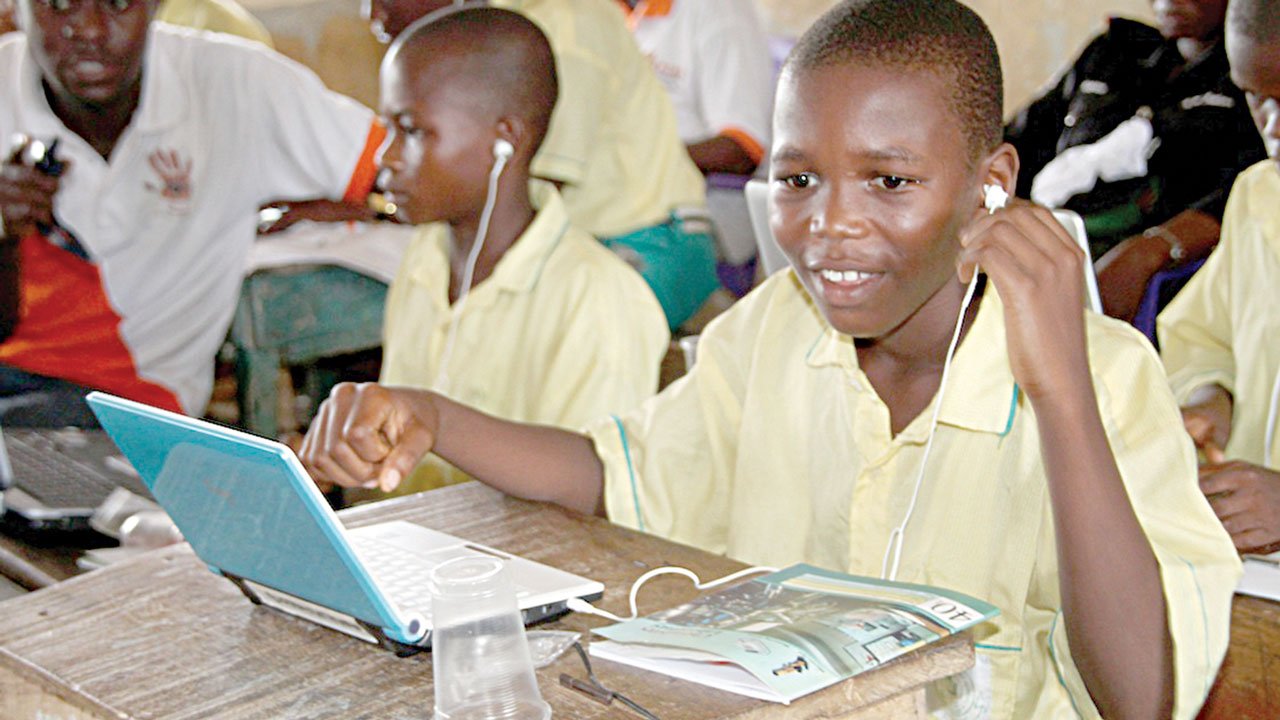
Nigeria’s education sector is undergoing a quiet but significant transformation as schools, policymakers, and institutions experiment with new strategies to improve learning outcomes, discipline and employability. From technology-driven classrooms in Abuja to controversial smartphone bans on campuses, recent developments captured by the News Agency of Nigeria reveal a system in transition, balancing innovation with structure.
Across the country, stakeholders are responding to long-standing concerns about declining academic performance, poor infrastructure and widening skills gaps. At the same time, new partnerships and policy directions are emerging, aimed at preparing students for a more competitive global environment.
Technology-Driven Learning Gains Momentum in Abuja
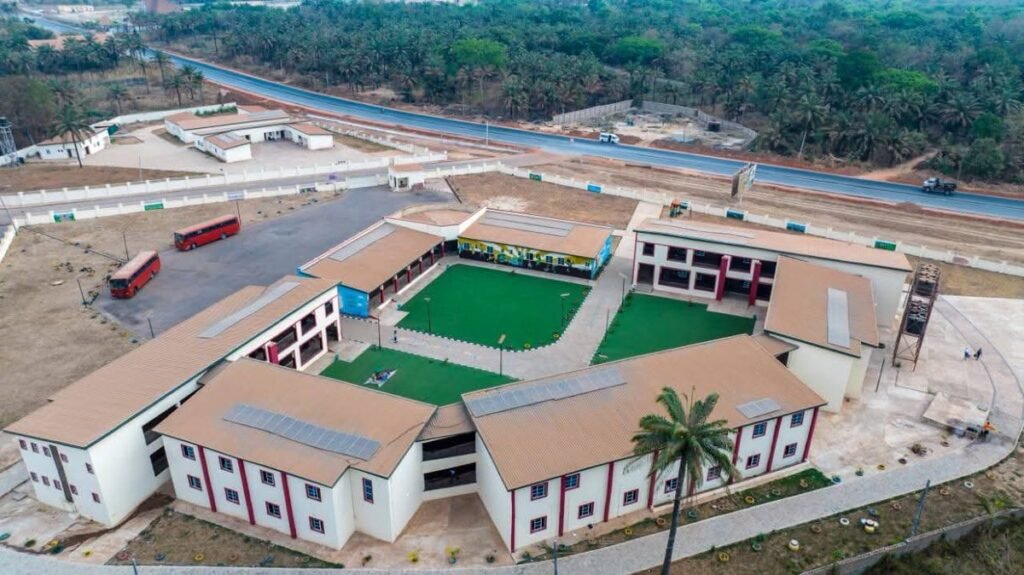
In the Federal Capital Territory, a model smart school in Karshi is setting a new standard for how technology can reshape classroom learning. According to the FCT Universal Basic Education Board, the school is leveraging digital tools and modern teaching methods to improve both engagement and academic performance among pupils.
Officials say the initiative is not just about introducing gadgets into classrooms but about rethinking how teaching happens. Lessons are designed to be interactive, student-centred and data-driven, allowing teachers to track progress more effectively and tailor instruction to individual needs.
This shift reflects a broader recognition that traditional teaching methods may no longer be sufficient in a digital age. With global education systems increasingly integrating technology, Nigeria’s adoption of smart schools signals a willingness to close the gap.
Education experts believe that if scaled properly, such models could significantly improve foundational learning across public schools. However, they also warn that success will depend on sustained funding, teacher training and infrastructure support, particularly in rural areas where access to electricity and internet connectivity remains inconsistent.
Universities Tighten Discipline with Smartphone Restrictions
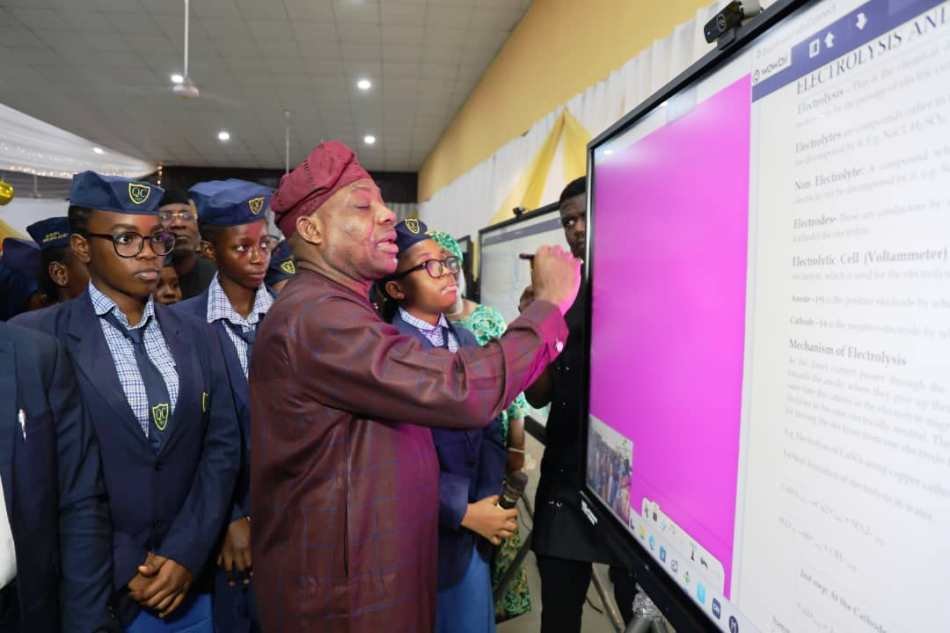
While some institutions are embracing technology, others are taking a more cautious approach. A university recently introduced a ban on smartphone usage on campus, citing concerns about declining academic focus among students.
The Vice Chancellor explained that the decision was driven by the growing distraction caused by social media and non-academic use of mobile devices during lectures and study hours. According to the institution, the policy is already yielding positive results, with students reportedly showing improved concentration and participation.
This development has sparked debate within the education community. Supporters argue that reducing digital distractions is necessary to restore discipline and academic rigour. Critics, however, contend that outright bans may be counterproductive in a world where digital literacy is essential.
The reality likely lies somewhere in between. While smartphones can be a source of distraction, they are also powerful learning tools when used appropriately. The challenge for institutions is to strike a balance between control and integration, ensuring that technology enhances rather than undermines education.
Skills Development Takes Centre Stage Through Partnerships
Beyond classroom reforms, there is a growing emphasis on practical skills and entrepreneurship. A notable example is the partnership between Nasarawa State University and a vocational institute to train 500 furniture artisans.
The collaboration aims to equip students with hands-on skills that can translate into employment and business opportunities. At a time when graduate unemployment remains a major concern, such initiatives highlight the importance of aligning education with market realities.
Experts have long argued that Nigeria’s education system places too much emphasis on theory at the expense of practical competence. By integrating vocational training into university programmes, institutions are beginning to address this imbalance.
This approach also reflects a broader shift towards skills-based education, where the focus is not just on obtaining degrees but on acquiring capabilities that are relevant in today’s economy. If sustained, it could help reduce the mismatch between graduates’ qualifications and labour market demands.
Persistent Challenges Demand Urgent Attention
Despite these encouraging developments, significant challenges remain. Many Nigerian students continue to face financial difficulties, with some struggling to pay school fees and meet basic needs.
Stakeholders have repeatedly called for comprehensive reforms to address systemic issues such as underfunding, inadequate infrastructure and policy inconsistencies. There is also concern about the high number of out-of-school children, which continues to threaten the country’s long-term development.
Reports indicate that economic hardship and multiple school levies are among the factors pushing children out of classrooms, creating a cycle that undermines national progress.
In addition, security concerns such as school kidnappings in some regions have further complicated access to education, highlighting the need for coordinated efforts between government, communities and security agencies.
Education advocates insist that reforms must go beyond policy announcements to practical implementation. They emphasise that meaningful change will require political will, adequate funding and sustained collaboration across all levels of government.
A System in Transition with Hope on the Horizon
Taken together, these developments paint a picture of an education system at a crossroads. On one hand, there is clear progress in areas such as technology adoption, skills development and institutional reform. On the other hand, deep-rooted challenges continue to limit access and quality.
What is evident, however, is a growing awareness of the need for change. From smart schools in Abuja to vocational training partnerships in Nasarawa, there are signs that stakeholders are beginning to rethink how education should work in Nigeria.
The path forward will require balancing innovation with inclusivity, ensuring that no student is left behind as the system evolves. If current efforts are sustained and scaled, Nigeria has an opportunity to build an education system that not only meets local needs but also competes globally.
For now, the focus remains on turning promising initiatives into lasting impact, one classroom, one policy and one student at a time.
Join Our Social Media Channels:
WhatsApp: NaijaEyes
Facebook: NaijaEyes
Twitter: NaijaEyes
Instagram: NaijaEyes
TikTok: NaijaEyes
READ THE LATEST EDUCATION NEWS